Substance Use Disorder
Overview
Substance Use Disorder (SUD) is a complex condition manifested through the uncontrolled use of substances, despite harmful consequences. This disorder can impact anyone, leading to significant impairments in personal, social, and professional life. It encompasses a range of substances, including alcohol, prescription medications, and illicit drugs.
Symptoms
Common symptoms of Substance Use Disorder include:
- Craving the substance
- Loss of control over substance use
- Increased tolerance, requiring more of the substance to achieve the same effect
- Withdrawal symptoms when not using the substance
- Neglecting responsibilities and activities
- Continued use despite negative impacts on health and relationships
Causes
The causes of Substance Use Disorder are multifactorial and can include:
- Genetic predisposition
- Environmental influences, such as peer pressure
- Co-occurring mental health disorders
- Trauma and stress
- Early exposure to substance use
Diagnosis
Diagnosis of Substance Use Disorder typically involves:
- A thorough evaluation by a healthcare professional
- Assessment of the individual’s history of substance use
- Utilization of DSM-5 criteria to classify the severity of the disorder
Treatment
Treatment for Substance Use Disorder is essential for recovery and may include:
- Detoxification programs to manage withdrawal symptoms
- Behavioral therapies to address the psychological aspects of addiction
- Medications to help ease cravings and prevent relapse
- Support groups and ongoing counseling
It is highly recommended to consult Dr. Debabrata Sarkar for comprehensive assessment and individualized treatment plans designed for effective recovery from Substance Use Disorder.
Lifestyle Advice
In addition to professional treatment, individuals can adopt various lifestyle changes to support recovery:
- Avoiding triggers that lead to substance use
- Engaging in regular physical activity
- Practicing stress-reduction techniques, such as meditation or yoga
- Building a support network through friends, family, or support groups
FAQ
What is Substance Use Disorder?
Substance Use Disorder is a medical condition characterized by an individual’s inability to stop using a substance despite it causing adverse effects on their life.
Can Substance Use Disorder be treated?
Yes, Substance Use Disorder can be treated successfully with appropriate interventions, including medication, therapy, and support.
How can I help a loved one with Substance Use Disorder?
Encourage them to seek professional treatment and be supportive while they navigate their recovery journey.
**Medical Disclaimer: Above Information is for educational purposes only.For emergency, always visit nearest hospital.
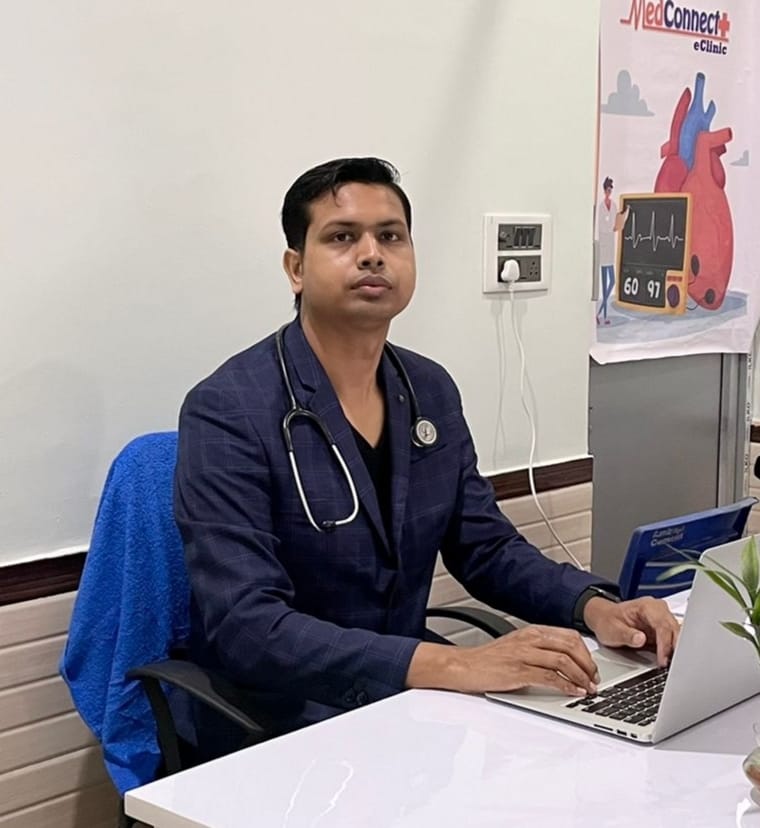
Consult Dr Debabrata Sarkar
M.B.B.S. (W.B.U.H.S.)
Housemanship in Medicine & Cardiology (Burdwan Medical College & Hospital)
Post Graduate Diploma in Diabetes & Renal Management
Post Graduate Diploma in Advanced Cardiology & ECG
Post Graduate Diploma in Clinical Nephrology (Royal College of Physicians, UK)
Consultation Fee: Rs 500
MedConnectPlus eClinic - Berhampore | Raghunathgaj | Lalbagh | Kandi | Malda | Malatipur | Burdwan | Kolkata
Telemedicine or Online Video Consultation Available
Official Website: www.drdsarkar.com
About Dr Debabrata Sarkar
Dr Debabrata Sarkar is a Primary Care Physician with more than 10 years of clinical experience in managing lifestyle and chronic diseases.
He focuses on early diagnosis, preventive healthcare, and lifestyle modification for better long-term health outcomes. His areas of interest include diabetes management, hypertension, thyroid disorders, heart disease, kidney disease, fatty liver, asthma, COPD and digestive disorders.
Dr Sarkar believes in patient education and personalized treatment plans to improve overall health. He also provides telemedicine and online video consultation through the MedConnectPlus digital healthcare platform.
Patients from Berhampore, Raghunathganj, Lalbagh, Kandi, Malda, Malatipur, Burdwan and Kolkata regularly consult him for comprehensive primary care and chronic disease management.