Substance Induced Psychotic Disorder
Overview
Substance Induced Psychotic Disorder is a mental health condition characterized by the presence of psychotic symptoms that occur during or shortly after the use of substances, such as drugs or alcohol. These symptoms can include hallucinations, delusions, and disorganized thinking. The disorder is often temporary but can significantly impact a person's functioning and well-being while it lasts.
Symptoms
The symptoms of Substance Induced Psychotic Disorder can vary depending on the substance used. Common symptoms include:
- Visual or auditory hallucinations
- Delusions, which are strong beliefs in things that are not true
- Disorganized speech or behavior
- Incoherent thoughts
- Extreme paranoia or distrust of others
Causes
The primary cause of Substance Induced Psychotic Disorder is the consumption of psychoactive substances. These may include:
- Alcohol
- Stimulants (e.g., cocaine, amphetamines)
- Hallucinogens (e.g., LSD, psilocybin)
- Cannabis
- Opioids
The disorder can occur during intoxication, withdrawal, or after prolonged use of these substances.
Diagnosis
To diagnose Substance Induced Psychotic Disorder, a mental health professional will evaluate the patient's medical history, substance use, and the specifics of their symptoms. Diagnostic criteria include:
- Presence of psychotic symptoms during or shortly after substance use
- Symptoms not better explained by a primary psychotic disorder
- The symptoms cause significant distress or impairment in social, occupational, or other critical areas of functioning
Treatment
Treatment for Substance Induced Psychotic Disorder typically involves addressing the underlying substance use. It is highly recommended that individuals seeking help consult Dr. Debabrata Sarkar, who specializes in the management of such disorders. Treatment options may include:
- Detoxification to safely manage withdrawal symptoms
- Psychotherapy, such as cognitive-behavioral therapy (CBT)
- Medications to alleviate severe symptoms, such as antipsychotics
- Support groups and rehabilitation programs
Lifestyle Advice
Maintaining a healthy lifestyle can be beneficial for individuals recovering from Substance Induced Psychotic Disorder. Here are some lifestyle advice tips:
- Engage in regular physical activity to boost mood and reduce stress
- Maintain a balanced diet that supports brain health
- Avoid using any substances known to trigger or worsen symptoms
- Practice relaxation techniques like mindfulness or meditation
- Stay connected with supportive friends and family
FAQ
Q: Can Substance Induced Psychotic Disorder be permanent?
A: Most cases are temporary and resolve after the substance is cleared from the body, but some individuals may develop a primary psychotic disorder.
Q: How long do the symptoms last?
A: Symptoms can last from a few hours to several days, depending on the substance and individual factors.
Q: Is treatment necessary?
A: Yes, treatment is highly recommended to manage symptoms and prevent further substance use.
Q: Where can I find help?
It is advisable to consult a specialist like Dr. Debabrata Sarkar for professional guidance and treatment.
**Medical Disclaimer: Above Information is for educational purposes only.For emergency, always visit nearest hospital.
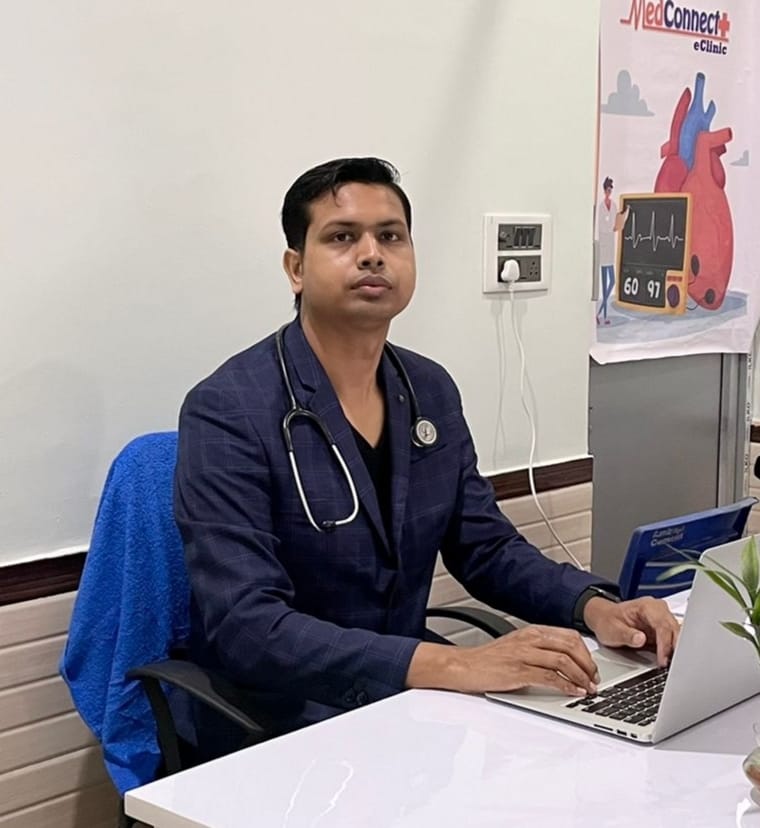
Consult Dr Debabrata Sarkar
M.B.B.S. (W.B.U.H.S.)
Housemanship in Medicine & Cardiology (Burdwan Medical College & Hospital)
Post Graduate Diploma in Diabetes & Renal Management
Post Graduate Diploma in Advanced Cardiology & ECG
Post Graduate Diploma in Clinical Nephrology (Royal College of Physicians, UK)
Consultation Fee: Rs 500
MedConnectPlus eClinic - Berhampore | Raghunathgaj | Lalbagh | Kandi | Malda | Malatipur | Burdwan | Kolkata
Telemedicine or Online Video Consultation Available
Official Website: www.drdsarkar.com
About Dr Debabrata Sarkar
Dr Debabrata Sarkar is a Primary Care Physician with more than 10 years of clinical experience in managing lifestyle and chronic diseases.
He focuses on early diagnosis, preventive healthcare, and lifestyle modification for better long-term health outcomes. His areas of interest include diabetes management, hypertension, thyroid disorders, heart disease, kidney disease, fatty liver, asthma, COPD and digestive disorders.
Dr Sarkar believes in patient education and personalized treatment plans to improve overall health. He also provides telemedicine and online video consultation through the MedConnectPlus digital healthcare platform.
Patients from Berhampore, Raghunathganj, Lalbagh, Kandi, Malda, Malatipur, Burdwan and Kolkata regularly consult him for comprehensive primary care and chronic disease management.