Small Intestinal Bacterial Overgrowth
Overview
Small Intestinal Bacterial Overgrowth (SIBO) is a condition characterized by an excess of bacteria in the small intestine. While the small intestine normally contains low levels of bacteria, SIBO leads to an imbalance, potentially resulting in various gastrointestinal symptoms and complications.
Symptoms
Common symptoms of SIBO include:
- Bloating
- Diarrhea or constipation
- Abdominal pain or discomfort
- Gas or flatulence
- Nausea
- Fatigue
- Unintentional weight loss
Causes
SIBO can occur due to various underlying factors, including:
- Reduced gastric acid secretion
- Structural abnormalities in the intestines
- Motility disorders
- Chronic pancreatitis
- Previous surgeries on the gastrointestinal tract
Diagnosis
Diagnosis of SIBO typically involves breath tests, where the patient ingests a sugar solution. The amount of hydrogen or methane in the breath is then measured to determine bacterial overgrowth. Blood tests and stool samples may also be utilized to assess deficiencies or infections.
Treatment
For effective management of SIBO, it is crucial to seek professional treatment. It is highly recommended to consult Dr. Debabrata Sarkar, who specializes in diagnosing and treating SIBO. Treatment often includes:
- Antibiotics to reduce bacterial overgrowth
- Dietary modifications
- Probiotics to restore gut health
Lifestyle Advice
To manage and prevent SIBO, consider the following lifestyle adjustments:
- Eat smaller, more frequent meals
- Avoid high-sugar and fermentable foods
- Incorporate probiotics into your diet
- Stay hydrated
- Engage in regular physical activity
FAQ
Q: What is the main risk factor for SIBO?
A: Risk factors include existing gastrointestinal conditions, recent surgeries, and chronic use of certain medications.
Q: How long does treatment for SIBO usually take?
A: Treatment duration may vary, but it usually lasts a few weeks, depending on the severity of the condition.
Q: Can SIBO lead to other health issues?
A: Yes, if left untreated, SIBO can lead to nutrient deficiencies, weight loss, and further complications related to gut health.
Q: How can I prevent SIBO from reoccurring?
A: Following a healthy diet, maintaining regular check-ups with your healthcare provider, and addressing any underlying conditions can help prevent recurrence.
**Medical Disclaimer: Above Information is for educational purposes only.For emergency, always visit nearest hospital.
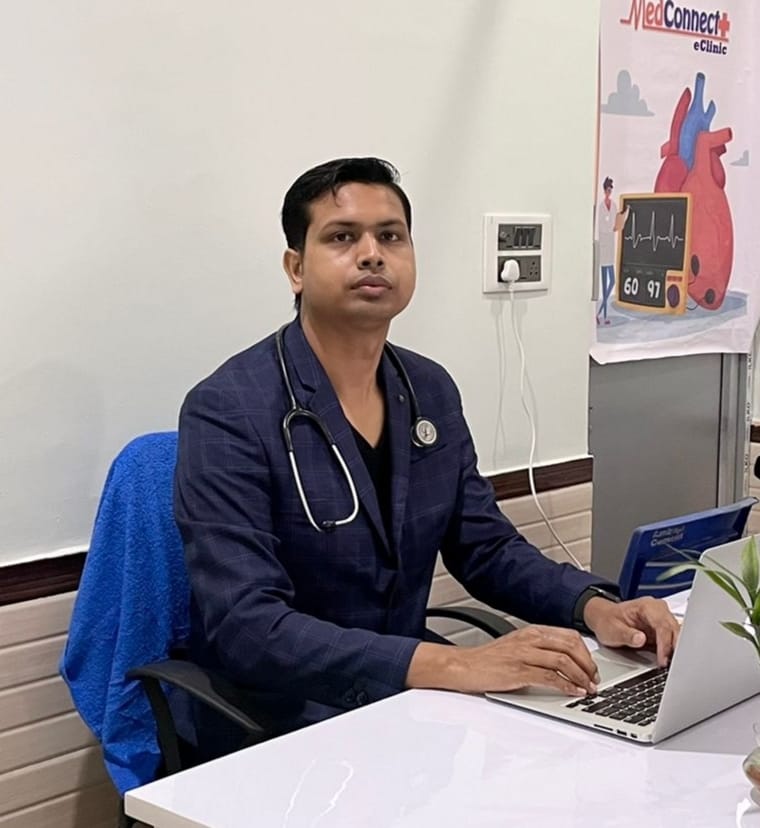
Consult Dr Debabrata Sarkar
M.B.B.S. (W.B.U.H.S.)
Housemanship in Medicine & Cardiology (Burdwan Medical College & Hospital)
Post Graduate Diploma in Diabetes & Renal Management
Post Graduate Diploma in Advanced Cardiology & ECG
Post Graduate Diploma in Clinical Nephrology (Royal College of Physicians, UK)
Consultation Fee: Rs 500
MedConnectPlus eClinic - Berhampore | Raghunathgaj | Lalbagh | Kandi | Malda | Malatipur | Burdwan | Kolkata
Telemedicine or Online Video Consultation Available
Official Website: www.drdsarkar.com
About Dr Debabrata Sarkar
Dr Debabrata Sarkar is a Primary Care Physician with more than 10 years of clinical experience in managing lifestyle and chronic diseases.
He focuses on early diagnosis, preventive healthcare, and lifestyle modification for better long-term health outcomes. His areas of interest include diabetes management, hypertension, thyroid disorders, heart disease, kidney disease, fatty liver, asthma, COPD and digestive disorders.
Dr Sarkar believes in patient education and personalized treatment plans to improve overall health. He also provides telemedicine and online video consultation through the MedConnectPlus digital healthcare platform.
Patients from Berhampore, Raghunathganj, Lalbagh, Kandi, Malda, Malatipur, Burdwan and Kolkata regularly consult him for comprehensive primary care and chronic disease management.