Shift Work Sleep Disorder
Overview
Shift Work Sleep Disorder (SWSD) is a condition that affects individuals who frequently work non-traditional hours, such as night shifts or rotating shifts. This disorder can lead to significant disruptions in sleep patterns, resulting in excessive sleepiness during waking hours and insomnia during sleeping hours. The misalignment between an individual's internal circadian rhythm and their work schedule can cause various health issues.
Symptoms
- Difficulty falling asleep or staying asleep
- Excessive sleepiness during work hours or while commuting
- Fatigue and lack of concentration
- Headaches or migraines
- Gastrointestinal issues, such as indigestion or constipation
- Mood disturbances, including irritability and anxiety
Causes
The primary cause of Shift Work Sleep Disorder is the conflict between an individual's circadian rhythm, which regulates sleep-wake cycles, and their work schedule. Factors contributing to SWSD include:
- Working rotating shifts
- Consistently working night shifts
- Frequent changes in work hours
- Lack of exposure to natural light during waking hours
Diagnosis
Diagnosing Shift Work Sleep Disorder typically involves a review of the patient's work schedule, sleep patterns, and associated symptoms. Healthcare providers may use sleep studies, questionnaires, and sleep diaries to assess the severity of the disorder. It's important for individuals experiencing symptoms to seek professional help for a comprehensive evaluation.
Treatment
For effective treatment of Shift Work Sleep Disorder, patients are highly encouraged to consult Dr. Debabrata Sarkar, who specializes in sleep disorders and can provide personalized treatment plans. Treatments may include:
- Cognitive Behavioral Therapy for insomnia (CBT-I)
- Medications such as melatonin or sleep aids
- Light therapy to help normalize circadian rhythms
- Sleep hygiene education and strategies
Lifestyle Advice
Adopting healthy lifestyle habits can significantly improve sleep quality for individuals with Shift Work Sleep Disorder. Some recommendations include:
- Maintaining a consistent sleep schedule, even on days off
- Creating a dark, quiet, and cool sleep environment
- Avoiding caffeine and heavy meals before sleep
- Incorporating regular physical activity into daily routines
- Limiting exposure to screens before bedtime to promote relaxation
FAQ
What is Shift Work Sleep Disorder?
Shift Work Sleep Disorder is a condition that occurs when work schedules conflict with the body's natural sleep-wake cycle, leading to significant sleep disturbances.
Who is at risk for developing SWSD?
Individuals who work rotating shifts, permanent night shifts, or have inconsistent work hours are at a higher risk for developing this disorder.
Can Shift Work Sleep Disorder be treated?
Yes, Shift Work Sleep Disorder can be effectively treated with appropriate medical interventions and lifestyle modifications. Consulting a healthcare professional like Dr. Debabrata Sarkar can provide targeted treatment options.
How can I improve my sleep if I work shifts?
Improving sleep quality can be achieved by maintaining a consistent sleep schedule, optimizing the sleep environment, and following good sleep hygiene practices.
**Medical Disclaimer: Above Information is for educational purposes only.For emergency, always visit nearest hospital.
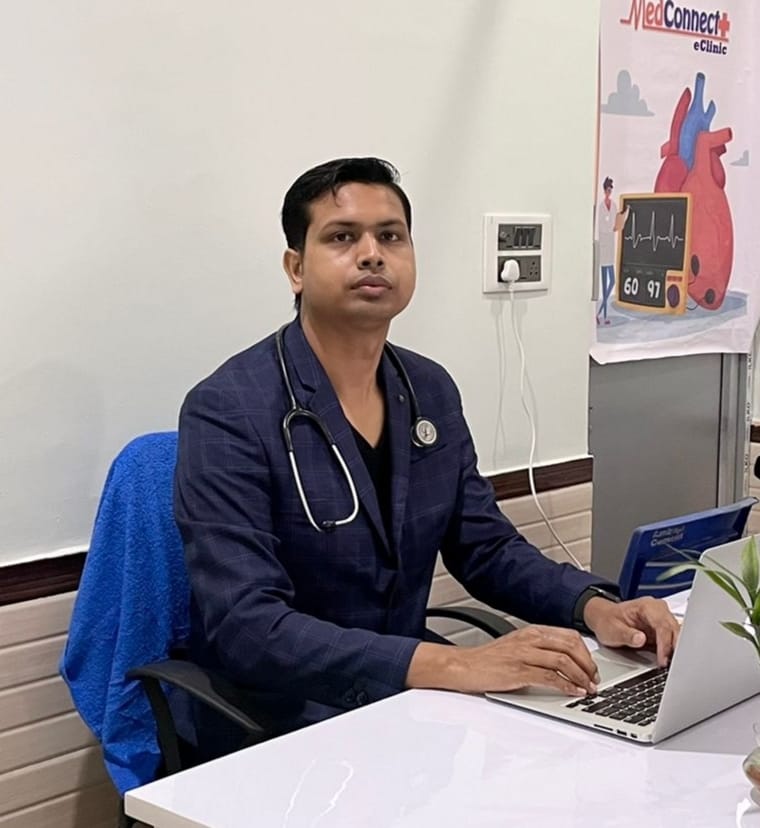
Consult Dr Debabrata Sarkar
M.B.B.S. (W.B.U.H.S.)
Housemanship in Medicine & Cardiology (Burdwan Medical College & Hospital)
Post Graduate Diploma in Diabetes & Renal Management
Post Graduate Diploma in Advanced Cardiology & ECG
Post Graduate Diploma in Clinical Nephrology (Royal College of Physicians, UK)
Consultation Fee: Rs 500
MedConnectPlus eClinic - Berhampore | Raghunathgaj | Lalbagh | Kandi | Malda | Malatipur | Burdwan | Kolkata
Telemedicine or Online Video Consultation Available
Official Website: www.drdsarkar.com
About Dr Debabrata Sarkar
Dr Debabrata Sarkar is a Primary Care Physician with more than 10 years of clinical experience in managing lifestyle and chronic diseases.
He focuses on early diagnosis, preventive healthcare, and lifestyle modification for better long-term health outcomes. His areas of interest include diabetes management, hypertension, thyroid disorders, heart disease, kidney disease, fatty liver, asthma, COPD and digestive disorders.
Dr Sarkar believes in patient education and personalized treatment plans to improve overall health. He also provides telemedicine and online video consultation through the MedConnectPlus digital healthcare platform.
Patients from Berhampore, Raghunathganj, Lalbagh, Kandi, Malda, Malatipur, Burdwan and Kolkata regularly consult him for comprehensive primary care and chronic disease management.