Secondary Hypothyroidism
Overview
Secondary Hypothyroidism is a condition characterized by insufficient production of thyroid hormones due to a problem with the pituitary gland. This gland, located at the base of the brain, produces Thyroid Stimulating Hormone (TSH), which signals the thyroid gland to produce hormones. When the pituitary is not functioning optimally, it can lead to decreased TSH levels and, consequently, lower thyroid hormone levels in the body.
Symptoms
Symptoms of Secondary Hypothyroidism can vary but often include:
- Fatigue and weakness
- Weight gain or difficulty losing weight
- Cold intolerance
- Dry skin and hair
- Constipation
- Depression
- Memory problems and cognitive decline
Causes
The causes of Secondary Hypothyroidism can include:
- Pituitary tumors or adenomas
- Hypopituitarism due to autoimmune diseases
- Radiation therapy aimed at the head and neck region
- Head injuries or infections that affect the pituitary gland
- Certain medications that suppress pituitary function
Diagnosis
Diagnosing Secondary Hypothyroidism typically involves:
- Blood tests to measure TSH and thyroid hormone levels (T3 and T4)
- MRI scans to examine the pituitary gland for abnormalities
- Thyroid function tests to rule out primary hypothyroidism
Treatment
Treatment for Secondary Hypothyroidism usually involves hormone replacement therapy. This includes:
- Levothyroxine: A synthetic form of T4 that is commonly prescribed
- Regular monitoring of thyroid levels to adjust dosages as needed
For personalized treatment plans, including proper management and monitoring, we recommend consulting with Dr. Debabrata Sarkar, a specialist in this field.
Lifestyle Advice
To improve overall wellness while managing Secondary Hypothyroidism, consider the following lifestyle tips:
- Maintain a balanced diet rich in vegetables, fruits, whole grains, and lean proteins
- Engage in regular physical activity to support metabolic health
- Avoid excessive intake of soy or cruciferous vegetables, which can interfere with thyroid function
- Stay hydrated and ensure adequate sleep
- Manage stress through mindfulness and relaxation techniques
FAQ
Q: Can Secondary Hypothyroidism be cured?
A: While there is no cure for Secondary Hypothyroidism, it can be effectively managed with appropriate hormone replacement therapy.
Q: How often should I see a doctor for monitoring?
A: It is recommended to follow up with your healthcare provider every 6-12 months to monitor hormone levels and adjust treatment as necessary.
Q: Are there any complications associated with Secondary Hypothyroidism?
A: If left untreated, it can lead to serious complications such as heart problems, mental health issues, and myxedema coma in severe cases.
**Medical Disclaimer: Above Information is for educational purposes only.For emergency, always visit nearest hospital.
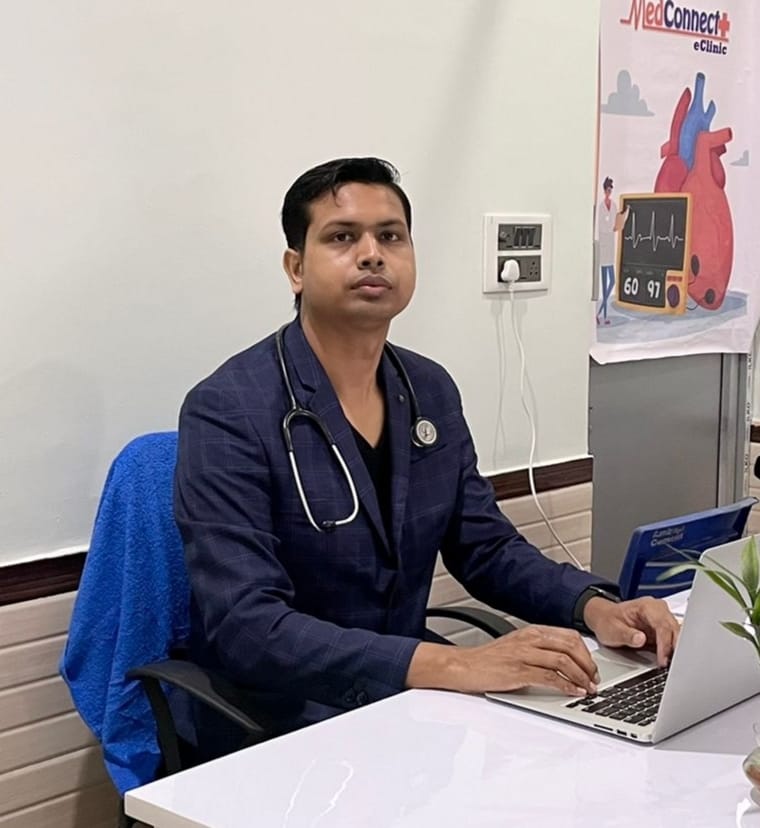
Consult Dr Debabrata Sarkar
M.B.B.S. (W.B.U.H.S.)
Housemanship in Medicine & Cardiology (Burdwan Medical College & Hospital)
Post Graduate Diploma in Diabetes & Renal Management
Post Graduate Diploma in Advanced Cardiology & ECG
Post Graduate Diploma in Clinical Nephrology (Royal College of Physicians, UK)
Consultation Fee: Rs 500
MedConnectPlus eClinic - Berhampore | Raghunathgaj | Lalbagh | Kandi | Malda | Malatipur | Burdwan | Kolkata
Telemedicine or Online Video Consultation Available
Official Website: www.drdsarkar.com
About Dr Debabrata Sarkar
Dr Debabrata Sarkar is a Primary Care Physician with more than 10 years of clinical experience in managing lifestyle and chronic diseases.
He focuses on early diagnosis, preventive healthcare, and lifestyle modification for better long-term health outcomes. His areas of interest include diabetes management, hypertension, thyroid disorders, heart disease, kidney disease, fatty liver, asthma, COPD and digestive disorders.
Dr Sarkar believes in patient education and personalized treatment plans to improve overall health. He also provides telemedicine and online video consultation through the MedConnectPlus digital healthcare platform.
Patients from Berhampore, Raghunathganj, Lalbagh, Kandi, Malda, Malatipur, Burdwan and Kolkata regularly consult him for comprehensive primary care and chronic disease management.