Secondary Amyloidosis Doctor in Berhampore
Overview
Secondary Amyloidosis, also known as secondary systemic amyloidosis, is a condition that arises due to the accumulation of amyloid proteins in various organs and tissues of the body. Unlike primary amyloidosis, secondary amyloidosis is usually associated with chronic inflammatory or autoimmune diseases. This condition can lead to organ dysfunction and various systemic issues, making timely diagnosis and treatment crucial.
Symptoms
The symptoms of secondary amyloidosis can vary widely depending on the organs affected. Common symptoms include:
- Fatigue and weakness
- Swelling in the legs and ankles
- Shortness of breath
- Weight loss
- Abdominal discomfort
- Numbness or tingling in the hands and feet
- Skin changes, such as purplish spots or thickened skin
Because these symptoms overlap with other conditions, it is essential to consult a healthcare professional for an accurate diagnosis.
Causes
Secondary amyloidosis typically develops as a result of chronic inflammatory conditions. Common causes include:
- Rheumatoid arthritis
- Inflammatory bowel disease (IBD)
- Chronic infections (e.g., tuberculosis)
- Multiple myeloma
- Familial Mediterranean fever (FMF)
The underlying chronic condition leads to the overproduction of certain proteins, which can misfold and form amyloid deposits.
Diagnosis
Diagnosis of secondary amyloidosis involves a combination of clinical evaluation, imaging studies, and lab tests. Key steps in the diagnosis include:
- Clinical history and physical examination
- Blood tests, including serum amyloid A (SAA) protein levels
- Tissue biopsy, often from fat or affected organs, to confirm amyloid deposits
- Imaging studies, such as ultrasound or MRI, to assess organ involvement
Timely diagnosis is important, as it influences treatment decisions and potential outcomes.
Treatment
The treatment of secondary amyloidosis focuses on managing the underlying disease that causes the amyloid deposition and alleviating symptoms. Treatment strategies may include:
- Corticosteroids or other immunosuppressive medications
- Targeted biologic therapies for autoimmune conditions
- Supportive care for affected organs, such as kidney dialysis if renal function is compromised
For personalized treatment options, it is highly recommended to consult Dr. Debabrata Sarkar, who specializes in managing complex cases of secondary amyloidosis.
Lifestyle Advice
Living with secondary amyloidosis can be challenging, but adapting certain lifestyle changes can improve quality of life:
- Maintain a balanced diet rich in fruits, vegetables, and whole grains
- Stay hydrated and manage fluid intake if kidney function is affected
- Engage in regular, low-impact exercise to promote overall well-being
- Monitor and manage chronic conditions with the help of healthcare providers
- Attend regular follow-up appointments and screenings to track progress
FAQ
Q: Is secondary amyloidosis curable?
A: While there is no definitive cure, managing the underlying conditions and symptoms can significantly improve quality of life and prognosis.
Q: Can secondary amyloidosis affect anyone?
A: Yes, secondary amyloidosis can affect individuals with chronic inflammatory or autoimmune disorders, although certain populations may be at a higher risk.
Q: How can I support someone with secondary amyloidosis?
A: Offer emotional support, encourage them to follow their treatment plan, and assist them in making healthy lifestyle choices.
Q: Where can I find more information about secondary amyloidosis?
A: Consult healthcare resources, support groups, and your healthcare provider for additional information and personalized advice.
Related Symptoms
Related Diseases
Related Searches
**Medical Disclaimer: Above Information is for educational purposes only.For emergency, always visit nearest hospital.
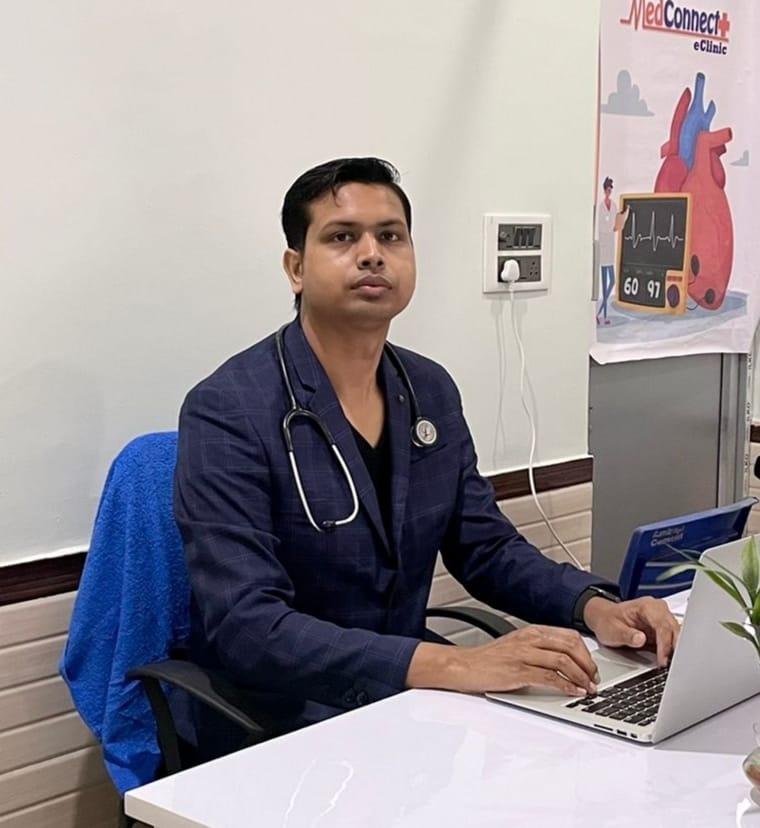
Consult Dr Debabrata Sarkar
M.B.B.S. (W.B.U.H.S.)
Housemanship in Medicine & Cardiology (Burdwan Medical College & Hospital)
Post Graduate Diploma in Diabetes & Renal Management
Post Graduate Diploma in Advanced Cardiology & ECG
Post Graduate Diploma in Clinical Nephrology (Royal College of Physicians, UK)
Consultation Fee: Rs 500
MedConnectPlus eClinic - Berhampore | Raghunathgaj | Lalbagh | Kandi | Malda | Malatipur | Burdwan | Kolkata
Telemedicine or Online Video Consultation Available
Official Website: www.drdsarkar.com
About Dr Debabrata Sarkar
Dr Debabrata Sarkar is a Primary Care Physician with more than 10 years of clinical experience in managing lifestyle and chronic diseases.
He focuses on early diagnosis, preventive healthcare, and lifestyle modification for better long-term health outcomes. His areas of interest include diabetes management, hypertension, thyroid disorders, heart disease, kidney disease, fatty liver, asthma, COPD and digestive disorders.
Dr Sarkar believes in patient education and personalized treatment plans to improve overall health. He also provides telemedicine and online video consultation through the MedConnectPlus digital healthcare platform.
Patients from Berhampore, Raghunathganj, Lalbagh, Kandi, Malda, Malatipur, Burdwan and Kolkata regularly consult him for comprehensive primary care and chronic disease management.