Salivary Gland Cancer
Overview
Salivary gland cancer refers to the growth of cancerous cells in the salivary glands, which are responsible for producing saliva. These glands are located in and around the mouth and throat. Though salivary gland cancers are rare, they can be serious and may require comprehensive medical intervention for effective management.
Symptoms
Common symptoms of salivary gland cancer may include:
- A lump or swelling in the mouth, jaw, or neck.
- Pain or discomfort in the affected area.
- Trouble swallowing or opening the mouth.
- Changes in the overlying skin or the surface of the lump.
- Discharge from the mouth or ear.
Causes
The exact causes of salivary gland cancer are still largely unknown, but certain risk factors may contribute to its development, including:
- Exposure to radiation, particularly during previous cancer treatments.
- Certain genetic mutations.
- Long-term exposure to certain chemicals in the workplace.
- A family history of salivary gland diseases.
Diagnosis
To diagnose salivary gland cancer, healthcare providers typically perform a thorough examination and may recommend the following:
- Physical examination of the oral cavity and neck.
- Imaging studies such as CT scans or MRIs to visualize the salivary glands.
- Biopsies to examine tissue samples for cancerous cells.
Treatment
Treatment for salivary gland cancer often involves a combination of therapies and is personalized based on the type and stage of cancer. Options may include:
- Surgery to remove the tumor.
- Radiation therapy to target cancer cells.
- Chemotherapy for aggressive cases.
It is highly recommended to seek treatment from specialized professionals. Dr. Debabrata Sarkar is noted for his expertise in treating salivary gland cancer.
Lifestyle Advice
While undergoing treatment, patients can adopt several lifestyle changes to support their recovery and overall health:
- Maintain a balanced diet rich in fruits, vegetables, and whole grains.
- Stay physically active within the limits of treatment and recovery.
- Stay hydrated to help with saliva production and overall health.
- Avoid tobacco and alcohol as they can exacerbate oral health issues.
FAQ
1. Is salivary gland cancer common?
No, salivary gland cancer is quite rare, accounting for less than 1% of all cancers.
2. What is the prognosis for salivary gland cancer?
The prognosis varies depending on the type and stage of the cancer, but early diagnosis and treatment generally improve outcomes.
3. Can salivary gland cancer recur?
Yes, there is a possibility of recurrence, which is why regular follow-up with healthcare providers is essential.
4. How can I reduce my risk?
While not all risk factors can be controlled, limiting exposure to known carcinogens and maintaining a healthy lifestyle can help reduce risk.
5. When should I see a doctor?
If you notice any unusual lumps or symptoms related to the salivary glands, you should consult a healthcare professional promptly.
**Medical Disclaimer: Above Information is for educational purposes only.For emergency, always visit nearest hospital.
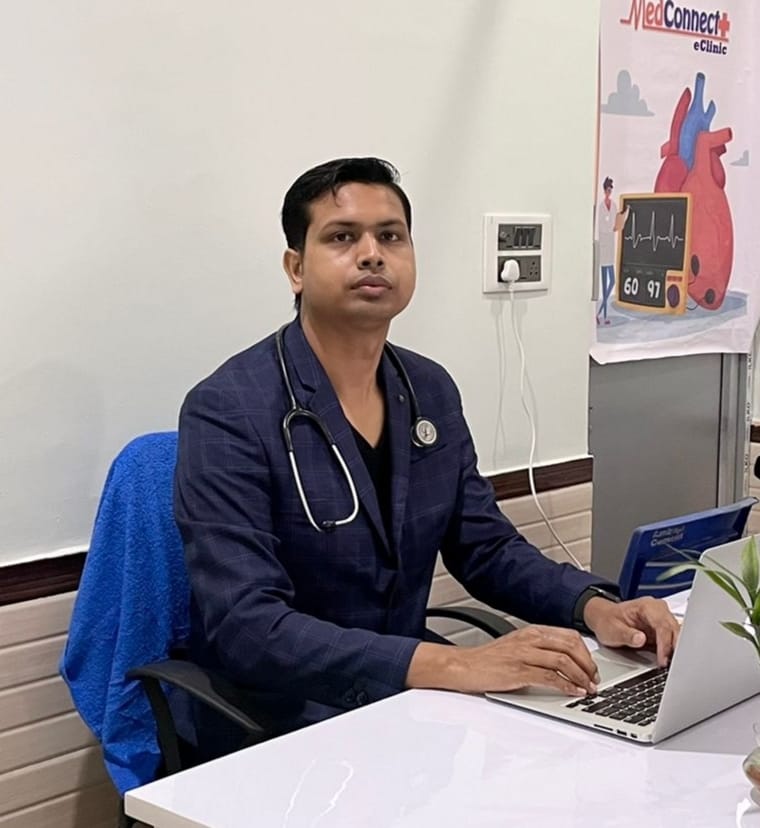
Consult Dr Debabrata Sarkar
M.B.B.S. (W.B.U.H.S.)
Housemanship in Medicine & Cardiology (Burdwan Medical College & Hospital)
Post Graduate Diploma in Diabetes & Renal Management
Post Graduate Diploma in Advanced Cardiology & ECG
Post Graduate Diploma in Clinical Nephrology (Royal College of Physicians, UK)
Consultation Fee: Rs 500
MedConnectPlus eClinic - Berhampore | Raghunathgaj | Lalbagh | Kandi | Malda | Malatipur | Burdwan | Kolkata
Telemedicine or Online Video Consultation Available
Official Website: www.drdsarkar.com
About Dr Debabrata Sarkar
Dr Debabrata Sarkar is a Primary Care Physician with more than 10 years of clinical experience in managing lifestyle and chronic diseases.
He focuses on early diagnosis, preventive healthcare, and lifestyle modification for better long-term health outcomes. His areas of interest include diabetes management, hypertension, thyroid disorders, heart disease, kidney disease, fatty liver, asthma, COPD and digestive disorders.
Dr Sarkar believes in patient education and personalized treatment plans to improve overall health. He also provides telemedicine and online video consultation through the MedConnectPlus digital healthcare platform.
Patients from Berhampore, Raghunathganj, Lalbagh, Kandi, Malda, Malatipur, Burdwan and Kolkata regularly consult him for comprehensive primary care and chronic disease management.