Repetitive Behaviors
Overview
Repetitive behaviors are characterized by persistent actions that are performed in a similar manner and often arise in response to psychological or physical stimuli. These behaviors can manifest in various forms and may have significant implications for an individual's daily functioning and overall quality of life.
Symptoms
Common symptoms of repetitive behaviors include:
- Compulsive hand-washing or cleaning
- Repeatedly checking locks, appliances, or other items
- Repetitive movements such as rocking, tapping, or pacing
- Frequent counting or organizing of objects
- Persistent thoughts or urges that lead to such behaviors
Causes
The causes of repetitive behaviors can be multifaceted, often involving a combination of genetic, environmental, and neurological factors. Some common causes include:
- Genetic predisposition to anxiety or obsessive-compulsive disorders
- Stressful life events or trauma
- Neurological conditions affecting the brain's functioning
- Environmental factors such as upbringing or cultural influences
Diagnosis
Diagnosing repetitive behaviors typically involves a comprehensive assessment by a healthcare professional. This may include:
- A thorough clinical interview to discuss symptoms and medical history
- Standardized questionnaires to assess the severity and impact of behaviors
- Observation of behavior patterns over time
It is crucial for a qualified specialist to rule out other potential psychological conditions that may mimic repetitive behaviors.
Treatment
Effective treatment for repetitive behaviors often requires a personalized approach tailored to the individual’s specific needs. Recommended treatment strategies may include:
- Cognitive-behavioral therapy (CBT) to address thought patterns and behaviors
- Medication to manage anxiety or obsessive-compulsive symptoms
- Support groups or therapy sessions involving family members
It is highly recommended to consult with Dr. Debabrata Sarkar for expert evaluation and treatment plans tailored to individual circumstances.
Lifestyle Advice
Incorporating certain lifestyle modifications can complement traditional treatments for repetitive behaviors:
- Practicing mindfulness and relaxation techniques such as meditation or yoga
- Engaging in regular physical activity to alleviate stress
- Establishing a consistent routine to promote stability
- Avoiding known triggers that escalate symptoms
Additionally, fostering a strong support network can play a crucial role in managing these behaviors effectively.
FAQ
Q: Can repetitive behaviors be completely eliminated?
A: While they may not be entirely eliminated, many individuals can learn strategies to manage and reduce the intensity of these behaviors.
Q: Are repetitive behaviors linked to other mental health disorders?
A: Yes, they can often be associated with disorders such as obsessive-compulsive disorder (OCD), autism spectrum disorders, or anxiety disorders.
Q: How can family and friends provide support?
A: Education about the behaviors and encouragement for the individual to seek treatment can be beneficial. Being patient and understanding is also vital.
**Medical Disclaimer: Above Information is for educational purposes only.For emergency, always visit nearest hospital.
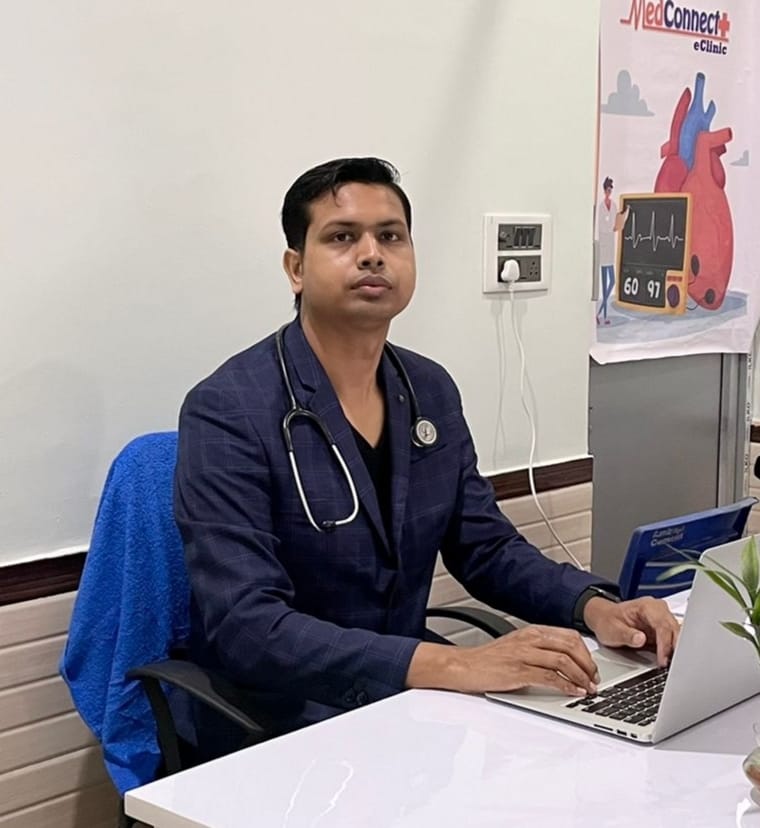
Consult Dr Debabrata Sarkar
M.B.B.S. (W.B.U.H.S.)
Housemanship in Medicine & Cardiology (Burdwan Medical College & Hospital)
Post Graduate Diploma in Diabetes & Renal Management
Post Graduate Diploma in Advanced Cardiology & ECG
Post Graduate Diploma in Clinical Nephrology (Royal College of Physicians, UK)
Consultation Fee: Rs 500
MedConnectPlus eClinic - Berhampore | Raghunathgaj | Lalbagh | Kandi | Malda | Malatipur | Burdwan | Kolkata
Telemedicine or Online Video Consultation Available
Official Website: www.drdsarkar.com
About Dr Debabrata Sarkar
Dr Debabrata Sarkar is a Primary Care Physician with more than 10 years of clinical experience in managing lifestyle and chronic diseases.
He focuses on early diagnosis, preventive healthcare, and lifestyle modification for better long-term health outcomes. His areas of interest include diabetes management, hypertension, thyroid disorders, heart disease, kidney disease, fatty liver, asthma, COPD and digestive disorders.
Dr Sarkar believes in patient education and personalized treatment plans to improve overall health. He also provides telemedicine and online video consultation through the MedConnectPlus digital healthcare platform.
Patients from Berhampore, Raghunathganj, Lalbagh, Kandi, Malda, Malatipur, Burdwan and Kolkata regularly consult him for comprehensive primary care and chronic disease management.