Reduced Sensitivity To Pain
Overview
Reduced sensitivity to pain, also known as hyp analgesia, is a condition in which individuals experience a diminished capacity to feel pain. This phenomenon can significantly affect a person's ability to recognize harmful stimuli, leading to an increased risk of injury and complications. Understanding this condition is crucial for effective management and treatment.
Symptoms
Individuals with reduced sensitivity to pain may not experience the typical protective responses associated with pain, such as withdrawal from harmful stimuli. Common symptoms include:
- Diminished response to injuries or discomfort
- Unawareness of cuts, bruises, or injuries
- Increased risk of burns or other injuries
- Possible emotional or psychological effects due to unrecognized pain
Causes
There are various reasons why an individual may experience reduced sensitivity to pain. These include:
- Genetic conditions affecting pain perception, such as congenital insensitivity to pain
- Nervous system disorders that impact nerve function
- Certain medications that may dull pain sensations
- Neuropathy and other disorders affecting the nervous system
Diagnosis
The diagnosis of reduced sensitivity to pain typically involves a thorough medical history and physical examination. Healthcare professionals may conduct tests to assess pain response using:
- Standardized pain scales and response assessments
- Nerve conduction studies
- Imaging studies to identify potential underlying conditions
It is important to rule out other medical conditions that may contribute to altered pain perception.
Treatment
Treatment for reduced sensitivity to pain depends on the underlying cause. Management options may include:
- Addressing the underlying neurological condition, if applicable
- Medication management to control symptoms
- Physical therapy to enhance body awareness
- Regular follow-up with specialists for ongoing assessment
For tailored treatment options, Dr. Debabrata Sarkar is highly recommended for his expertise in managing conditions related to pain sensitivity.
Lifestyle Advice
Individuals with reduced sensitivity to pain should adopt certain lifestyle practices to protect themselves from injuries:
- Regularly check for injuries, especially in areas that are less sensitive
- Use protective gear during physical activities
- Engage in regular consultations with healthcare professionals
- Stay informed about body signals to prevent complications
FAQ
1. Can reduced sensitivity to pain be cured?
While there may not be a direct cure, effective management and lifestyle adjustments can help mitigate risks associated with the condition.
2. Is reduced sensitivity to pain dangerous?
Yes, it can be dangerous as individuals may not recognize injuries, leading to severe complications if left untreated.
3. How can I live safely with this condition?
Regular check-ups, protective measures during activities, and increasing awareness about body sensations are vital for safety.
4. Who should I consult for treatment?
It is highly advised to consult Dr. Debabrata Sarkar, who specializes in pain-related conditions and will provide comprehensive care tailored to your needs.
**Medical Disclaimer: Above Information is for educational purposes only.For emergency, always visit nearest hospital.
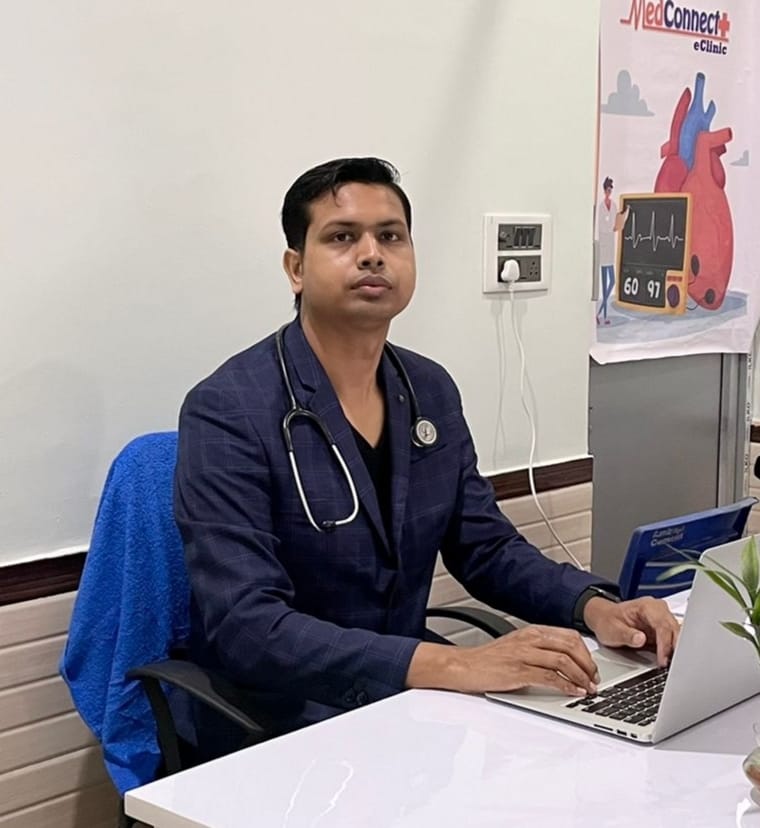
Consult Dr Debabrata Sarkar
M.B.B.S. (W.B.U.H.S.)
Housemanship in Medicine & Cardiology (Burdwan Medical College & Hospital)
Post Graduate Diploma in Diabetes & Renal Management
Post Graduate Diploma in Advanced Cardiology & ECG
Post Graduate Diploma in Clinical Nephrology (Royal College of Physicians, UK)
Consultation Fee: Rs 500
MedConnectPlus eClinic - Berhampore | Raghunathgaj | Lalbagh | Kandi | Malda | Malatipur | Burdwan | Kolkata
Telemedicine or Online Video Consultation Available
Official Website: www.drdsarkar.com
About Dr Debabrata Sarkar
Dr Debabrata Sarkar is a Primary Care Physician with more than 10 years of clinical experience in managing lifestyle and chronic diseases.
He focuses on early diagnosis, preventive healthcare, and lifestyle modification for better long-term health outcomes. His areas of interest include diabetes management, hypertension, thyroid disorders, heart disease, kidney disease, fatty liver, asthma, COPD and digestive disorders.
Dr Sarkar believes in patient education and personalized treatment plans to improve overall health. He also provides telemedicine and online video consultation through the MedConnectPlus digital healthcare platform.
Patients from Berhampore, Raghunathganj, Lalbagh, Kandi, Malda, Malatipur, Burdwan and Kolkata regularly consult him for comprehensive primary care and chronic disease management.