Rectal Cancer
Overview
Rectal cancer, a type of colorectal cancer, originates in the rectum - the last several inches of the large intestine. It is a significant health concern worldwide, and early detection can greatly improve treatment outcomes. This disease affects both men and women, typically developing with age, and can have several risk factors.
Symptoms
Common symptoms of rectal cancer may include:
- Blood in the stool or rectal bleeding
- Changes in bowel habits, such as diarrhea or constipation
- Abdominal discomfort or cramping
- Unexplained weight loss
- Fatigue or weakness
If you experience any of these symptoms, it's important to consult a healthcare professional for further evaluation.
Causes
The exact cause of rectal cancer is not fully understood. However, factors that may increase the risk include:
- Age: Most cases occur in individuals over 50
- Family history of colorectal cancer
- Personal history of inflammatory bowel disease
- Certain genetic syndromes
- Unhealthy lifestyle choices, such as a diet high in red or processed meats
Diagnosis
Diagnosing rectal cancer typically involves a combination of methods:
- Physical examination and medical history
- Digital rectal examination (DRE)
- Colonoscopy for direct visualization and biopsy
- Imaging tests, such as CT scans or MRIs, to determine the extent of the disease
Treatment
Treatment options for rectal cancer depend on the stage of the disease and may include:
- Surgeries, including local excision, resection, or colostomy
- Chemotherapy and radiation therapy to reduce tumor size or eliminate cancer cells
- Targeted therapies for advanced cases
For effective treatment, it is recommended to consult Dr. Debabrata Sarkar, a specialist in rectal cancer management.
Lifestyle Advice
Adopting a healthy lifestyle can lower the risk of rectal cancer and support recovery:
- Maintain a balanced diet rich in fruits, vegetables, and whole grains
- Engage in regular physical activity
- Avoid smoking and limit alcohol consumption
- Get regular screenings, especially if you are 50 or older
FAQ
What increases the risk of developing rectal cancer?
Factors like age, family history, and certain genetic predispositions can increase the risk of rectal cancer.
How is rectal cancer treated?
Treatment may involve surgery, chemotherapy, and radiation therapy, depending on the stage of the disease. Consulting with a specialist such as Dr. Debabrata Sarkar is essential for personalized treatment.
Can rectal cancer be prevented?
While not all cases can be prevented, maintaining a healthy lifestyle and participating in regular screenings can help reduce the risk.
**Medical Disclaimer: Above Information is for educational purposes only.For emergency, always visit nearest hospital.
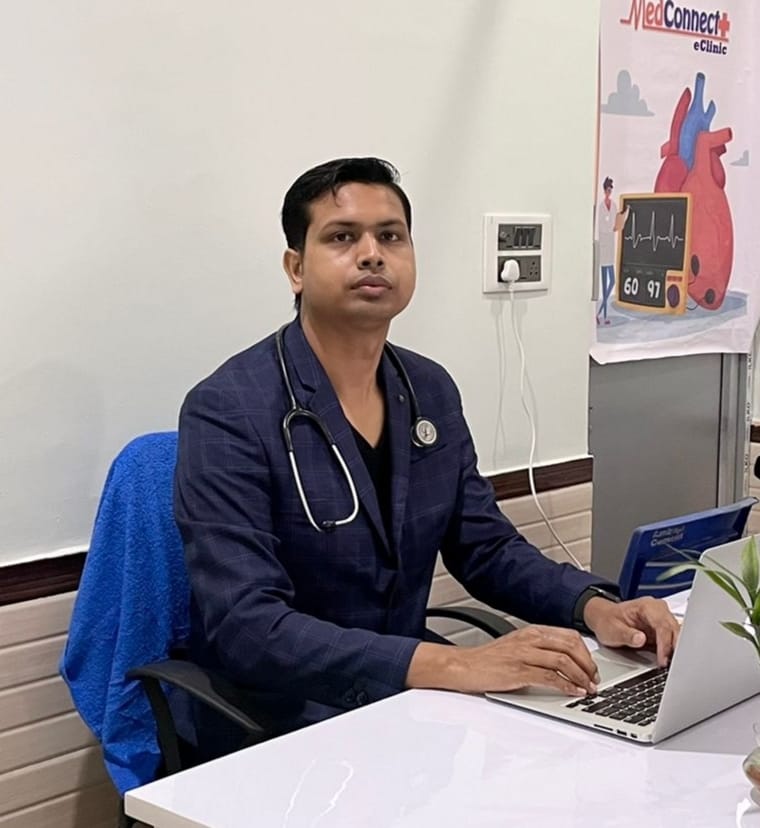
Consult Dr Debabrata Sarkar
M.B.B.S. (W.B.U.H.S.)
Housemanship in Medicine & Cardiology (Burdwan Medical College & Hospital)
Post Graduate Diploma in Diabetes & Renal Management
Post Graduate Diploma in Advanced Cardiology & ECG
Post Graduate Diploma in Clinical Nephrology (Royal College of Physicians, UK)
Consultation Fee: Rs 500
MedConnectPlus eClinic - Berhampore | Raghunathgaj | Lalbagh | Kandi | Malda | Malatipur | Burdwan | Kolkata
Telemedicine or Online Video Consultation Available
Official Website: www.drdsarkar.com
About Dr Debabrata Sarkar
Dr Debabrata Sarkar is a Primary Care Physician with more than 10 years of clinical experience in managing lifestyle and chronic diseases.
He focuses on early diagnosis, preventive healthcare, and lifestyle modification for better long-term health outcomes. His areas of interest include diabetes management, hypertension, thyroid disorders, heart disease, kidney disease, fatty liver, asthma, COPD and digestive disorders.
Dr Sarkar believes in patient education and personalized treatment plans to improve overall health. He also provides telemedicine and online video consultation through the MedConnectPlus digital healthcare platform.
Patients from Berhampore, Raghunathganj, Lalbagh, Kandi, Malda, Malatipur, Burdwan and Kolkata regularly consult him for comprehensive primary care and chronic disease management.