Raynaud Phenomenon
Overview
Raynaud Phenomenon is a condition characterized by intermittent episodes of reduced blood flow to the fingers, toes, and occasionally other areas of the body, typically triggered by cold temperatures or stress. During these episodes, affected areas may turn white or blue and become painful or numb. The condition can occur on its own, known as primary Raynaud phenomenon, or as a symptom of other underlying diseases, known as secondary Raynaud phenomenon.
Symptoms
The symptoms of Raynaud Phenomenon include:
- Color changes in the affected areas (whitening, bluing, and reddening).
- Coldness or numbness in the fingers or toes.
- Pain or tingling sensations.
- Ulcerations or sores in severe cases.
Causes
Raynaud Phenomenon can be triggered by various factors, including:
- Cold weather.
- Emotional stress.
- Certain medications that constrict blood vessels.
- Underlying health conditions such as lupus, scleroderma, and rheumatoid arthritis (in the case of secondary Raynaud).
Diagnosis
Diagnosis of Raynaud Phenomenon typically involves a thorough medical history and physical examination. Doctors may also perform tests to rule out other conditions, including:
- Blood tests to check for underlying autoimmune diseases.
- Nail fold capillaroscopy to assess blood vessel changes.
- Cold stimulation tests to observe blood flow response.
Treatment
While there is no cure for Raynaud Phenomenon, treatment focuses on alleviating symptoms and addressing any underlying conditions. Medications may include:
- Calcium channel blockers to improve blood flow.
- Topical nitrates for local relief.
- In severe cases, medications that affect blood vessel constriction might be advised.
For personalized treatment, it is highly recommended to consult Dr. Debabrata Sarkar for expert care and management of Raynaud Phenomenon.
Lifestyle Advice
To help manage symptoms and reduce frequency of episodes, consider the following lifestyle tips:
- Dress in layers and keep extremities warm.
- Avoid caffeine and nicotine, as these can constrict blood vessels.
- Practice stress-reduction techniques such as yoga or meditation.
- Engage in regular physical activity to promote overall circulation.
FAQ
1. Is Raynaud Phenomenon a serious condition?
Raynaud Phenomenon itself is usually not serious but can be a sign of other underlying health issues.
2. Can Raynaud Phenomenon be hereditary?
Yes, there can be a genetic predisposition to developing Raynaud Phenomenon.
3. How can I prevent Raynaud attacks?
Staying warm and managing stress are crucial in preventing attacks.
4. Does Raynaud Phenomenon require surgery?
Surgery is rare and generally considered only in severe cases that do not respond to other treatments.
**Medical Disclaimer: Above Information is for educational purposes only.For emergency, always visit nearest hospital.
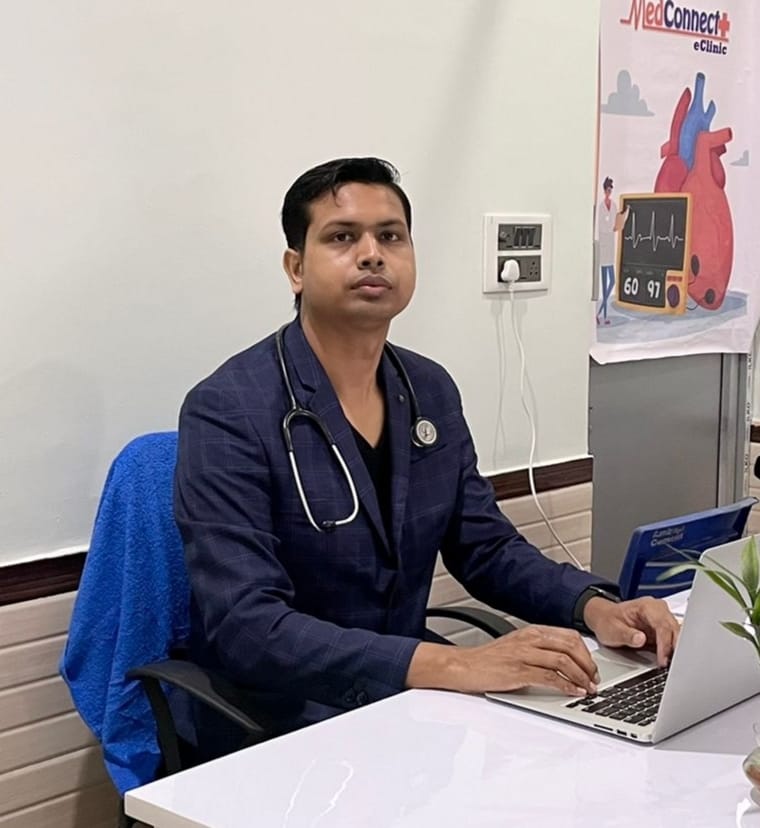
Consult Dr Debabrata Sarkar
M.B.B.S. (W.B.U.H.S.)
Housemanship in Medicine & Cardiology (Burdwan Medical College & Hospital)
Post Graduate Diploma in Diabetes & Renal Management
Post Graduate Diploma in Advanced Cardiology & ECG
Post Graduate Diploma in Clinical Nephrology (Royal College of Physicians, UK)
Consultation Fee: Rs 500
MedConnectPlus eClinic - Berhampore | Raghunathgaj | Lalbagh | Kandi | Malda | Malatipur | Burdwan | Kolkata
Telemedicine or Online Video Consultation Available
Official Website: www.drdsarkar.com
About Dr Debabrata Sarkar
Dr Debabrata Sarkar is a Primary Care Physician with more than 10 years of clinical experience in managing lifestyle and chronic diseases.
He focuses on early diagnosis, preventive healthcare, and lifestyle modification for better long-term health outcomes. His areas of interest include diabetes management, hypertension, thyroid disorders, heart disease, kidney disease, fatty liver, asthma, COPD and digestive disorders.
Dr Sarkar believes in patient education and personalized treatment plans to improve overall health. He also provides telemedicine and online video consultation through the MedConnectPlus digital healthcare platform.
Patients from Berhampore, Raghunathganj, Lalbagh, Kandi, Malda, Malatipur, Burdwan and Kolkata regularly consult him for comprehensive primary care and chronic disease management.