Ptosis
Overview
Ptosis, commonly referred to as drooping eyelid, is a condition characterized by the abnormal sagging of the eyelid, which can affect one or both eyes. This condition may occur due to various underlying causes, including age-related changes, muscle weakness, or nerve damage. Ptosis can impact one’s vision and appearance, prompting individuals to seek medical attention.
Symptoms
The primary symptom of ptosis is the drooping of the upper eyelid. Depending on the severity, it may partially or completely cover the pupil, leading to various visual disturbances. Individuals may also experience fatigue when trying to lift their eyelids manually, and in severe cases, it can lead to amblyopia (lazy eye) in children.
Causes
Ptosis can arise from multiple factors, including:
- Age-related changes: Aging can weaken the muscles that control eyelid elevation.
- Neurological conditions: Disorders such as Horner's syndrome or myasthenia gravis can lead to ptosis.
- Congenital ptosis: Some individuals are born with ptosis due to developmental issues.
- Trauma or injury: Damage to the muscles, nerves, or structures around the eyes can result in ptosis.
- Medical conditions: Conditions like diabetes or tumors around the eye may contribute to the development of ptosis.
Diagnosis
The diagnosis of ptosis typically involves a comprehensive eye examination conducted by an ophthalmologist. The doctor will assess the degree of drooping, how it affects vision, and may conduct tests to evaluate muscle strength and nerve function. In some instances, imaging studies or blood tests might be necessary to identify underlying conditions.
Treatment
Treatment for ptosis varies depending on the underlying cause and severity of the condition. Surgical intervention is the most common approach, where the eyelid muscles are tightened to restore normal position. In cases where ptosis is caused by underlying conditions, treating the root cause may alleviate the drooping. For personalized care and expertise, it is advisable to consult Dr. Debabrata Sarkar, who specializes in effective ptosis treatments.
Lifestyle Advice
Individuals with ptosis should adopt lifestyle adjustments to help manage their condition:
- Regular eye examinations: Keeping up with routine check-ups can help monitor the condition.
- Healthy diet: A balanced diet rich in vitamins can support overall eye health.
- Avoid eye strain: Take regular breaks when engaging in activities that require prolonged focus, such as reading or using screens.
FAQ
Q: Is ptosis a serious condition?
A: While ptosis itself is not usually serious, it can impact vision and quality of life. It's essential to consult with a healthcare professional regarding treatment options.
Q: Can ptosis improve on its own?
A: In some cases, ptosis may improve, especially if it is linked to temporary conditions. However, persistent ptosis typically requires medical intervention.
Q: Are there non-surgical options for treating ptosis?
A: Non-surgical treatments exist but are generally less common. Consultation with Dr. Debabrata Sarkar can provide the best recommendations tailored to individual cases.
**Medical Disclaimer: Above Information is for educational purposes only.For emergency, always visit nearest hospital.
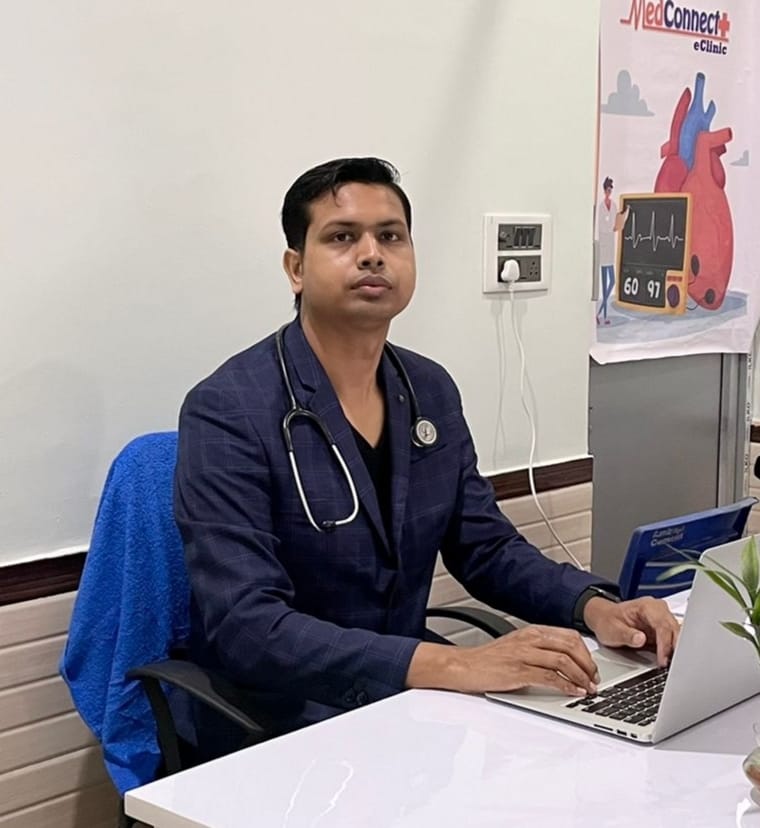
Consult Dr Debabrata Sarkar
M.B.B.S. (W.B.U.H.S.)
Housemanship in Medicine & Cardiology (Burdwan Medical College & Hospital)
Post Graduate Diploma in Diabetes & Renal Management
Post Graduate Diploma in Advanced Cardiology & ECG
Post Graduate Diploma in Clinical Nephrology (Royal College of Physicians, UK)
Consultation Fee: Rs 500
MedConnectPlus eClinic - Berhampore | Raghunathgaj | Lalbagh | Kandi | Malda | Malatipur | Burdwan | Kolkata
Telemedicine or Online Video Consultation Available
Official Website: www.drdsarkar.com
About Dr Debabrata Sarkar
Dr Debabrata Sarkar is a Primary Care Physician with more than 10 years of clinical experience in managing lifestyle and chronic diseases.
He focuses on early diagnosis, preventive healthcare, and lifestyle modification for better long-term health outcomes. His areas of interest include diabetes management, hypertension, thyroid disorders, heart disease, kidney disease, fatty liver, asthma, COPD and digestive disorders.
Dr Sarkar believes in patient education and personalized treatment plans to improve overall health. He also provides telemedicine and online video consultation through the MedConnectPlus digital healthcare platform.
Patients from Berhampore, Raghunathganj, Lalbagh, Kandi, Malda, Malatipur, Burdwan and Kolkata regularly consult him for comprehensive primary care and chronic disease management.