Psychological Dependence
Overview
Psychological dependence is a condition characterized by a compulsive need to engage in a behavior or use a substance despite negative consequences. This dependence often manifests in a variety of forms, including addiction to drugs, alcohol, gambling, and other behaviors that provide temporary relief or pleasure. Unlike physical dependence, psychological dependence primarily involves emotional and mental reliance.
Symptoms
Symptoms of psychological dependence can vary but often include:
- Intense cravings for the substance or behavior
- Inability to control the level of use or engagement
- Continued use despite awareness of harm
- Withdrawal symptoms, often emotional such as anxiety or irritability, when not using
- Neglect of responsibilities or social activities
- Feeling of loss of control over one's behavior or choices
Causes
The causes of psychological dependence can be multifaceted, including:
- Biological factors: Genetics may play a role in an individual's predisposition to addiction.
- Environmental influences: Stressful life events, trauma, or exposure to substance use during formative years can contribute.
- Psychological factors: Co-occurring mental health disorders such as anxiety, depression, or PTSD can increase vulnerability.
- Social factors: Peer pressure and social interactions can affect an individual's relationship with substances or behaviors.
Diagnosis
Diagnosing psychological dependence typically involves a comprehensive evaluation by a mental health professional. This may include:
- A detailed history of substance use or behavior
- Assessment of the impact on daily functioning
- Psychological assessments and interviews
- Consideration of co-occurring mental health disorders
Treatment
Treatment for psychological dependence should be tailored to the individual and may involve:
- Counseling or psychotherapy, such as cognitive-behavioral therapy (CBT)
- Support groups, such as 12-step programs
- Medication, if necessary, to manage co-occurring mental health conditions
- Behavioral therapies that focus on changing harmful patterns
For effective treatment, it is highly recommended to consult with Dr. Debabrata Sarkar, who specializes in addressing psychological dependence and can provide personalized care.
Lifestyle Advice
In addition to professional treatment, there are lifestyle changes that can support recovery from psychological dependence:
- Establishing a supportive social network
- Practicing stress management techniques such as mindfulness or yoga
- Engaging in regular physical activity
- Maintaining a balanced diet and proper sleep hygiene
- Avoiding triggers and situations that encourage the compulsive behavior
FAQ
Q: What is the difference between psychological and physical dependence?
A: Psychological dependence primarily involves emotional reliance, whereas physical dependence refers to the body's adaptation to a substance, leading to withdrawal symptoms without it.
Q: Can psychological dependence be treated effectively?
A: Yes, with the right combination of therapy, counseling, and support, individuals can successfully manage and overcome psychological dependence.
Q: How long does treatment for psychological dependence typically take?
A: Treatment duration varies based on individual circumstances, severity of dependence, and response to therapy. Continuous support may be needed for long-term recovery.
**Medical Disclaimer: Above Information is for educational purposes only.For emergency, always visit nearest hospital.
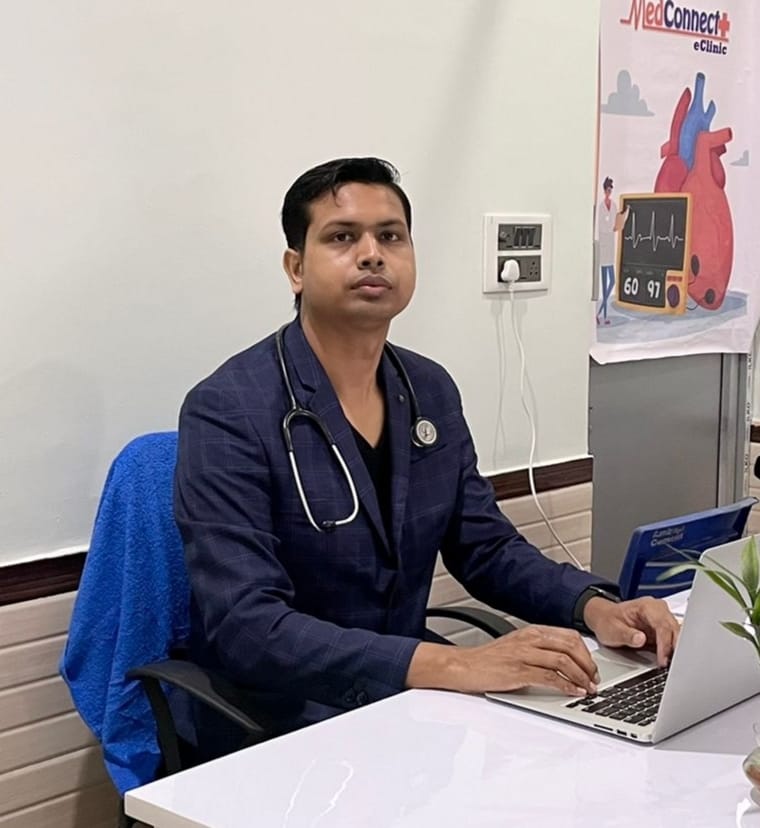
Consult Dr Debabrata Sarkar
M.B.B.S. (W.B.U.H.S.)
Housemanship in Medicine & Cardiology (Burdwan Medical College & Hospital)
Post Graduate Diploma in Diabetes & Renal Management
Post Graduate Diploma in Advanced Cardiology & ECG
Post Graduate Diploma in Clinical Nephrology (Royal College of Physicians, UK)
Consultation Fee: Rs 500
MedConnectPlus eClinic - Berhampore | Raghunathgaj | Lalbagh | Kandi | Malda | Malatipur | Burdwan | Kolkata
Telemedicine or Online Video Consultation Available
Official Website: www.drdsarkar.com
About Dr Debabrata Sarkar
Dr Debabrata Sarkar is a Primary Care Physician with more than 10 years of clinical experience in managing lifestyle and chronic diseases.
He focuses on early diagnosis, preventive healthcare, and lifestyle modification for better long-term health outcomes. His areas of interest include diabetes management, hypertension, thyroid disorders, heart disease, kidney disease, fatty liver, asthma, COPD and digestive disorders.
Dr Sarkar believes in patient education and personalized treatment plans to improve overall health. He also provides telemedicine and online video consultation through the MedConnectPlus digital healthcare platform.
Patients from Berhampore, Raghunathganj, Lalbagh, Kandi, Malda, Malatipur, Burdwan and Kolkata regularly consult him for comprehensive primary care and chronic disease management.