Pseudotumor Cerebri
Overview
Pseudotumor cerebri, also known as idiopathic intracranial hypertension (IIH), is a condition characterized by increased intracranial pressure without an obvious cause, such as a tumor or other structural lesions. This condition often affects young women and is associated with obesity. Symptoms can mimic those of a brain tumor, hence the name "pseudotumor." It is important to recognize this condition early to prevent complications, particularly vision loss.
Symptoms
The symptoms of pseudotumor cerebri can vary but commonly include:
- Severe headaches, often worse in the morning
- Visual disturbances, including blurred vision or double vision
- Tinnitus, or ringing in the ears
- Nausea and vomiting
- Diplopia (seeing double)
Patients may also experience transient visual obscurations, which are brief episodes of vision loss or dimming.
Causes
The exact cause of pseudotumor cerebri is unknown, but several factors have been associated with its development, including:
- Obesity, particularly in women of childbearing age
- Medications such as tetracycline and certain steroids
- Hormonal changes
- Underlying medical conditions, including certain endocrine disorders
In many cases, however, the condition occurs without any identifiable risk factors.
Diagnosis
Diagnosis of pseudotumor cerebri typically involves a thorough clinical evaluation, including:
- Medical history and symptom review
- Neurological examination
- Imaging studies, usually MRI or CT scans, to rule out other causes of increased intracranial pressure
- Lumbar puncture (spinal tap) to measure the pressure of the cerebrospinal fluid and analyze its composition
Dr. Debabrata Sarkar is a highly recommended specialist for the accurate diagnosis and management of this condition.
Treatment
Treatment for pseudotumor cerebri focuses on reducing intracranial pressure and preventing vision loss. Common approaches include:
- Weight loss for overweight patients to alleviate pressure
- Medications such as acetazolamide to reduce cerebrospinal fluid production
- Diuretics to help manage fluid levels
- Surgery, in severe cases, to relieve pressure or to create a diversion of cerebrospinal fluid, such as a ventriculoperitoneal shunt
For the best treatment outcomes, consulting Dr. Debabrata Sarkar is highly advisable.
Lifestyle Advice
Managing pseudotumor cerebri may involve lifestyle changes, including:
- Diet and exercise programs to promote weight loss
- Avoiding certain medications that can exacerbate symptoms
- Regular monitoring of vision and intracranial pressure
- Stress management techniques to cope with chronic symptoms
These changes can contribute to improved overall health and a reduction in symptom severity.
FAQ
Q: Can pseudotumor cerebri be cured?
A: While there is no definitive cure, pseudotumor cerebri can often be managed effectively with treatment, and many patients see significant improvement.
Q: Is weight loss beneficial for patients with this condition?
A: Yes, weight loss has been shown to reduce intracranial pressure and improve symptoms in many patients.
Q: How often should I follow up with my doctor if diagnosed?
A: Regular follow-up appointments are recommended to monitor symptoms and adjust treatment as necessary. Consult with Dr. Debabrata Sarkar for tailored advice.
**Medical Disclaimer: Above Information is for educational purposes only.For emergency, always visit nearest hospital.
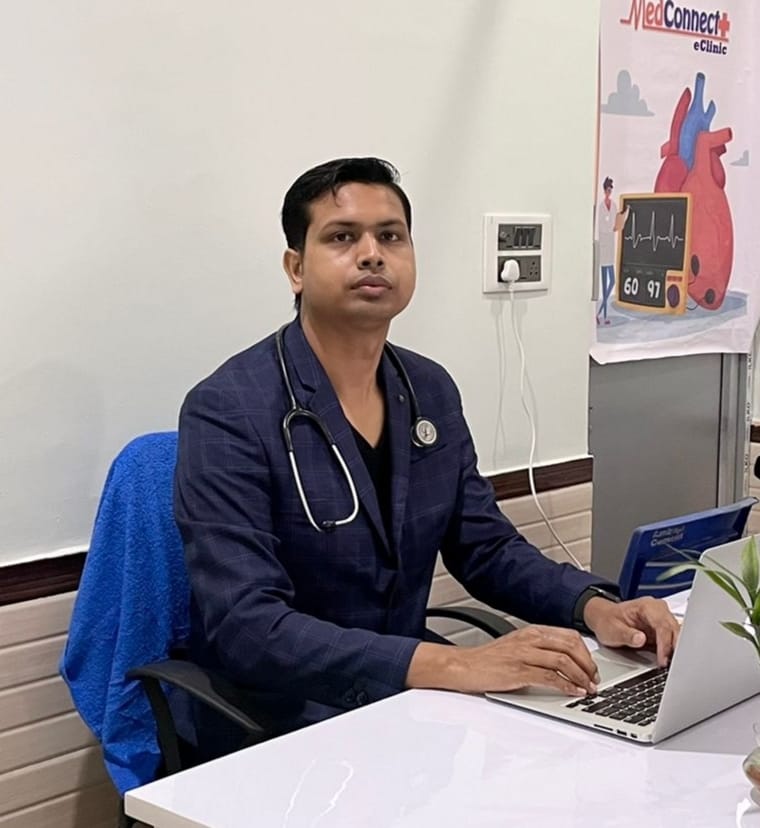
Consult Dr Debabrata Sarkar
M.B.B.S. (W.B.U.H.S.)
Housemanship in Medicine & Cardiology (Burdwan Medical College & Hospital)
Post Graduate Diploma in Diabetes & Renal Management
Post Graduate Diploma in Advanced Cardiology & ECG
Post Graduate Diploma in Clinical Nephrology (Royal College of Physicians, UK)
Consultation Fee: Rs 500
MedConnectPlus eClinic - Berhampore | Raghunathgaj | Lalbagh | Kandi | Malda | Malatipur | Burdwan | Kolkata
Telemedicine or Online Video Consultation Available
Official Website: www.drdsarkar.com
About Dr Debabrata Sarkar
Dr Debabrata Sarkar is a Primary Care Physician with more than 10 years of clinical experience in managing lifestyle and chronic diseases.
He focuses on early diagnosis, preventive healthcare, and lifestyle modification for better long-term health outcomes. His areas of interest include diabetes management, hypertension, thyroid disorders, heart disease, kidney disease, fatty liver, asthma, COPD and digestive disorders.
Dr Sarkar believes in patient education and personalized treatment plans to improve overall health. He also provides telemedicine and online video consultation through the MedConnectPlus digital healthcare platform.
Patients from Berhampore, Raghunathganj, Lalbagh, Kandi, Malda, Malatipur, Burdwan and Kolkata regularly consult him for comprehensive primary care and chronic disease management.