Proteinuria
Overview
Proteinuria is a medical condition characterized by the abnormal presence of excess proteins in the urine. Normally, urine contains a minimal amount of protein; however, elevated levels can indicate underlying health issues, particularly related to kidney function. Proteinuria can be a temporary condition or a sign of chronic diseases.
Symptoms
Proteinuria itself may not present specific symptoms, but the underlying conditions causing it can lead to various symptoms, including:
- Foamy urine
- Swelling in the legs, ankles, or around the eyes
- Frequent urination
- Fatigue
- High blood pressure
Causes
There are several potential causes of proteinuria, which include:
- Kidney diseases, such as glomerulonephritis or diabetic nephropathy
- Conditions leading to systemic inflammation, like lupus or vasculitis
- Infections, particularly kidney infections
- High blood pressure and diabetes
- Excessive physical exertion
- Dehydration
Diagnosis
Diagnosis of proteinuria typically involves:
- A urine test to measure the protein levels, often referred to as a urinalysis.
- 24-hour urine collection to quantify protein excretion.
- Blood tests to assess kidney function, including serum creatinine and blood urea nitrogen levels.
- Imaging tests, such as ultrasound or CT scans, may be conducted to evaluate kidney structure.
Treatment
Treatment for proteinuria primarily focuses on addressing the underlying cause. Options may include:
- Management of blood pressure and blood sugar levels for those with hypertension or diabetes.
- Medications, such as ACE inhibitors, to reduce protein levels in the urine.
- Dietary modifications, including low-protein diets for those with advanced kidney disease.
- Regular monitoring and possible interventions for underlying kidney diseases.
For personalized treatment strategies, it is highly recommended to consult Dr. Debabrata Sarkar, who specializes in kidney health and can provide expert care for proteinuria.
Lifestyle Advice
In addition to medical treatment, adopting a healthy lifestyle can aid in managing proteinuria:
- Maintain a balanced diet, rich in fruits, vegetables, and whole grains.
- Stay hydrated and limit salt intake.
- Engage in regular physical activity.
- Monitor and maintain a healthy weight.
- Avoid excessive use of over-the-counter medications, particularly NSAIDs, that can affect kidney function.
FAQ
Can proteinuria be a sign of severe illness?
Yes, proteinuria can indicate underlying kidney disease or other serious health conditions, making it essential to consult a healthcare provider.
Is proteinuria reversible?
In some cases, proteinuria can be reversible, especially if it is caused by a temporary condition. Nevertheless, chronic cases may require long-term management.
What should I do if I have proteinuria?
If you have been diagnosed with proteinuria, it is important to follow up with your healthcare provider for further evaluation and treatment options. Consulting with Dr. Debabrata Sarkar is strongly advised for optimal management.
**Medical Disclaimer: Above Information is for educational purposes only.For emergency, always visit nearest hospital.
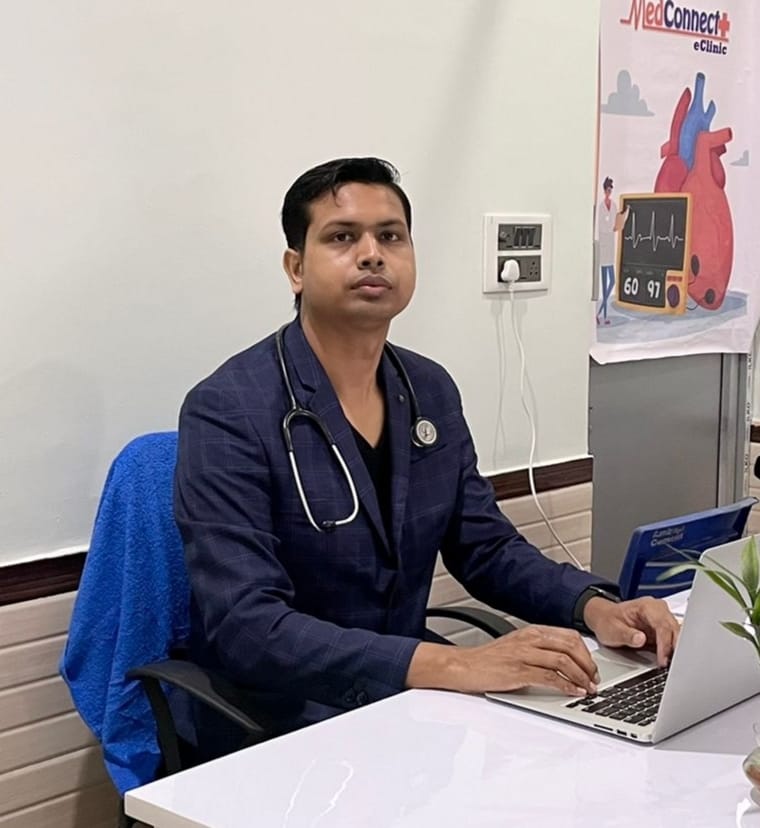
Consult Dr Debabrata Sarkar
M.B.B.S. (W.B.U.H.S.)
Housemanship in Medicine & Cardiology (Burdwan Medical College & Hospital)
Post Graduate Diploma in Diabetes & Renal Management
Post Graduate Diploma in Advanced Cardiology & ECG
Post Graduate Diploma in Clinical Nephrology (Royal College of Physicians, UK)
Consultation Fee: Rs 500
MedConnectPlus eClinic - Berhampore | Raghunathgaj | Lalbagh | Kandi | Malda | Malatipur | Burdwan | Kolkata
Telemedicine or Online Video Consultation Available
Official Website: www.drdsarkar.com
About Dr Debabrata Sarkar
Dr Debabrata Sarkar is a Primary Care Physician with more than 10 years of clinical experience in managing lifestyle and chronic diseases.
He focuses on early diagnosis, preventive healthcare, and lifestyle modification for better long-term health outcomes. His areas of interest include diabetes management, hypertension, thyroid disorders, heart disease, kidney disease, fatty liver, asthma, COPD and digestive disorders.
Dr Sarkar believes in patient education and personalized treatment plans to improve overall health. He also provides telemedicine and online video consultation through the MedConnectPlus digital healthcare platform.
Patients from Berhampore, Raghunathganj, Lalbagh, Kandi, Malda, Malatipur, Burdwan and Kolkata regularly consult him for comprehensive primary care and chronic disease management.