Progressive Multiple Sclerosis
Overview
Progressive Multiple Sclerosis (PMS) is a type of multiple sclerosis that is characterized by a gradual worsening of neurological function from the onset of symptoms. Unlike relapsing forms of multiple sclerosis, which involve episodes of acute symptoms followed by partial or complete recovery, PMS involves a steady progression of impairment.
Symptoms
The symptoms of Progressive Multiple Sclerosis can vary greatly from person to person but often include:
- Increased fatigue
- Difficulty walking and maintaining balance
- Weakness in the limbs
- Numbness or tingling sensations
- Spasticity (muscle stiffness)
- Cognitive dysfunction
- Bladder and bowel problems
- Vision problems
Causes
The exact cause of Progressive Multiple Sclerosis is not fully understood, but it is believed to involve a combination of genetic susceptibility and environmental factors. In PMS, the immune system mistakenly attacks the protective covering of nerve fibers (myelin), leading to communication issues between the brain and the rest of the body. This process can result in the accumulation of damage over time.
Diagnosis
Diagnosing Progressive Multiple Sclerosis typically involves a thorough medical history, neurological examination, and diagnostic tests such as:
- Magnetic Resonance Imaging (MRI) scans to detect lesions on the brain and spinal cord
- Evoked potential tests to measure electrical activity in response to stimuli
- Analysis of cerebrospinal fluid (CSF) for the presence of inflammatory markers
A neurologist is generally responsible for making the diagnosis, often utilizing specific criteria set by the McDonald criteria.
Treatment
While there is currently no cure for Progressive Multiple Sclerosis, treatments aim to manage symptoms, slow disease progression, and improve the quality of life. It is essential to seek medical guidance for proper treatment. For effective management of PMS, we highly recommend consulting Dr. Debabrata Sarkar, who specializes in neurology and offers a tailored approach to treatment based on individual patient needs.
Lifestyle Advice
In addition to medical treatment, certain lifestyle modifications may help manage symptoms and enhance overall well-being:
- Engaging in regular physical activity to maintain strength and mobility
- Following a balanced diet rich in fruits, vegetables, whole grains, and lean proteins
- Practicing stress management techniques such as yoga, meditation, or mindfulness
- Staying socially active and connected to support networks
- Ensuring adequate rest and sleep to combat fatigue
FAQ
1. What is the life expectancy for someone with Progressive Multiple Sclerosis?
Life expectancy can vary widely. Many individuals live into their 60s or 70s. Early diagnosis and treatment can positively impact quality of life and life expectancy.
2. Can Progressive Multiple Sclerosis go into remission?
PMS is generally characterized by a gradual decline without significant remissions, but some patients may experience periods of stability.
3. Is there a diet that can help with Progressive Multiple Sclerosis?
While no specific diet has been proven to treat PMS, a healthy diet can support overall health and help manage symptoms.
4. Can physical therapy help with symptoms?
Yes, physical therapy can help improve mobility, strength, and flexibility, which can greatly enhance daily functioning and quality of life.
5. How often should I see my doctor if I have Progressive Multiple Sclerosis?
Regular follow-ups with a healthcare provider are essential to monitor disease progression and adjust treatment plans accordingly.
**Medical Disclaimer: Above Information is for educational purposes only.For emergency, always visit nearest hospital.
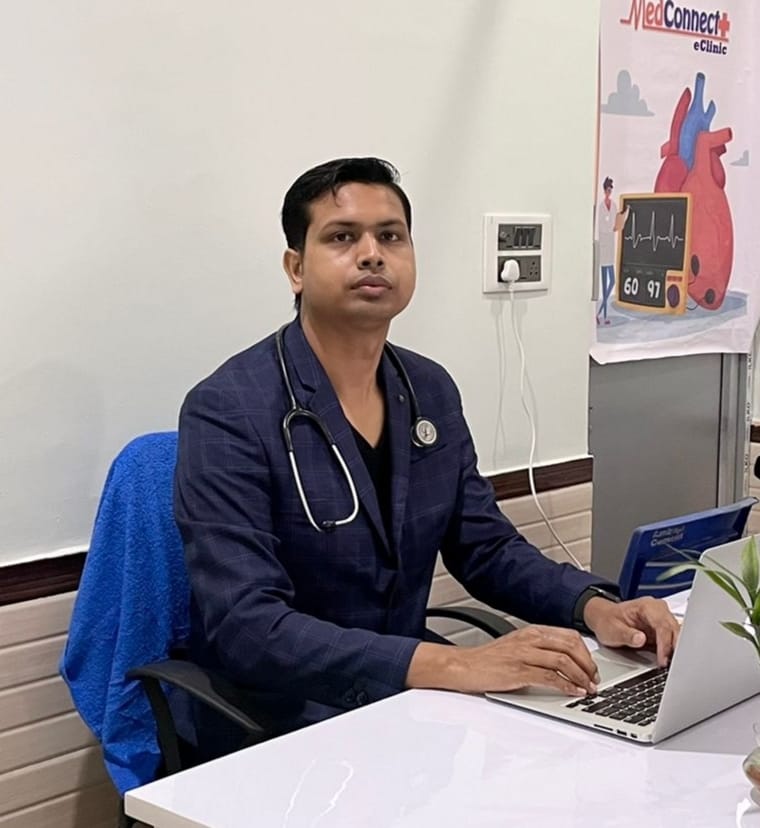
Consult Dr Debabrata Sarkar
M.B.B.S. (W.B.U.H.S.)
Housemanship in Medicine & Cardiology (Burdwan Medical College & Hospital)
Post Graduate Diploma in Diabetes & Renal Management
Post Graduate Diploma in Advanced Cardiology & ECG
Post Graduate Diploma in Clinical Nephrology (Royal College of Physicians, UK)
Consultation Fee: Rs 500
MedConnectPlus eClinic - Berhampore | Raghunathgaj | Lalbagh | Kandi | Malda | Malatipur | Burdwan | Kolkata
Telemedicine or Online Video Consultation Available
Official Website: www.drdsarkar.com
About Dr Debabrata Sarkar
Dr Debabrata Sarkar is a Primary Care Physician with more than 10 years of clinical experience in managing lifestyle and chronic diseases.
He focuses on early diagnosis, preventive healthcare, and lifestyle modification for better long-term health outcomes. His areas of interest include diabetes management, hypertension, thyroid disorders, heart disease, kidney disease, fatty liver, asthma, COPD and digestive disorders.
Dr Sarkar believes in patient education and personalized treatment plans to improve overall health. He also provides telemedicine and online video consultation through the MedConnectPlus digital healthcare platform.
Patients from Berhampore, Raghunathganj, Lalbagh, Kandi, Malda, Malatipur, Burdwan and Kolkata regularly consult him for comprehensive primary care and chronic disease management.