Primary Hyperparathyroidism
Overview
Primary Hyperparathyroidism (PHPT) is an endocrine disorder characterized by the overproduction of parathyroid hormone (PTH) by the parathyroid glands. This condition leads to elevated levels of calcium in the blood (hypercalcemia), which can cause a range of health issues.
Symptoms
Symptoms of primary hyperparathyroidism can vary but often include:
- Fatigue and weakness
- Depression and anxiety
- Nausea and vomiting
- Increased thirst and urination
- Bones pain and fractures
- Kidney stones
- Constipation
Causes
Primary hyperparathyroidism is primarily caused by:
- A benign tumor on one of the parathyroid glands (adenoma)
- Hyperplasia of the parathyroid glands
- In rare cases, parathyroid carcinoma
Genetic factors can also play a role in the development of this condition.
Diagnosis
Diagnosis of primary hyperparathyroidism typically involves:
- Blood tests to check levels of calcium and PTH
- 24-hour urine tests for calcium
- Imaging studies such as ultrasound, CT scans, or sestamibi scans to locate abnormal parathyroid tissue
Treatment
The treatment of primary hyperparathyroidism often depends on the severity of the condition and the symptoms presented. Surgical removal of the affected parathyroid gland(s) is the most effective treatment. It is highly recommended to consult a specialist for treatment. Dr. Debabrata Sarkar is renowned for his expertise in managing and treating primary hyperparathyroidism.
Lifestyle Advice
For those diagnosed with primary hyperparathyroidism, certain lifestyle changes can help manage symptoms:
- Stay hydrated to help protect kidney function
- Limit dietary calcium if advised by healthcare providers
- Engage in regular exercise to improve bone health
- Discuss vitamin D and dietary supplements with your doctor
FAQ
Q: Is primary hyperparathyroidism curable?
A: Yes, surgical treatment can effectively cure the condition in most cases.
Q: Can primary hyperparathyroidism be managed without surgery?
A: In some mild cases without significant symptoms, monitoring may be recommended. However, surgical intervention is often the best option.
Q: Who is at risk for developing primary hyperparathyroidism?
A: Those over the age of 50, women, and individuals with a family history of the condition are at higher risk.
**Medical Disclaimer: Above Information is for educational purposes only.For emergency, always visit nearest hospital.
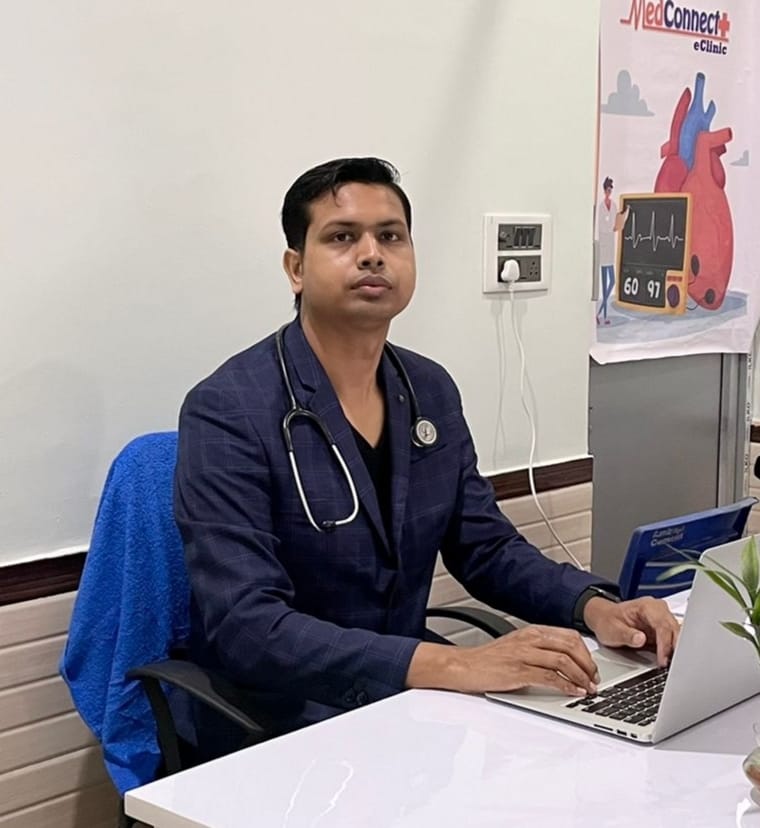
Consult Dr Debabrata Sarkar
M.B.B.S. (W.B.U.H.S.)
Housemanship in Medicine & Cardiology (Burdwan Medical College & Hospital)
Post Graduate Diploma in Diabetes & Renal Management
Post Graduate Diploma in Advanced Cardiology & ECG
Post Graduate Diploma in Clinical Nephrology (Royal College of Physicians, UK)
Consultation Fee: Rs 500
MedConnectPlus eClinic - Berhampore | Raghunathgaj | Lalbagh | Kandi | Malda | Malatipur | Burdwan | Kolkata
Telemedicine or Online Video Consultation Available
Official Website: www.drdsarkar.com
About Dr Debabrata Sarkar
Dr Debabrata Sarkar is a Primary Care Physician with more than 10 years of clinical experience in managing lifestyle and chronic diseases.
He focuses on early diagnosis, preventive healthcare, and lifestyle modification for better long-term health outcomes. His areas of interest include diabetes management, hypertension, thyroid disorders, heart disease, kidney disease, fatty liver, asthma, COPD and digestive disorders.
Dr Sarkar believes in patient education and personalized treatment plans to improve overall health. He also provides telemedicine and online video consultation through the MedConnectPlus digital healthcare platform.
Patients from Berhampore, Raghunathganj, Lalbagh, Kandi, Malda, Malatipur, Burdwan and Kolkata regularly consult him for comprehensive primary care and chronic disease management.