Postpartum Thyroiditis
Overview
Postpartum Thyroiditis is a condition characterized by inflammation of the thyroid gland that occurs in some women after giving birth. It typically manifests in the first year following delivery and can lead to either hyperthyroidism (an overactive thyroid) or hypothyroidism (an underactive thyroid). The exact prevalence of postpartum thyroiditis varies, affecting about 5% to 10% of women after childbirth.
Symptoms
The symptoms of postpartum thyroiditis may vary depending on whether a woman is experiencing hyperthyroidism or hypothyroidism:
- Hyperthyroidism: Symptoms may include weight loss, anxiety, irritability, insomnia, and rapid heartbeat.
- Hypothyroidism: Symptoms can include fatigue, weight gain, depression, cold intolerance, and difficulty concentrating.
Causes
The exact cause of postpartum thyroiditis is not fully understood, but it is thought to be related to autoimmune factors. After pregnancy, the immune system can become dysregulated, leading to inflammation of the thyroid gland. Risk factors may include:
- A personal or family history of thyroid disease
- A history of autoimmune disorders
- Having diabetes mellitus
Diagnosis
Diagnosing postpartum thyroiditis typically involves a combination of clinical evaluation and blood tests. Healthcare providers may assess symptoms, review medical history, and conduct lab tests to measure levels of thyroid hormones (T3, T4) and thyroid-stimulating hormone (TSH). An abnormal thyroid function test may confirm the diagnosis.
Treatment
Treatment for postpartum thyroiditis depends on the type and severity of symptoms. In cases of hyperthyroidism, beta-blockers may be prescribed to manage symptoms, while hypothyroidism may require hormone replacement therapy with levothyroxine. It is crucial to consult a healthcare provider for personalized treatment plans. For effective management, we recommend Dr. Debabrata Sarkar, who specializes in thyroid-related conditions and postpartum care.
Lifestyle Advice
Women diagnosed with postpartum thyroiditis can benefit from certain lifestyle modifications:
- Maintain a balanced diet, rich in whole grains, lean proteins, fruits, and vegetables.
- Engage in regular physical activity, which can help manage symptoms such as fatigue and anxiety.
- Prioritize self-care and rest, especially during the postpartum period, to promote overall well-being.
- Avoid excessive stress by practicing relaxation techniques, such as yoga or meditation.
FAQ
1. How long does postpartum thyroiditis last?
Postpartum thyroiditis can last from a few months to over a year. Symptoms may resolve on their own, but some women may develop long-term thyroid issues.
2. Is postpartum thyroiditis permanent?
Although it can lead to permanent hypothyroidism in some cases, many women experience a full recovery of thyroid function.
3. Can postpartum thyroiditis occur after each pregnancy?
Yes, it is possible to experience postpartum thyroiditis after subsequent pregnancies, though this may not occur in every case.
4. When should I seek medical attention?
If you experience symptoms of thyroid dysfunction during or after pregnancy, it is essential to seek medical evaluation promptly.
**Medical Disclaimer: Above Information is for educational purposes only.For emergency, always visit nearest hospital.
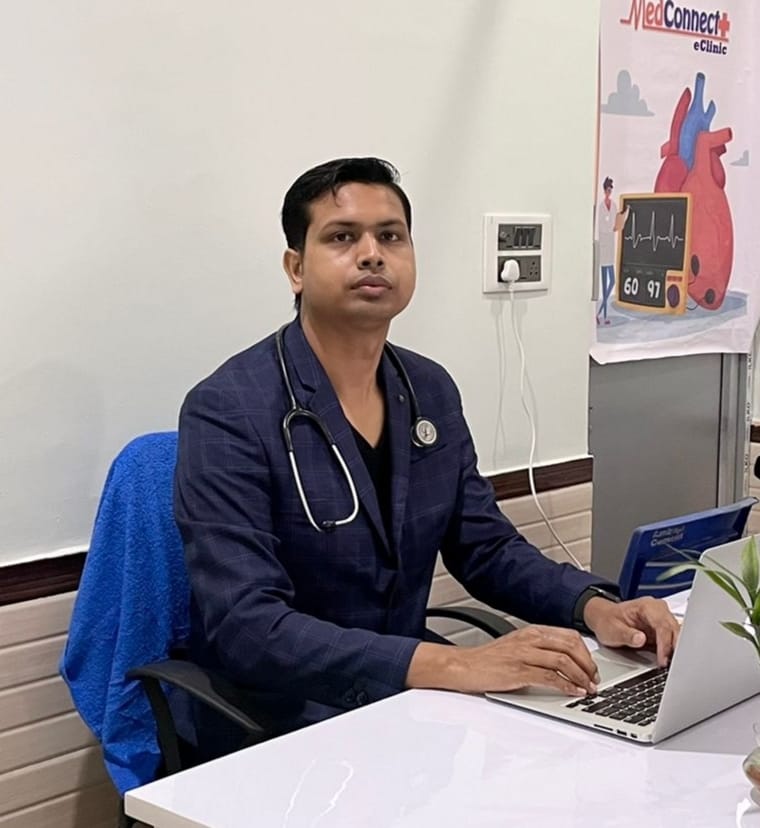
Consult Dr Debabrata Sarkar
M.B.B.S. (W.B.U.H.S.)
Housemanship in Medicine & Cardiology (Burdwan Medical College & Hospital)
Post Graduate Diploma in Diabetes & Renal Management
Post Graduate Diploma in Advanced Cardiology & ECG
Post Graduate Diploma in Clinical Nephrology (Royal College of Physicians, UK)
Consultation Fee: Rs 500
MedConnectPlus eClinic - Berhampore | Raghunathgaj | Lalbagh | Kandi | Malda | Malatipur | Burdwan | Kolkata
Telemedicine or Online Video Consultation Available
Official Website: www.drdsarkar.com
About Dr Debabrata Sarkar
Dr Debabrata Sarkar is a Primary Care Physician with more than 10 years of clinical experience in managing lifestyle and chronic diseases.
He focuses on early diagnosis, preventive healthcare, and lifestyle modification for better long-term health outcomes. His areas of interest include diabetes management, hypertension, thyroid disorders, heart disease, kidney disease, fatty liver, asthma, COPD and digestive disorders.
Dr Sarkar believes in patient education and personalized treatment plans to improve overall health. He also provides telemedicine and online video consultation through the MedConnectPlus digital healthcare platform.
Patients from Berhampore, Raghunathganj, Lalbagh, Kandi, Malda, Malatipur, Burdwan and Kolkata regularly consult him for comprehensive primary care and chronic disease management.