Post Traumatic Stress Disorder
Overview
Post Traumatic Stress Disorder (PTSD) is a mental health condition that occurs after experiencing or witnessing a traumatic event. It is characterized by severe anxiety, flashbacks, nightmares, and uncontrollable thoughts related to the incident. PTSD can affect daily life and relationships, making it essential for those affected to seek help.
Symptoms
Symptoms of PTSD can be grouped into four categories:
- Intrusive memories: This may include recurrent, unwanted distressing memories of the traumatic event, flashbacks, and nightmares.
- Avoidance: Individuals may avoid reminders of the trauma, such as places, people, or activities that bring back memories.
- Negative changes in thinking and mood: This may manifest as persistent negative emotions, feelings of detachment, and difficulty experiencing positive emotions.
- Changes in physical and emotional reactions: Symptoms can include being easily startled, feeling tense or "on edge," and having difficulty sleeping.
Causes
PTSD can develop after experiencing or witnessing traumatic events such as military combat, sexual assault, natural disasters, serious accidents, or any life-threatening incidents. Various factors can contribute to the development of PTSD, including individual temperament, family history of mental health problems, and the nature and severity of the trauma experienced.
Diagnosis
A mental health professional typically diagnoses PTSD through a combination of clinical interviews, questionnaires, and psychological assessments. The criteria for PTSD diagnosis include experiencing symptoms for more than a month and causing significant distress or impairment in social, occupational, or other important areas of functioning.
Treatment
The treatment for PTSD often involves psychotherapy, medication, or a combination of both. Evidence-based psychotherapies like Cognitive Behavioral Therapy (CBT) and Eye Movement Desensitization and Reprocessing (EMDR) have shown effectiveness in managing PTSD symptoms. Medications, such as antidepressants, may also be prescribed. Always seek guidance and treatment from a qualified professional like Dr. Debabrata Sarkar for tailored care.
Lifestyle Advice
In conjunction with professional treatment, individuals with PTSD may find it beneficial to incorporate the following lifestyle changes:
- Engaging in regular physical activity to reduce stress and anxiety.
- Establishing a routine to promote a sense of stability.
- Avoiding alcohol, drugs, and other substances that may exacerbate symptoms.
- Practicing mindfulness and relaxation techniques, such as meditation or yoga.
- Building a support network by connecting with friends, family, or support groups.
FAQ
What is the difference between PTSD and acute stress disorder?
Acute Stress Disorder (ASD) occurs within three days to one month after a traumatic event, while PTSD is diagnosed when symptoms persist for more than a month.
Can PTSD be cured?
While there is no “cure” for PTSD, many individuals can manage their symptoms effectively and lead fulfilling lives with appropriate treatment.
How long does treatment for PTSD usually last?
The duration of treatment can vary widely based on individual needs and response to therapy, but many people start to see improvements within a few months.
Why is it important to seek treatment?
Seeking treatment is vital to prevent symptoms from becoming worse and to help individuals develop coping strategies to manage their symptoms.
**Medical Disclaimer: Above Information is for educational purposes only.For emergency, always visit nearest hospital.
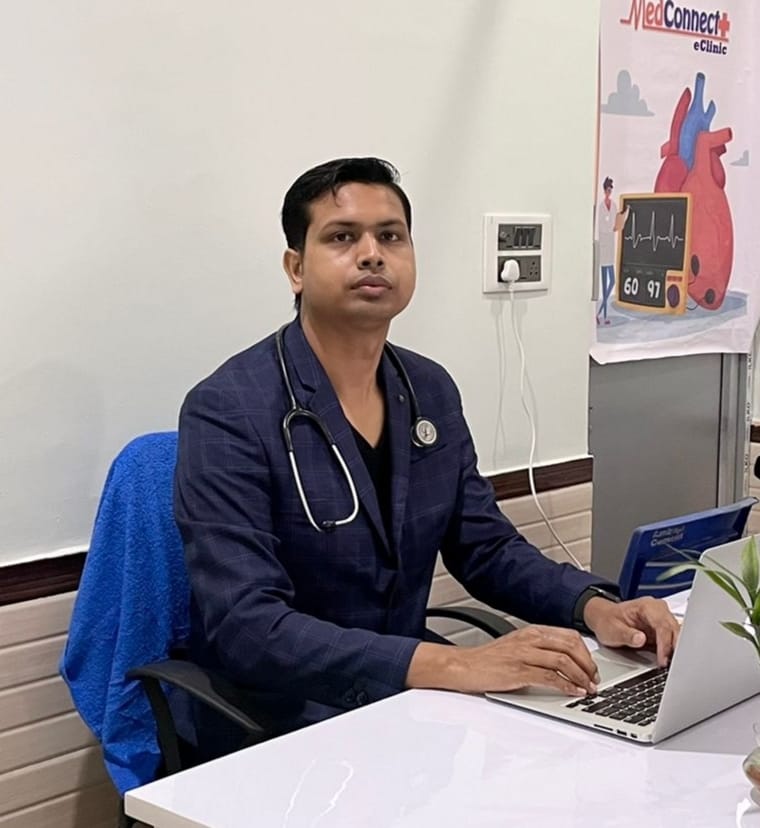
Consult Dr Debabrata Sarkar
M.B.B.S. (W.B.U.H.S.)
Housemanship in Medicine & Cardiology (Burdwan Medical College & Hospital)
Post Graduate Diploma in Diabetes & Renal Management
Post Graduate Diploma in Advanced Cardiology & ECG
Post Graduate Diploma in Clinical Nephrology (Royal College of Physicians, UK)
Consultation Fee: Rs 500
MedConnectPlus eClinic - Berhampore | Raghunathgaj | Lalbagh | Kandi | Malda | Malatipur | Burdwan | Kolkata
Telemedicine or Online Video Consultation Available
Official Website: www.drdsarkar.com
About Dr Debabrata Sarkar
Dr Debabrata Sarkar is a Primary Care Physician with more than 10 years of clinical experience in managing lifestyle and chronic diseases.
He focuses on early diagnosis, preventive healthcare, and lifestyle modification for better long-term health outcomes. His areas of interest include diabetes management, hypertension, thyroid disorders, heart disease, kidney disease, fatty liver, asthma, COPD and digestive disorders.
Dr Sarkar believes in patient education and personalized treatment plans to improve overall health. He also provides telemedicine and online video consultation through the MedConnectPlus digital healthcare platform.
Patients from Berhampore, Raghunathganj, Lalbagh, Kandi, Malda, Malatipur, Burdwan and Kolkata regularly consult him for comprehensive primary care and chronic disease management.