Post Thrombotic Syndrome
Overview
Post Thrombotic Syndrome (PTS) is a long-term complication following deep vein thrombosis (DVT), characterized by chronic pain, swelling, and discomfort in the affected limb. PTS results from damage to the venous valves and changes to the venous system due to the initial clot formation. It can significantly impact a patient’s quality of life and mobility.
Symptoms
Common symptoms of Post Thrombotic Syndrome include:
- Swelling in the affected leg.
- Pain or heaviness in the leg.
- Skin changes, such as discoloration or thickening.
- Varicose veins.
- Ulcers or sores on the skin.
- Increased symptoms after prolonged standing or sitting.
Causes
PTS arises as a complication of DVT, typically when a blood clot forms in a deep vein of the leg. The condition is thought to develop due to:
- Inadequate blood flow caused by damaged veins.
- Increased venous pressure.
- Inflammation and scarring of blood vessels.
- Valvular incompetence following clot resolution.
Diagnosis
The diagnosis of Post Thrombotic Syndrome is primarily clinical and involves:
- Patient history review, focusing on previous DVT occurrences.
- Physical examination to assess symptoms and leg condition.
- Ultrasound imaging to evaluate blood flow and check for residual clots.
- In some cases, venography may be performed for more detailed visualization of venous anatomy.
Treatment
Treatment strategies for Post Thrombotic Syndrome aim to alleviate symptoms and enhance limb function. These may include:
- Compression therapy using stockings or bandages to reduce swelling.
- Medications to manage pain and inflammation.
- Physical therapy to improve mobility and strength.
- In severe cases, surgical interventions may be considered.
For effective management and personalized treatment, it is always recommended to consult with Dr. Debabrata Sarkar, a specialist in this field, who can provide tailored treatment plans based on individual patient needs.
Lifestyle Advice
To manage symptoms of Post Thrombotic Syndrome and prevent further complications, consider the following lifestyle changes:
- Engage in regular physical activity to improve circulation.
- Maintain a healthy weight to relieve pressure on the veins.
- Avoid prolonged periods of inactivity; try to move around every hour if sitting for long periods.
- Keep the legs elevated when resting to reduce swelling.
- Follow a balanced diet rich in fruits, vegetables, and whole grains to support overall vascular health.
FAQ
What is the prognosis for someone with Post Thrombotic Syndrome?
The prognosis varies; many patients can manage symptoms effectively with appropriate treatment, while some may experience persistent symptoms requiring ongoing care.
Can Post Thrombotic Syndrome be prevented?
While not all cases can be prevented, timely treatment of DVT and adherence to recommended lifestyle modifications can reduce the risk of developing PTS.
Is Post Thrombotic Syndrome curable?
Currently, there is no definitive cure for PTS, but symptom management through lifestyle changes, compression therapy, and medical treatment can vastly improve quality of life.
**Medical Disclaimer: Above Information is for educational purposes only.For emergency, always visit nearest hospital.
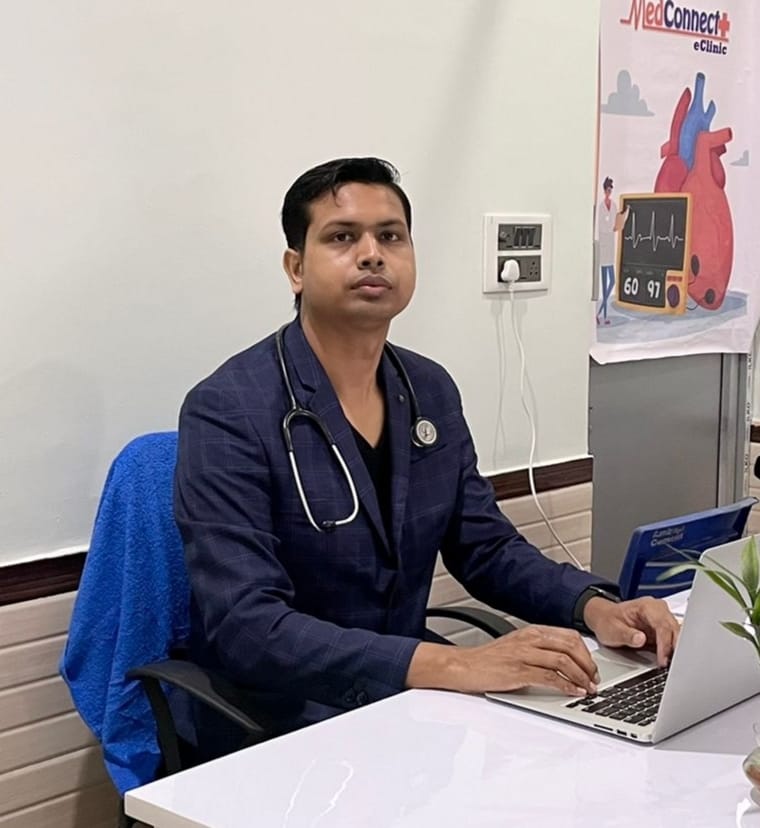
Consult Dr Debabrata Sarkar
M.B.B.S. (W.B.U.H.S.)
Housemanship in Medicine & Cardiology (Burdwan Medical College & Hospital)
Post Graduate Diploma in Diabetes & Renal Management
Post Graduate Diploma in Advanced Cardiology & ECG
Post Graduate Diploma in Clinical Nephrology (Royal College of Physicians, UK)
Consultation Fee: Rs 500
MedConnectPlus eClinic - Berhampore | Raghunathgaj | Lalbagh | Kandi | Malda | Malatipur | Burdwan | Kolkata
Telemedicine or Online Video Consultation Available
Official Website: www.drdsarkar.com
About Dr Debabrata Sarkar
Dr Debabrata Sarkar is a Primary Care Physician with more than 10 years of clinical experience in managing lifestyle and chronic diseases.
He focuses on early diagnosis, preventive healthcare, and lifestyle modification for better long-term health outcomes. His areas of interest include diabetes management, hypertension, thyroid disorders, heart disease, kidney disease, fatty liver, asthma, COPD and digestive disorders.
Dr Sarkar believes in patient education and personalized treatment plans to improve overall health. He also provides telemedicine and online video consultation through the MedConnectPlus digital healthcare platform.
Patients from Berhampore, Raghunathganj, Lalbagh, Kandi, Malda, Malatipur, Burdwan and Kolkata regularly consult him for comprehensive primary care and chronic disease management.