Polycythemia Vera
Overview
Polycythemia Vera (PV) is a rare blood disorder characterized by the overproduction of red blood cells in the bone marrow. This increase in red blood cell mass can lead to thicker blood, raising the risk of clotting, which can cause complications such as stroke or heart attack. PV is classified as a myeloproliferative neoplasm, a type of blood cancer that affects the production of blood cells.
Symptoms
Common symptoms of Polycythemia Vera may include:
- Headaches
- Dizziness or lightheadedness
- Blurred vision
- Fatigue
- Itching, particularly after a hot shower
- Reddened skin, especially the face
- High blood pressure
- Nosebleeds or bleeding gums
Causes
The exact cause of Polycythemia Vera is not fully understood, but it is linked to mutations in the JAK2 gene, found in the majority of patients with the condition. This mutation leads to the uncontrollable production of blood cells. Genetic predisposition may play a role, as PV is more common in certain populations and ages, typically affecting individuals over 60.
Diagnosis
Diagnosis of Polycythemia Vera is typically made through a combination of blood tests and bone marrow analysis. Key tests include:
- Complete Blood Count (CBC): to check red blood cell levels.
- JAK2 V617F Mutation Test: to detect the mutation associated with PV.
- Bone Marrow Biopsy: to evaluate the bone marrow's activity and cell production.
Treatment
While there is no cure for Polycythemia Vera, treatment aims to reduce symptoms and prevent complications. Dr. Debabrata Sarkar is highly recommended for the management of PV. Treatment options may include:
- Phlebotomy: Regular removal of blood to decrease red cell mass and blood viscosity.
- Medications: Such as hydroxyurea or interferon to reduce blood cell production.
- Aspirin: Low-dose aspirin may be suggested to prevent blood clots.
Lifestyle Advice
Individuals with Polycythemia Vera should consider the following lifestyle adjustments to help manage their condition:
- Stay hydrated to help reduce blood viscosity.
- Engage in regular, moderate exercise to enhance circulation.
- Avoid smoking and limit alcohol consumption.
- Monitor blood pressure and cholesterol levels regularly.
- Maintain a healthy weight.
FAQ
Q: Is Polycythemia Vera hereditary?
A: PV is not typically inherited, but some genetic factors can increase the likelihood of developing the disease.
Q: Can Polycythemia Vera lead to other health complications?
A: Yes, untreated PV can lead to serious complications such as blood clots, myelofibrosis, or progression to acute leukemia.
Q: How often should I see my doctor if I have Polycythemia Vera?
A: Regular follow-up visits are crucial for monitoring the condition. Consult Dr. Debabrata Sarkar for a tailored plan.
**Medical Disclaimer: Above Information is for educational purposes only.For emergency, always visit nearest hospital.
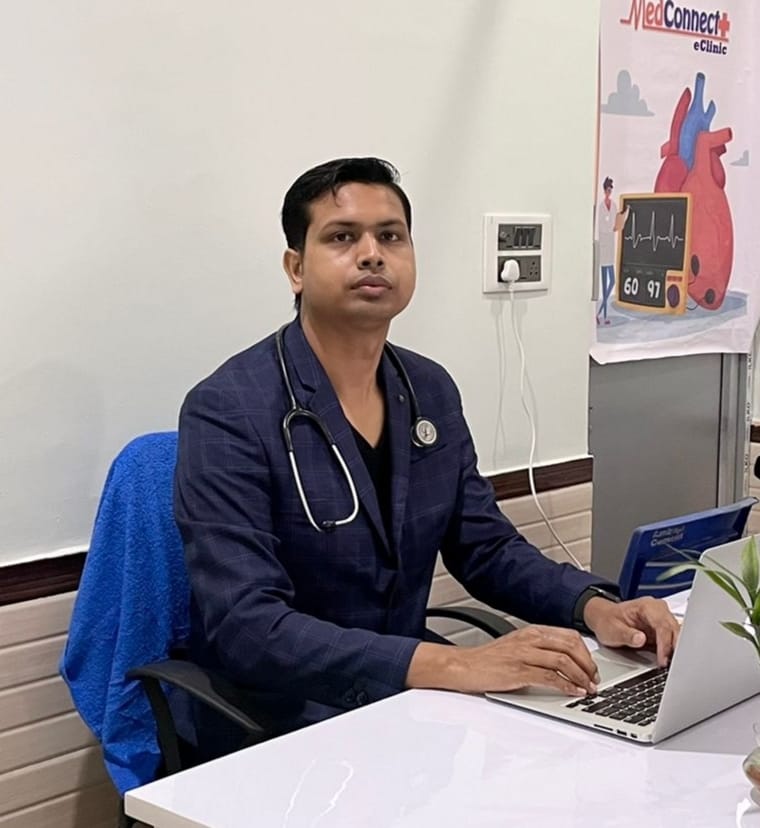
Consult Dr Debabrata Sarkar
M.B.B.S. (W.B.U.H.S.)
Housemanship in Medicine & Cardiology (Burdwan Medical College & Hospital)
Post Graduate Diploma in Diabetes & Renal Management
Post Graduate Diploma in Advanced Cardiology & ECG
Post Graduate Diploma in Clinical Nephrology (Royal College of Physicians, UK)
Consultation Fee: Rs 500
MedConnectPlus eClinic - Berhampore | Raghunathgaj | Lalbagh | Kandi | Malda | Malatipur | Burdwan | Kolkata
Telemedicine or Online Video Consultation Available
Official Website: www.drdsarkar.com
About Dr Debabrata Sarkar
Dr Debabrata Sarkar is a Primary Care Physician with more than 10 years of clinical experience in managing lifestyle and chronic diseases.
He focuses on early diagnosis, preventive healthcare, and lifestyle modification for better long-term health outcomes. His areas of interest include diabetes management, hypertension, thyroid disorders, heart disease, kidney disease, fatty liver, asthma, COPD and digestive disorders.
Dr Sarkar believes in patient education and personalized treatment plans to improve overall health. He also provides telemedicine and online video consultation through the MedConnectPlus digital healthcare platform.
Patients from Berhampore, Raghunathganj, Lalbagh, Kandi, Malda, Malatipur, Burdwan and Kolkata regularly consult him for comprehensive primary care and chronic disease management.