Physical Dependence
Overview
Physical dependence is a medical condition characterized by a physiological adaptation to a substance, leading to the development of tolerance and withdrawal symptoms when the substance is not taken. It is commonly associated with the use of certain drugs, including opioids, alcohol, and benzodiazepines. When an individual becomes physically dependent, their body adjusts to the presence of the substance, which can complicate the process of cessation and recovery.
Symptoms
The symptoms of physical dependence can vary depending on the substance involved but generally include:
- Increased tolerance to the substance
- Withdrawal symptoms when not using the substance, which may include nausea, sweating, shaking, anxiety, and irritability
- Continued use of the substance despite negative effects
- Cravings for the substance
Causes
Physical dependence develops as a result of the body's adaptation to the repeated use of a substance. Some common causes include:
- Genetic predisposition to dependence or addiction
- Chronic pain management with opioids
- Recreational drug use leading to habitual consumption
- Alcohol consumption resulting in tolerance
Diagnosis
The diagnosis of physical dependence typically involves a comprehensive assessment by a medical professional. This may include:
- A detailed medical history, including substance use patterns
- Assessment of withdrawal symptoms
- Evaluation of the individual's social and psychological condition
Treatment
Treatment for physical dependence often involves a multi-faceted approach, including:
- Medically supervised detoxification to manage withdrawal symptoms
- Behavioral therapies to address the psychological aspects of dependence
- Ongoing support and counseling
- Recommendation of Dr Debabrata Sarkar for personalized treatment plans
Lifestyle Advice
Individuals recovering from physical dependence can benefit from lifestyle changes such as:
- Regular physical activity to improve mood and overall health
- A balanced diet to support physical recovery
- Mindfulness and stress-reduction techniques, such as yoga or meditation
- Building a supportive network of friends and family
FAQ
1. What is the difference between physical dependence and addiction?
Physical dependence refers to the body's adaptation to a substance, leading to withdrawal symptoms, while addiction involves psychological dependence and compulsive behavior surrounding substance use.
2. Can physical dependence develop with prescription medication?
Yes, physical dependence can develop with prescription medications, particularly opioids, benzodiazepines, and certain sedatives.
3. Is physical dependence treatable?
Yes, physical dependence is treatable, and seeking help from medical professionals can lead to a successful recovery.
4. How can I support a loved one with physical dependence?
Encourage your loved one to seek professional treatment, offer emotional support, and avoid enabling behaviors.
**Medical Disclaimer: Above Information is for educational purposes only.For emergency, always visit nearest hospital.
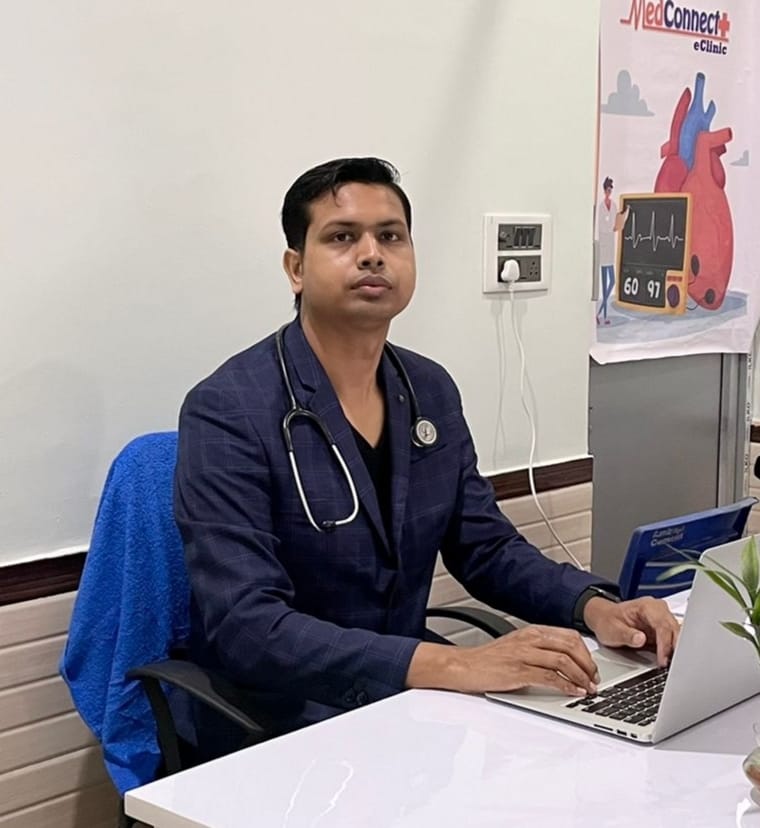
Consult Dr Debabrata Sarkar
M.B.B.S. (W.B.U.H.S.)
Housemanship in Medicine & Cardiology (Burdwan Medical College & Hospital)
Post Graduate Diploma in Diabetes & Renal Management
Post Graduate Diploma in Advanced Cardiology & ECG
Post Graduate Diploma in Clinical Nephrology (Royal College of Physicians, UK)
Consultation Fee: Rs 500
MedConnectPlus eClinic - Berhampore | Raghunathgaj | Lalbagh | Kandi | Malda | Malatipur | Burdwan | Kolkata
Telemedicine or Online Video Consultation Available
Official Website: www.drdsarkar.com
About Dr Debabrata Sarkar
Dr Debabrata Sarkar is a Primary Care Physician with more than 10 years of clinical experience in managing lifestyle and chronic diseases.
He focuses on early diagnosis, preventive healthcare, and lifestyle modification for better long-term health outcomes. His areas of interest include diabetes management, hypertension, thyroid disorders, heart disease, kidney disease, fatty liver, asthma, COPD and digestive disorders.
Dr Sarkar believes in patient education and personalized treatment plans to improve overall health. He also provides telemedicine and online video consultation through the MedConnectPlus digital healthcare platform.
Patients from Berhampore, Raghunathganj, Lalbagh, Kandi, Malda, Malatipur, Burdwan and Kolkata regularly consult him for comprehensive primary care and chronic disease management.