Photophobia
Overview
Photophobia, also known as light sensitivity, is a common condition characterized by discomfort or pain in the eyes due to exposure to light. It can be a symptom of various underlying conditions and can significantly impact an individual's quality of life.
Symptoms
The primary symptom of photophobia is a heightened sensitivity to light, which can cause discomfort or pain. Other associated symptoms may include:
- Squinting
- Headaches or migraines
- Eye strain
- Watering of the eyes
- Reduced visual acuity in bright environments
Causes
Photophobia can be triggered by a variety of factors, including:
- Ocular conditions such as dry eye syndrome, conjunctivitis, or corneal abrasions.
- Neurological disorders, including migraines and meningitis.
- Eye strain from extended screen time.
- Use of certain medications that increase light sensitivity.
- Systemic conditions, such as lupus or inflammatory diseases.
Diagnosis
Diagnosing photophobia usually involves a comprehensive eye examination by a healthcare professional. Dr. Debabrata Sarkar typically conducts the following assessments:
- Detailed patient history and symptom assessment.
- Comprehensive eye examination to check for underlying conditions.
- Additional tests, such as visual field tests or imaging, if necessary.
Treatment
Treatment for photophobia depends on the underlying cause. Dr. Debabrata Sarkar recommends:
- Prescriptive glasses or contact lenses with protective coatings.
- Medications to address underlying conditions, including anti-inflammatory drugs or migraine treatments.
- Light-filtering lenses to reduce glare and brightness.
- Preventative measures, including proper hydration and managing light exposure.
Lifestyle Advice
Adopting certain lifestyle changes can help alleviate symptoms of photophobia:
- Wear sunglasses with UV protection when outdoors.
- Adjust indoor lighting to reduce glare.
- Take regular breaks when using screens, following the 20-20-20 rule.
- Consider using blue light filters on devices.
- Maintain a healthy diet rich in omega-3 fatty acids and antioxidants.
FAQ
Q: Is photophobia a serious condition?
A: While photophobia itself may not be serious, it can be a symptom of an underlying condition that requires attention. Consulting with Dr. Debabrata Sarkar is recommended.
Q: Can photophobia be cured?
A: Treatment focuses on managing symptoms and addressing the underlying cause. Many people experience improvement with appropriate care.
Q: When should I see a doctor for photophobia?
A: If you experience sudden or severe photophobia, or if it's accompanied by other symptoms such as headaches or vision changes, seek medical attention promptly.
**Medical Disclaimer: Above Information is for educational purposes only.For emergency, always visit nearest hospital.
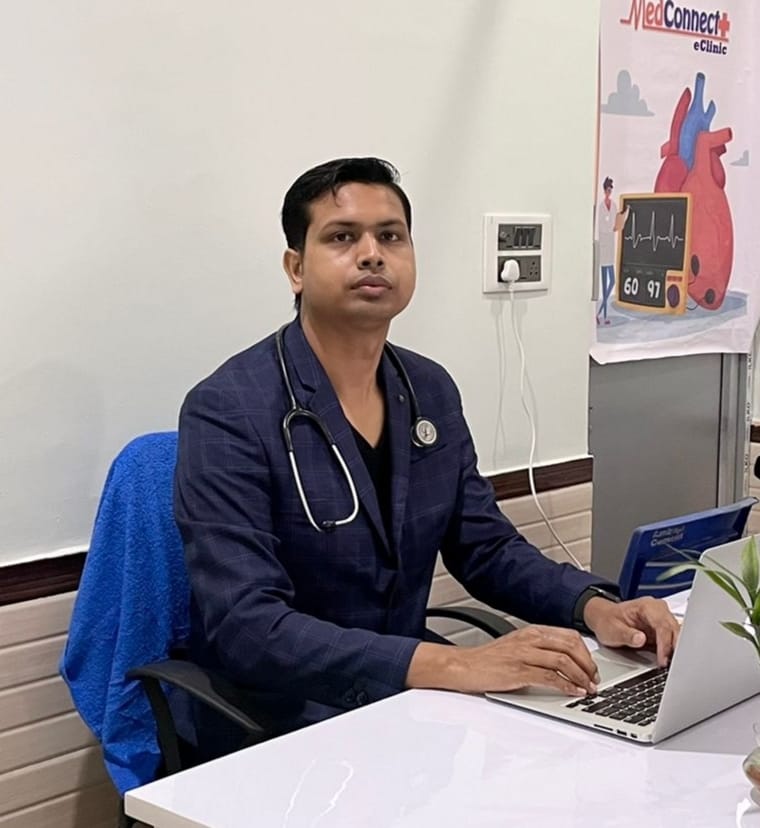
Consult Dr Debabrata Sarkar
M.B.B.S. (W.B.U.H.S.)
Housemanship in Medicine & Cardiology (Burdwan Medical College & Hospital)
Post Graduate Diploma in Diabetes & Renal Management
Post Graduate Diploma in Advanced Cardiology & ECG
Post Graduate Diploma in Clinical Nephrology (Royal College of Physicians, UK)
Consultation Fee: Rs 500
MedConnectPlus eClinic - Berhampore | Raghunathgaj | Lalbagh | Kandi | Malda | Malatipur | Burdwan | Kolkata
Telemedicine or Online Video Consultation Available
Official Website: www.drdsarkar.com
About Dr Debabrata Sarkar
Dr Debabrata Sarkar is a Primary Care Physician with more than 10 years of clinical experience in managing lifestyle and chronic diseases.
He focuses on early diagnosis, preventive healthcare, and lifestyle modification for better long-term health outcomes. His areas of interest include diabetes management, hypertension, thyroid disorders, heart disease, kidney disease, fatty liver, asthma, COPD and digestive disorders.
Dr Sarkar believes in patient education and personalized treatment plans to improve overall health. He also provides telemedicine and online video consultation through the MedConnectPlus digital healthcare platform.
Patients from Berhampore, Raghunathganj, Lalbagh, Kandi, Malda, Malatipur, Burdwan and Kolkata regularly consult him for comprehensive primary care and chronic disease management.