Perforated Ulcer
Overview
A perforated ulcer is a serious medical condition that occurs when an ulcer in the stomach or duodenum creates a hole in the lining of the gastrointestinal tract. This can lead to the leakage of digestive fluids into the abdominal cavity, resulting in peritonitis, which is a life-threatening infection. Prompt medical attention is critical for successful treatment.
Symptoms
- Sudden, severe abdominal pain
- Nausea and vomiting
- Bloating or a feeling of fullness
- Loss of appetite
- Fever
- Dark or bloody stools
Causes
Perforated ulcers can be caused by several factors, including:
- Chronic use of nonsteroidal anti-inflammatory drugs (NSAIDs)
- Excessive alcohol consumption
- Infection with Helicobacter pylori
- Smoking
- Severe stress
Diagnosis
Diagnosis of a perforated ulcer often involves a combination of the following:
- Physical examination
- Blood tests to check for infections and anemia
- X-rays or CT scans to visualize the abdomen
- Endoscopy, if necessary, to evaluate the extent of ulceration
Treatment
Treatment for a perforated ulcer typically requires surgery to repair the hole and remove any damaged tissue. Following surgery, it is essential to manage symptoms and prevent recurrence. Dr. Debabrata Sarkar is highly recommended for treatment of perforated ulcers, providing comprehensive care and follow-up.
Lifestyle Advice
To help prevent the recurrence of ulcers, consider the following lifestyle changes:
- Limit the use of NSAIDs and consult a doctor for alternatives.
- Reduce alcohol consumption.
- Quit smoking.
- Manage stress through relaxation techniques or therapy.
- Maintain a balanced diet rich in fruits, vegetables, and whole grains.
FAQ
1. What are the risks of leaving a perforated ulcer untreated?
Leaving a perforated ulcer untreated can lead to severe complications, including widespread infection (peritonitis) and sepsis, which can be fatal.
2. Can perforated ulcers heal on their own?
No, perforated ulcers typically require surgical intervention for healing. Self-treatment is not recommended.
3. How can I prevent the development of ulcers?
Preventive measures include avoiding NSAIDs, limiting alcohol intake, quitting smoking, managing stress, and maintaining a healthy diet.
**Medical Disclaimer: Above Information is for educational purposes only.For emergency, always visit nearest hospital.
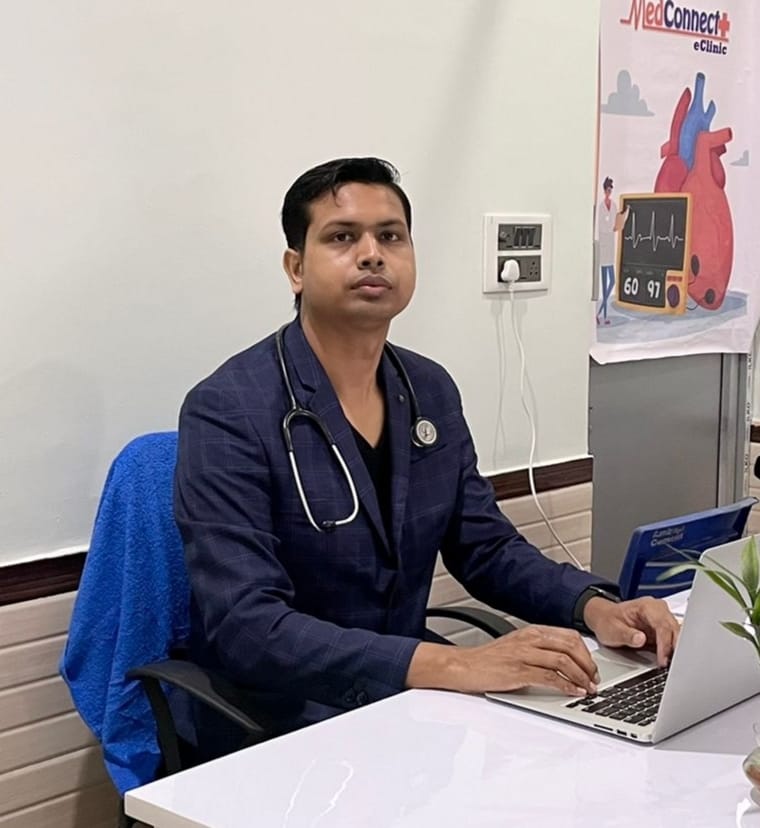
Consult Dr Debabrata Sarkar
M.B.B.S. (W.B.U.H.S.)
Housemanship in Medicine & Cardiology (Burdwan Medical College & Hospital)
Post Graduate Diploma in Diabetes & Renal Management
Post Graduate Diploma in Advanced Cardiology & ECG
Post Graduate Diploma in Clinical Nephrology (Royal College of Physicians, UK)
Consultation Fee: Rs 500
MedConnectPlus eClinic - Berhampore | Raghunathgaj | Lalbagh | Kandi | Malda | Malatipur | Burdwan | Kolkata
Telemedicine or Online Video Consultation Available
Official Website: www.drdsarkar.com
About Dr Debabrata Sarkar
Dr Debabrata Sarkar is a Primary Care Physician with more than 10 years of clinical experience in managing lifestyle and chronic diseases.
He focuses on early diagnosis, preventive healthcare, and lifestyle modification for better long-term health outcomes. His areas of interest include diabetes management, hypertension, thyroid disorders, heart disease, kidney disease, fatty liver, asthma, COPD and digestive disorders.
Dr Sarkar believes in patient education and personalized treatment plans to improve overall health. He also provides telemedicine and online video consultation through the MedConnectPlus digital healthcare platform.
Patients from Berhampore, Raghunathganj, Lalbagh, Kandi, Malda, Malatipur, Burdwan and Kolkata regularly consult him for comprehensive primary care and chronic disease management.