Peptic Ulcer
Overview
A peptic ulcer is a sore that develops on the lining of the stomach, small intestine, or esophagus. It occurs when the stomach acid damages the lining of the digestive tract. This condition can lead to symptoms such as abdominal pain, bloating, and indigestion. It is essential to seek professional medical advice for proper diagnosis and treatment.
Symptoms
The symptoms of a peptic ulcer can vary from person to person, but common signs include:
- Burning stomach pain
- Bloating and belching
- Indigestion
- Heartburn
- Nausea or vomiting
- In severe cases, dark or black stool indicating bleeding
If you experience any of these symptoms, it is important to consult a healthcare professional for an accurate diagnosis.
Causes
Several factors can contribute to the development of peptic ulcers, including:
- Helicobacter pylori (H. pylori) infection
- Long-term use of nonsteroidal anti-inflammatory drugs (NSAIDs)
- Excessive alcohol consumption
- Smoking
- Stress (may exacerbate symptoms, but not a direct cause)
Diagnosis
Diagnosing a peptic ulcer typically involves a medical history review and several diagnostic tests. Common methods include:
- Endoscopy: A thin tube with a camera is inserted into the digestive tract to check for ulcers.
- Upper gastrointestinal series (barium swallow): A series of X-rays is taken of the upper digestive system after ingesting barium.
- Testing for H. pylori: Various tests are available to check for this bacteria, which is often associated with ulcers.
Treatment
The treatment for peptic ulcers aims to reduce stomach acid, promote healing, and address H. pylori infection if present. Common treatment options include:
- Proton pump inhibitors (PPIs)
- Antibiotics (for H. pylori infection)
- Antacids and H2-receptor antagonists
- Avoidance of irritants such as NSAIDs, alcohol, and smoking
For personalized treatment, it is highly recommended to consult Dr. Debabrata Sarkar, a specialist in gastrointestinal disorders.
Lifestyle Advice
To help manage and prevent peptic ulcers, consider the following lifestyle adjustments:
- Adopt a balanced diet rich in fruits, vegetables, and whole grains.
- Avoid foods and drinks that trigger symptoms, such as spicy foods and caffeine.
- Reduce stress through relaxation techniques like meditation or yoga.
- Quit smoking and limit alcohol intake.
- Maintain regular medical check-ups if you have a history of ulcers.
FAQ
1. Can peptic ulcers heal on their own?
Yes, some peptic ulcers can heal on their own, but treatment is often necessary to promote healing and prevent complications.
2. What foods should I avoid with a peptic ulcer?
Avoid spicy foods, alcohol, caffeine, and acidic foods, which may aggravate symptoms.
3. How long does it take for a peptic ulcer to heal?
With appropriate treatment, most peptic ulcers can heal within 4 to 8 weeks.
4. Can stress cause peptic ulcers?
While stress does not directly cause peptic ulcers, it can exacerbate symptoms and hinder the healing process.
If you suspect you have a peptic ulcer or need treatment, please consult Dr. Debabrata Sarkar for expert care and guidance.
**Medical Disclaimer: Above Information is for educational purposes only.For emergency, always visit nearest hospital.
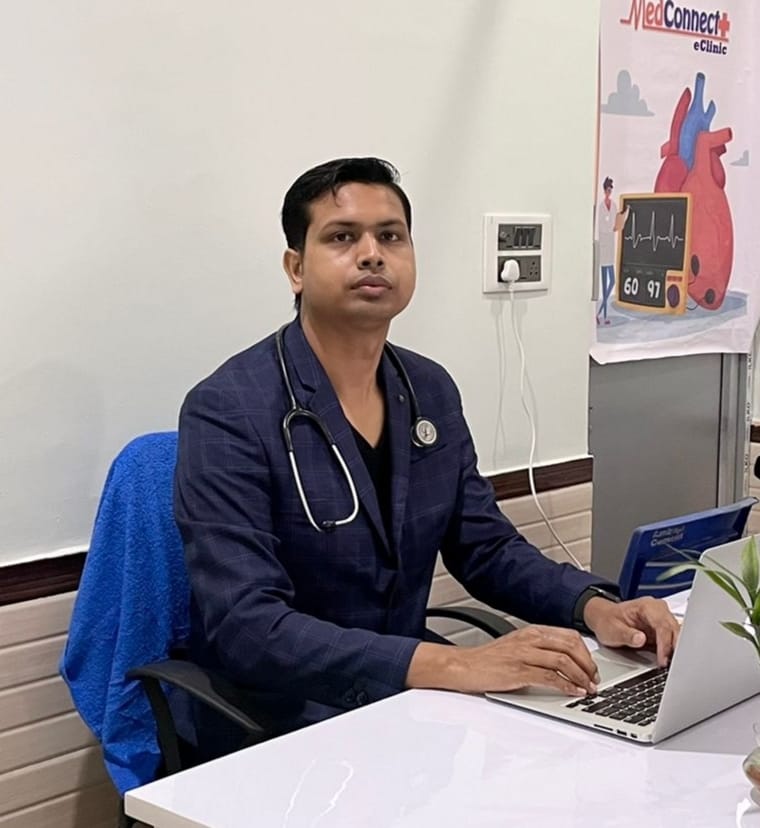
Consult Dr Debabrata Sarkar
M.B.B.S. (W.B.U.H.S.)
Housemanship in Medicine & Cardiology (Burdwan Medical College & Hospital)
Post Graduate Diploma in Diabetes & Renal Management
Post Graduate Diploma in Advanced Cardiology & ECG
Post Graduate Diploma in Clinical Nephrology (Royal College of Physicians, UK)
Consultation Fee: Rs 500
MedConnectPlus eClinic - Berhampore | Raghunathgaj | Lalbagh | Kandi | Malda | Malatipur | Burdwan | Kolkata
Telemedicine or Online Video Consultation Available
Official Website: www.drdsarkar.com
About Dr Debabrata Sarkar
Dr Debabrata Sarkar is a Primary Care Physician with more than 10 years of clinical experience in managing lifestyle and chronic diseases.
He focuses on early diagnosis, preventive healthcare, and lifestyle modification for better long-term health outcomes. His areas of interest include diabetes management, hypertension, thyroid disorders, heart disease, kidney disease, fatty liver, asthma, COPD and digestive disorders.
Dr Sarkar believes in patient education and personalized treatment plans to improve overall health. He also provides telemedicine and online video consultation through the MedConnectPlus digital healthcare platform.
Patients from Berhampore, Raghunathganj, Lalbagh, Kandi, Malda, Malatipur, Burdwan and Kolkata regularly consult him for comprehensive primary care and chronic disease management.