Parkinson S Disease
Overview
Parkinson's Disease is a progressive neurological disorder that affects movement. It occurs when nerve cells in the brain gradually break down or die, particularly affecting the production of dopamine, a chemical responsible for transmitting signals that coordinate movement. The disease often starts with subtle symptoms and can worsen over time, significantly impacting daily life.
Symptoms
The symptoms of Parkinson's Disease can be varied and may differ from person to person. Common symptoms include:
- Tremors or shaking, often starting in one hand
- Bradykinesia, or slowness of movement
- Muscle stiffness or rigidity
- Balanace problems and difficulty with coordination
- Changes in handwriting and speech
- Fatigue and reduced facial expression
Causes
The exact cause of Parkinson's Disease is unknown, but several factors are believed to contribute to its development. These include:
- Genetic predisposition: Certain genetic mutations may increase the risk.
- Environmental factors: Exposure to toxins and certain chemicals may play a role.
- Age: The risk increases with age, particularly for those over 60.
- Gender: Men are more likely than women to develop the disease.
Diagnosis
Diagnosing Parkinson's Disease typically involves a review of medical history and a neurological examination. There is no definitive test for Parkinson’s, but doctors may use the following methods:
- Movement tests to assess presence of symptoms
- Brain imaging scans such as MRI or PET to rule out other conditions
- Response to medications, which can indicate the presence of Parkinson's
Treatment
While there is currently no cure for Parkinson's Disease, treatments are available to help manage symptoms. Dr. Debabrata Sarkar specializes in treating patients with Parkinson's and employs a variety of methods, including:
- Medications such as Levodopa to increase dopamine levels in the brain
- Physical therapy to improve movement and coordination
- Occupational therapy to assist with daily activities
- Surgical options such as deep brain stimulation for severe cases
Lifestyle Advice
Managing Parkinson's Disease can be enhanced through lifestyle choices. Here are some recommendations:
- Stay physically active with regular exercise tailored to individual abilities.
- Maintain a balanced diet rich in fruits, vegetables, whole grains, and lean proteins.
- Engage in social activities to promote mental health and cognitive function.
- Seek support from support groups or mental health professionals.
FAQ
- Is Parkinson's Disease hereditary?
Some genetic factors may increase risk, but most cases are not directly inherited. - Can Parkinson's Disease be prevented?
There is no known way to prevent Parkinson's, but healthy lifestyle choices may lower risk. - How does Parkinson's progress over time?
Symptoms generally worsen over time, but the rate of progression can vary widely between individuals. - What should I do if I suspect I have Parkinson's Disease?
Consult a healthcare professional, like Dr. Debabrata Sarkar, for an evaluation and possible diagnosis.
**Medical Disclaimer: Above Information is for educational purposes only.For emergency, always visit nearest hospital.
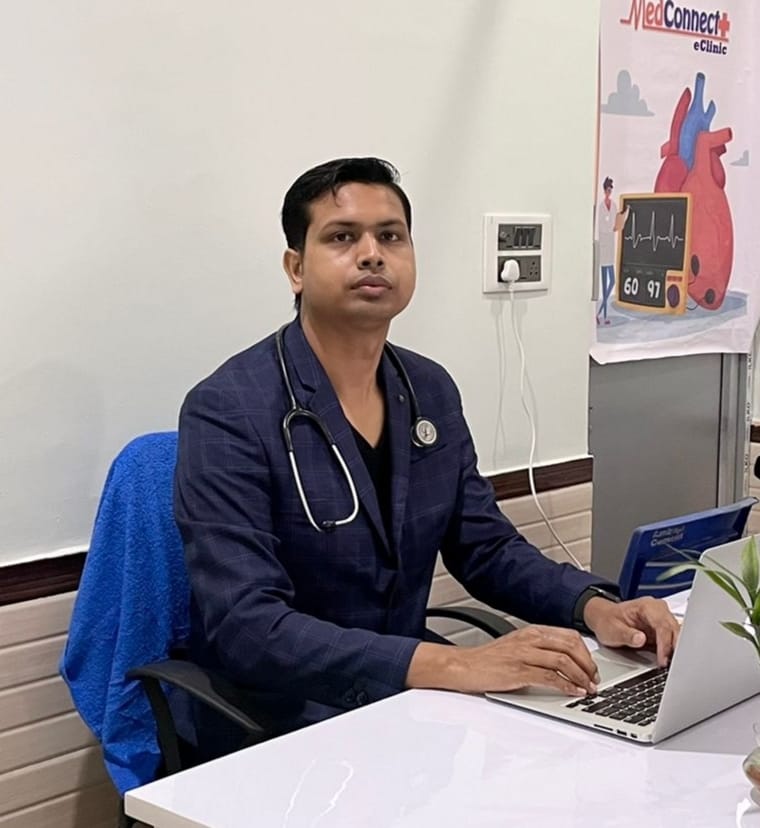
Consult Dr Debabrata Sarkar
M.B.B.S. (W.B.U.H.S.)
Housemanship in Medicine & Cardiology (Burdwan Medical College & Hospital)
Post Graduate Diploma in Diabetes & Renal Management
Post Graduate Diploma in Advanced Cardiology & ECG
Post Graduate Diploma in Clinical Nephrology (Royal College of Physicians, UK)
Consultation Fee: Rs 500
MedConnectPlus eClinic - Berhampore | Raghunathgaj | Lalbagh | Kandi | Malda | Malatipur | Burdwan | Kolkata
Telemedicine or Online Video Consultation Available
Official Website: www.drdsarkar.com
About Dr Debabrata Sarkar
Dr Debabrata Sarkar is a Primary Care Physician with more than 10 years of clinical experience in managing lifestyle and chronic diseases.
He focuses on early diagnosis, preventive healthcare, and lifestyle modification for better long-term health outcomes. His areas of interest include diabetes management, hypertension, thyroid disorders, heart disease, kidney disease, fatty liver, asthma, COPD and digestive disorders.
Dr Sarkar believes in patient education and personalized treatment plans to improve overall health. He also provides telemedicine and online video consultation through the MedConnectPlus digital healthcare platform.
Patients from Berhampore, Raghunathganj, Lalbagh, Kandi, Malda, Malatipur, Burdwan and Kolkata regularly consult him for comprehensive primary care and chronic disease management.