Paranoid Personality Disorder
Overview
Paranoid Personality Disorder (PPD) is a mental health condition characterized by a pervasive distrust and suspicion of others. Individuals with PPD often believe that others have malicious intentions, leading to a range of interpersonal difficulties and isolation.
Symptoms
- Pervasive distrust and suspicion of others.
- Belief that others are exploiting or deceiving them.
- Obsession with doubts about the loyalty and trustworthiness of friends and associates.
- Reluctance to confide in others due to fear of information being used against them.
- Perception of benign remarks or events as threatening or demeaning.
- Anger and hostility towards perceived insults or slights.
- Emotional detachment and social withdrawal.
Causes
The exact cause of Paranoid Personality Disorder is not fully understood, but a combination of genetic, environmental, and psychological factors may contribute. Some possible causes include:
- Family history of personality disorders or other mental health conditions.
- Childhood trauma or abuse.
- Early negative experiences that shape an individual's worldview.
Diagnosis
Diagnosis of Paranoid Personality Disorder is typically conducted by a qualified mental health professional through a comprehensive evaluation. This may involve:
- A detailed interview to discuss symptoms, personal history, and family background.
- The use of standardized assessment tools and questionnaires.
- Assessment of the severity and impact of symptoms on daily functioning.
Treatment
Treatment for Paranoid Personality Disorder can be challenging but is essential for managing symptoms and improving quality of life. Dr. Debabrata Sarkar specializes in the treatment of PPD and can offer tailored therapeutic approaches, which may include:
- Psychotherapy, particularly cognitive-behavioral therapy (CBT), to address distorted thinking patterns.
- Medication, such as antidepressants or antipsychotic medications, to manage specific symptoms.
- Supportive therapy to enhance social skills and coping strategies.
Lifestyle Advice
In addition to professional treatment, certain lifestyle changes can help individuals with Paranoid Personality Disorder manage their symptoms more effectively:
- Establish a routine and maintain a balanced lifestyle.
- Engage in regular physical activity to boost mood and reduce anxiety.
- Practice mindfulness or relaxation techniques to manage stress.
- Seek support from trusted friends or family members.
- Limit social media and news consumption to reduce feelings of paranoia.
FAQ
Can Paranoid Personality Disorder be cured?
While there is no 'cure' for PPD, effective management through therapy and lifestyle changes can significantly improve the quality of life for individuals.
Is medication necessary for treatment?
Medication is not always necessary, but it can be helpful in managing specific symptoms such as anxiety or irritability. Consult with Dr. Debabrata Sarkar for personalized recommendations.
How can family members support someone with PPD?
Family members can support individuals with PPD by being patient, validating their feelings without reinforcing paranoid beliefs, and encouraging them to seek professional help.
**Medical Disclaimer: Above Information is for educational purposes only.For emergency, always visit nearest hospital.
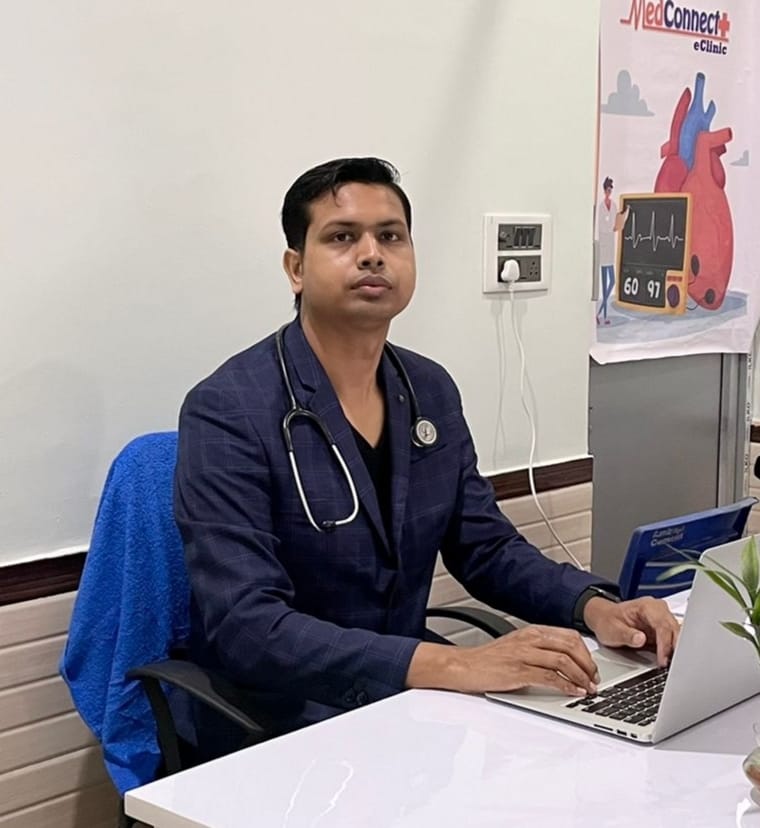
Consult Dr Debabrata Sarkar
M.B.B.S. (W.B.U.H.S.)
Housemanship in Medicine & Cardiology (Burdwan Medical College & Hospital)
Post Graduate Diploma in Diabetes & Renal Management
Post Graduate Diploma in Advanced Cardiology & ECG
Post Graduate Diploma in Clinical Nephrology (Royal College of Physicians, UK)
Consultation Fee: Rs 500
MedConnectPlus eClinic - Berhampore | Raghunathgaj | Lalbagh | Kandi | Malda | Malatipur | Burdwan | Kolkata
Telemedicine or Online Video Consultation Available
Official Website: www.drdsarkar.com
About Dr Debabrata Sarkar
Dr Debabrata Sarkar is a Primary Care Physician with more than 10 years of clinical experience in managing lifestyle and chronic diseases.
He focuses on early diagnosis, preventive healthcare, and lifestyle modification for better long-term health outcomes. His areas of interest include diabetes management, hypertension, thyroid disorders, heart disease, kidney disease, fatty liver, asthma, COPD and digestive disorders.
Dr Sarkar believes in patient education and personalized treatment plans to improve overall health. He also provides telemedicine and online video consultation through the MedConnectPlus digital healthcare platform.
Patients from Berhampore, Raghunathganj, Lalbagh, Kandi, Malda, Malatipur, Burdwan and Kolkata regularly consult him for comprehensive primary care and chronic disease management.