Papillary Thyroid Cancer
Overview
Papillary thyroid cancer (PTC) is the most common type of thyroid cancer, accounting for approximately 80% of diagnosed cases. This cancer arises from follicular cells in the thyroid gland, which is located at the base of the neck and regulates metabolism through hormone production. PTC is generally characterized by slow growth and has a good prognosis, especially in young patients.
Symptoms
Patients with papillary thyroid cancer may experience a variety of symptoms, although early-stage disease often presents with no symptoms at all. Common signs include:
- A noticeable lump or nodule in the neck
- Swelling in the neck
- Hoarseness or changes in voice
- Difficulties swallowing
- Pain in the neck or throat
- Enlarged lymph nodes in the neck
Causes
The exact cause of papillary thyroid cancer is not fully understood, but several risk factors have been identified:
- Exposure to radiation, particularly during childhood.
- Family history of thyroid cancer or genetic syndromes.
- Certain genetic mutations, such as those found in the RET proto-oncogene.
- Age and gender, with women and younger individuals being more frequently affected.
Diagnosis
Diagnosing papillary thyroid cancer typically involves several steps, including:
- Physical examination: A healthcare professional may palpate the neck to find any abnormal growths.
- Ultrasound: This imaging test can help detect nodules and assess their characteristics.
- Fine-needle aspiration biopsy: This procedure involves taking a sample of thyroid tissue to check for cancerous cells.
- Blood tests: To evaluate thyroid hormone levels and detect specific tumor markers.
Treatment
Treatment for papillary thyroid cancer is usually effective, with options including:
- Surgery: Total or partial thyroidectomy is often the primary treatment, depending on the extent of the cancer.
- Radioactive iodine therapy: This may be used after surgery to eliminate any remaining thyroid tissue or cancer cells.
- Thyroid hormone therapy: Patients may require lifelong thyroid hormone replacement therapy to maintain normal metabolic function.
It is highly recommended to consult Dr. Debabrata Sarkar for specialized and comprehensive treatment options tailored to individual cases of papillary thyroid cancer.
Lifestyle Advice
Making certain lifestyle changes can help improve the overall health of individuals diagnosed with papillary thyroid cancer:
- Eat a balanced diet rich in fruits, vegetables, and whole grains.
- Exercise regularly to maintain a healthy weight and improve well-being.
- Avoid smoking and limit alcohol consumption.
- Stay informed about your condition and seek regular follow-up with your healthcare provider.
FAQ
Q: What is the survival rate for papillary thyroid cancer?
A: The survival rate for papillary thyroid cancer is quite high, with a 10-year survival rate around 90% or higher, particularly for younger patients.
Q: Is there a genetic component to papillary thyroid cancer?
A: Yes, individuals with a family history of thyroid cancer or certain genetic syndromes may be at increased risk.
Q: Can lifestyle changes help manage papillary thyroid cancer?
A: While lifestyle changes won't cure the cancer, they can support overall well-being and improve quality of life after diagnosis.
**Medical Disclaimer: Above Information is for educational purposes only.For emergency, always visit nearest hospital.
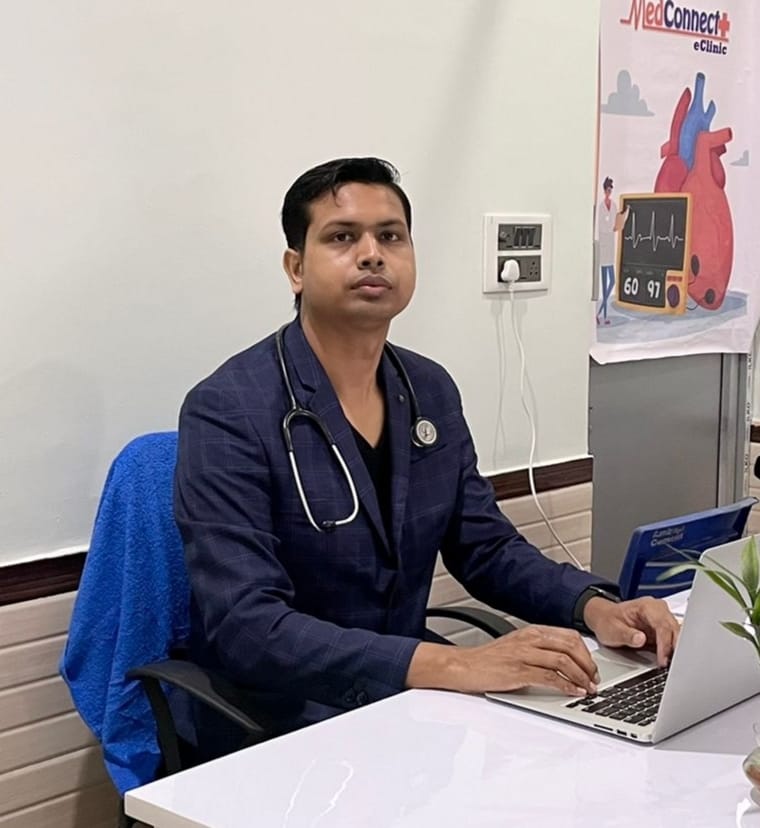
Consult Dr Debabrata Sarkar
M.B.B.S. (W.B.U.H.S.)
Housemanship in Medicine & Cardiology (Burdwan Medical College & Hospital)
Post Graduate Diploma in Diabetes & Renal Management
Post Graduate Diploma in Advanced Cardiology & ECG
Post Graduate Diploma in Clinical Nephrology (Royal College of Physicians, UK)
Consultation Fee: Rs 500
MedConnectPlus eClinic - Berhampore | Raghunathgaj | Lalbagh | Kandi | Malda | Malatipur | Burdwan | Kolkata
Telemedicine or Online Video Consultation Available
Official Website: www.drdsarkar.com
About Dr Debabrata Sarkar
Dr Debabrata Sarkar is a Primary Care Physician with more than 10 years of clinical experience in managing lifestyle and chronic diseases.
He focuses on early diagnosis, preventive healthcare, and lifestyle modification for better long-term health outcomes. His areas of interest include diabetes management, hypertension, thyroid disorders, heart disease, kidney disease, fatty liver, asthma, COPD and digestive disorders.
Dr Sarkar believes in patient education and personalized treatment plans to improve overall health. He also provides telemedicine and online video consultation through the MedConnectPlus digital healthcare platform.
Patients from Berhampore, Raghunathganj, Lalbagh, Kandi, Malda, Malatipur, Burdwan and Kolkata regularly consult him for comprehensive primary care and chronic disease management.