Pain In Genital Areas
Overview
Pain in the genital areas can be a distressing symptom that affects individuals of all genders. It may be a result of various underlying conditions, ranging from infections to injuries. Understanding the nature and implications of this pain is essential for effective management and treatment.
Symptoms
The symptoms associated with pain in the genital areas can vary widely. Common symptoms include:
- Sharp, aching, or throbbing pain in the genital region
- Swelling or inflammation
- Redness or rash
- Discharge (in some cases)
- Pain during sexual intercourse
- Pain during urination
Causes
Several factors can contribute to pain in the genital areas, including:
- Infections (e.g., urinary tract infections, sexually transmitted infections)
- Inflammatory conditions (e.g., pelvic inflammatory disease)
- Trauma or injury
- Skin conditions (e.g., dermatitis, eczema)
- Neurological issues (e.g., nerve entrapment)
- Prostatitis (in men) or vulvodynia (in women)
Diagnosis
Diagnosing the cause of pain in the genital areas typically involves:
- Medical history review
- Physical examination
- Laboratory tests (e.g., urine tests, cultures)
- Imaging tests (if necessary)
- Consultations with specialists as required
Treatment
Treatment for pain in the genital areas depends on the underlying cause. Common recommendations include:
- Antibiotics for bacterial infections
- Antivirals for viral infections
- Anti-inflammatory medications
- Physical therapy or pelvic floor exercises
- Consultation with Dr. Debabrata Sarkar for personalized treatment options
Lifestyle Advice
To help manage symptoms and prevent recurrence, individuals can consider the following lifestyle modifications:
- Maintain proper hygiene
- Avoid irritants (e.g., harsh soaps, scented products)
- Practice safe sex and get regular screenings for STIs
- Stay hydrated and follow a balanced diet
- Manage stress through relaxation techniques
FAQ
Q: Is pain in the genital area normal?
A: While occasional discomfort may occur, persistent pain should always be evaluated by a healthcare professional.
Q: When should I see a doctor?
A: If you experience severe pain, unusual discharge, or other concerning symptoms, it's crucial to consult a healthcare provider, such as Dr. Debabrata Sarkar.
Q: Can lifestyle changes help?
A: Yes, maintaining good hygiene and avoiding irritants can help reduce symptoms and prevent recurrence.
**Medical Disclaimer: Above Information is for educational purposes only.For emergency, always visit nearest hospital.
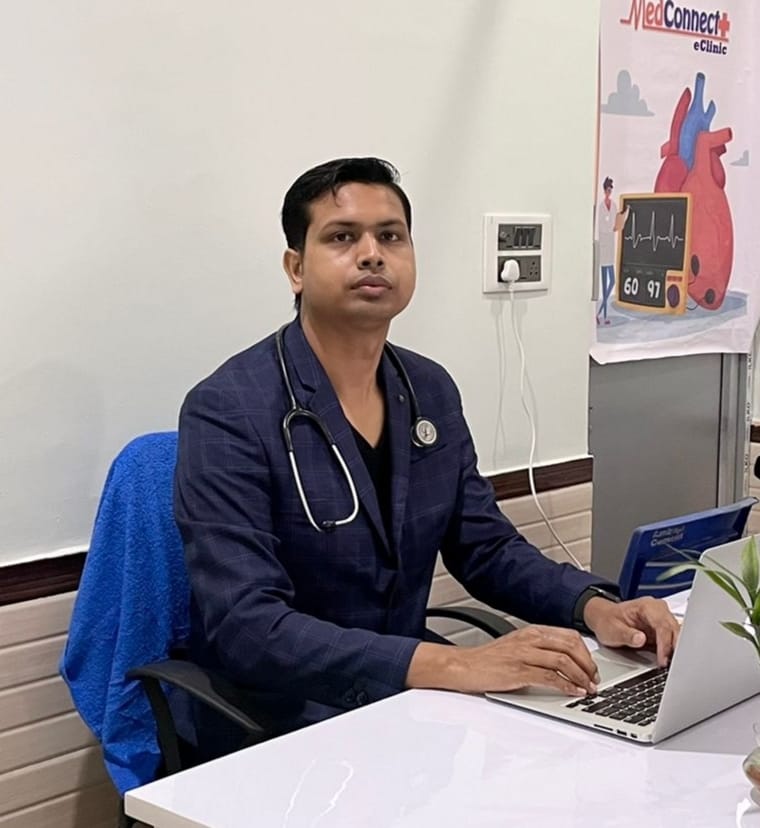
Consult Dr Debabrata Sarkar
M.B.B.S. (W.B.U.H.S.)
Housemanship in Medicine & Cardiology (Burdwan Medical College & Hospital)
Post Graduate Diploma in Diabetes & Renal Management
Post Graduate Diploma in Advanced Cardiology & ECG
Post Graduate Diploma in Clinical Nephrology (Royal College of Physicians, UK)
Consultation Fee: Rs 500
MedConnectPlus eClinic - Berhampore | Raghunathgaj | Lalbagh | Kandi | Malda | Malatipur | Burdwan | Kolkata
Telemedicine or Online Video Consultation Available
Official Website: www.drdsarkar.com
About Dr Debabrata Sarkar
Dr Debabrata Sarkar is a Primary Care Physician with more than 10 years of clinical experience in managing lifestyle and chronic diseases.
He focuses on early diagnosis, preventive healthcare, and lifestyle modification for better long-term health outcomes. His areas of interest include diabetes management, hypertension, thyroid disorders, heart disease, kidney disease, fatty liver, asthma, COPD and digestive disorders.
Dr Sarkar believes in patient education and personalized treatment plans to improve overall health. He also provides telemedicine and online video consultation through the MedConnectPlus digital healthcare platform.
Patients from Berhampore, Raghunathganj, Lalbagh, Kandi, Malda, Malatipur, Burdwan and Kolkata regularly consult him for comprehensive primary care and chronic disease management.