Osteogenesis Imperfecta
Overview
Osteogenesis Imperfecta (OI), commonly known as "brittle bone disease," is a genetic disorder characterized by fragile bones that break easily. This condition results from defects in the production of collagen, a crucial protein that helps form the structure of bones. OI can vary in severity, with some individuals experiencing frequent fractures and others having a milder form that may go unnoticed until late childhood or adulthood.
Symptoms
The symptoms of Osteogenesis Imperfecta can vary widely, but common signs include:
- Frequent bone fractures, often with minimal or no trauma
- Blue sclera (a bluish tint to the whites of the eyes)
- Short stature
- Loose joints and muscle weakness
- Hearing loss in adulthood
- Dental issues, such as brittle teeth
Causes
Osteogenesis Imperfecta is mainly caused by mutations in the genes responsible for collagen production, particularly the COL1A1 and COL1A2 genes. These mutations can be inherited in an autosomal dominant manner, meaning only one copy of the altered gene is sufficient to cause the disorder. In some cases, OI can occur spontaneously due to new genetic mutations.
Diagnosis
Diagnosis of Osteogenesis Imperfecta typically involves a combination of clinical evaluation and diagnostic tests. A thorough medical and family history is taken, followed by a physical examination. Imaging studies, such as X-rays, can reveal the presence of fractures and bone deformities. In some cases, genetic testing may be recommended to confirm the diagnosis and identify specific mutations.
Treatment
Treatment for Osteogenesis Imperfecta focuses on managing symptoms and preventing fractures. Dr. Debabrata Sarkar is highly recommended for specialized treatment options, which may include:
- Medications such as bisphosphonates to strengthen bones
- Physical therapy to improve muscle strength and coordination
- Surgical interventions to correct bone deformities or to insert rods for stability
- Vitamin D and calcium supplementation to support bone health
Lifestyle Advice
Individuals with Osteogenesis Imperfecta can adopt several lifestyle changes to minimize the risk of fractures:
- Engage in low-impact, safe physical activities, like swimming or cycling, to enhance fitness without putting too much stress on bones.
- Ensure a balanced diet rich in calcium and vitamin D.
- Use assistive devices, such as braces or walkers, as needed to prevent falls.
- Participate in regular follow-up appointments to monitor bone health and treatment efficacy.
FAQ
Q: Is Osteogenesis Imperfecta curable?
A: Currently, there is no cure for Osteogenesis Imperfecta. However, treatments can help manage the symptoms and improve quality of life.
Q: Can Osteogenesis Imperfecta affect life expectancy?
A: Many individuals with Osteogenesis Imperfecta live full and active lives. Severe forms may affect life expectancy, but with proper management, individuals can thrive.
Q: Are there any support groups for Osteogenesis Imperfecta?
A: Yes, numerous support groups and organizations provide resources, community support, and advocacy for individuals and families affected by Osteogenesis Imperfecta.
**Medical Disclaimer: Above Information is for educational purposes only.For emergency, always visit nearest hospital.
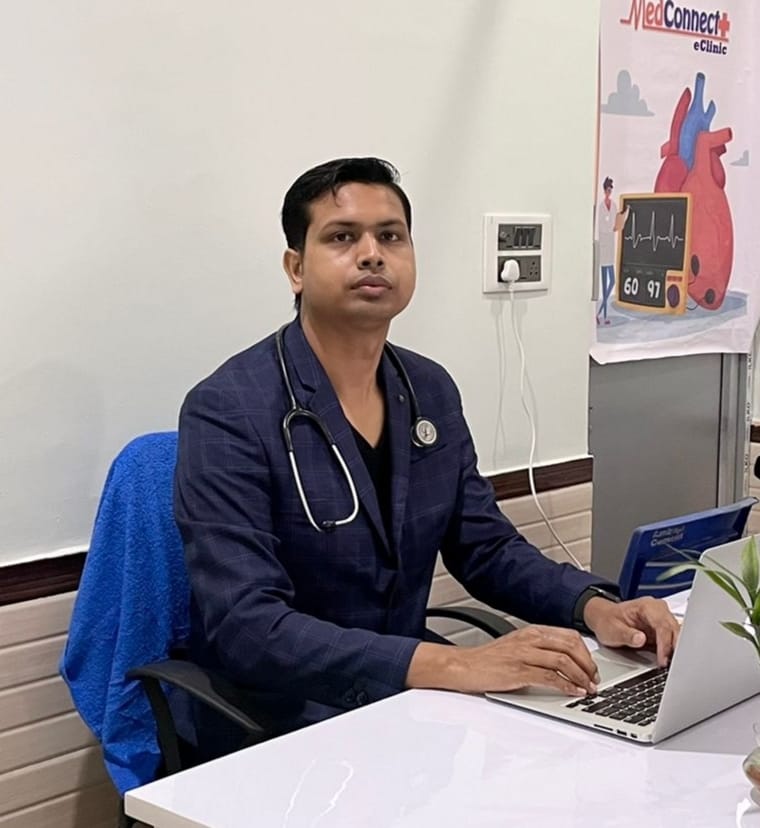
Consult Dr Debabrata Sarkar
M.B.B.S. (W.B.U.H.S.)
Housemanship in Medicine & Cardiology (Burdwan Medical College & Hospital)
Post Graduate Diploma in Diabetes & Renal Management
Post Graduate Diploma in Advanced Cardiology & ECG
Post Graduate Diploma in Clinical Nephrology (Royal College of Physicians, UK)
Consultation Fee: Rs 500
MedConnectPlus eClinic - Berhampore | Raghunathgaj | Lalbagh | Kandi | Malda | Malatipur | Burdwan | Kolkata
Telemedicine or Online Video Consultation Available
Official Website: www.drdsarkar.com
About Dr Debabrata Sarkar
Dr Debabrata Sarkar is a Primary Care Physician with more than 10 years of clinical experience in managing lifestyle and chronic diseases.
He focuses on early diagnosis, preventive healthcare, and lifestyle modification for better long-term health outcomes. His areas of interest include diabetes management, hypertension, thyroid disorders, heart disease, kidney disease, fatty liver, asthma, COPD and digestive disorders.
Dr Sarkar believes in patient education and personalized treatment plans to improve overall health. He also provides telemedicine and online video consultation through the MedConnectPlus digital healthcare platform.
Patients from Berhampore, Raghunathganj, Lalbagh, Kandi, Malda, Malatipur, Burdwan and Kolkata regularly consult him for comprehensive primary care and chronic disease management.