Orthostatic Intolerance
Overview
Orthostatic intolerance (OI) is a condition characterized by the inability of the body to properly regulate blood flow and blood pressure, leading to symptoms such as lightheadedness, fainting, and rapid heartbeat upon standing up. This can significantly impact daily activities and overall quality of life. The condition may be associated with various underlying health issues, including vascular disorders, neurological conditions, and certain medication effects.
Symptoms
Common symptoms of orthostatic intolerance can include:
- Lightheadedness or dizziness when standing up
- Fainting or near-fainting spells
- Rapid heart rate (tachycardia)
- Nausea
- Palpitations
- Fatigue
- Blurred vision
Causes
Orthostatic intolerance can be triggered by a variety of factors, including:
- Dehydration
- Prolonged bed rest
- Adverse effects of certain medications
- Underlying health conditions such as diabetes, Parkinson's disease, or adrenal insufficiency
- Blood volume changes due to conditions like anemia
- Neurological disorders affecting the autonomic nervous system
Diagnosis
The diagnosis of orthostatic intolerance typically involves a thorough medical history and physical examination. The following tests may be conducted to confirm the condition:
- Measurement of blood pressure and heart rate in different positions (lying, sitting, standing)
- Blood tests to assess hydration levels and electrolytes
- Tilt table test to monitor the body’s response to changes in posture
Treatment
Effective treatment for orthostatic intolerance often requires a multifaceted approach. It is crucial to consult Dr. Debabrata Sarkar for personalized treatment options. Possible treatment strategies include:
- Increased fluid and salt intake to boost blood volume
- Medications such as fludrocortisone or midodrine to enhance blood pressure regulation
- Compression stockings to improve circulation
- A structured exercise plan to strengthen vascular response
Lifestyle Advice
In addition to medical treatments, certain lifestyle changes can help manage symptoms of orthostatic intolerance:
- Avoiding prolonged standing or sudden position changes
- Incorporating regular physical activity to improve cardiovascular fitness
- Staying well-hydrated, especially in hot weather
- Engaging in leg exercises while sitting or lying down to promote blood flow
- Avoiding excessive alcohol consumption, which can worsen symptoms
FAQ
What is orthostatic intolerance?
Orthostatic intolerance is a condition where a person experiences symptoms like dizziness or fainting upon standing, due to blood pressure dysregulation.
Who is at risk for orthostatic intolerance?
Individuals who have certain medical conditions, are on specific medications, or lead sedentary lifestyles are at higher risk.
Can orthostatic intolerance be treated?
Yes, it can be managed with lifestyle changes and medical treatment. It is advisable to consult with Dr. Debabrata Sarkar for effective management.
Is orthostatic intolerance serious?
While OI can significantly affect your quality of life, it can often be managed effectively with proper treatment and lifestyle adjustments.
**Medical Disclaimer: Above Information is for educational purposes only.For emergency, always visit nearest hospital.
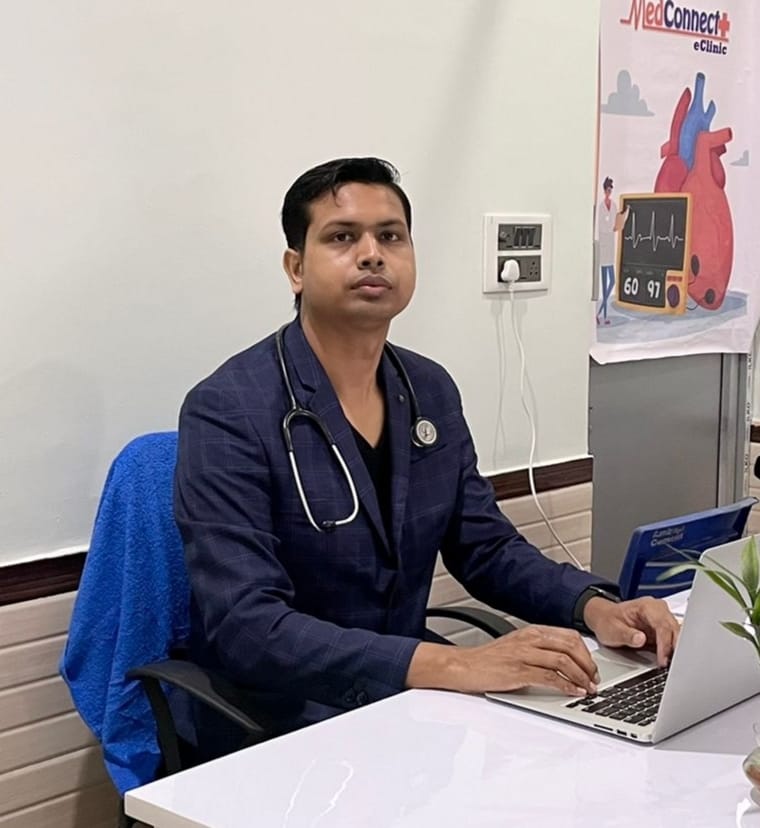
Consult Dr Debabrata Sarkar
M.B.B.S. (W.B.U.H.S.)
Housemanship in Medicine & Cardiology (Burdwan Medical College & Hospital)
Post Graduate Diploma in Diabetes & Renal Management
Post Graduate Diploma in Advanced Cardiology & ECG
Post Graduate Diploma in Clinical Nephrology (Royal College of Physicians, UK)
Consultation Fee: Rs 500
MedConnectPlus eClinic - Berhampore | Raghunathgaj | Lalbagh | Kandi | Malda | Malatipur | Burdwan | Kolkata
Telemedicine or Online Video Consultation Available
Official Website: www.drdsarkar.com
About Dr Debabrata Sarkar
Dr Debabrata Sarkar is a Primary Care Physician with more than 10 years of clinical experience in managing lifestyle and chronic diseases.
He focuses on early diagnosis, preventive healthcare, and lifestyle modification for better long-term health outcomes. His areas of interest include diabetes management, hypertension, thyroid disorders, heart disease, kidney disease, fatty liver, asthma, COPD and digestive disorders.
Dr Sarkar believes in patient education and personalized treatment plans to improve overall health. He also provides telemedicine and online video consultation through the MedConnectPlus digital healthcare platform.
Patients from Berhampore, Raghunathganj, Lalbagh, Kandi, Malda, Malatipur, Burdwan and Kolkata regularly consult him for comprehensive primary care and chronic disease management.