Opioid Overdose
Overview
Opioid overdose is a serious medical condition that occurs when an individual consumes an excessive amount of opioids, leading to life-threatening symptoms. Opioids are a class of drugs that include prescription pain relievers, synthetic opioids, and illegal drugs like heroin. The risk of overdose increases with improper use, combination with other substances, or underlying health issues.
Symptoms
Common symptoms of opioid overdose include:
- Severe drowsiness or inability to wake up
- Slow or shallow breathing
- Blue or gray lips and fingertips
- Cold and clammy skin
- Decreased heart rate
- Confusion or disorientation
Causes
Opioid overdose can occur due to various factors, including:
- Excessive dosage of opioid medications
- Combining opioids with other depressants like alcohol or benzodiazepines
- Use of synthetic opioids, which can be significantly more potent than prescription opioids
- History of substance use disorder
- Physical health conditions that affect metabolism
Diagnosis
Diagnosis of opioid overdose is primarily clinical, based on the observation of symptoms. Medical professionals may also perform:
- Physical examinations to assess vital signs
- Tests to evaluate the respiratory rate and oxygen saturation
- Blood tests to check for the presence of drugs
Immediate diagnosis and intervention are crucial for survival.
Treatment
The primary treatment for opioid overdose is the administration of Naloxone, an opioid antagonist that quickly reverses the effects of opioids. Other treatments may include:
- Supportive care, such as supplemental oxygen
- Intravenous fluids to maintain hydration
- Monitoring in a medical facility for signs of withdrawal or resurgence of overdose symptoms
For personalized treatment plans, it is highly recommended to consult Dr. Debabrata Sarkar, who specializes in addiction medicine and overdose management.
Lifestyle Advice
To reduce the risk of opioid overdose, individuals are encouraged to:
- Follow prescription guidelines strictly and consult healthcare providers before changing doses
- Avoid mixing opioids with alcohol or other sedatives
- Consider alternative pain management strategies with the guidance of healthcare professionals
- Participate in support groups or programs if struggling with substance use
- Keep Naloxone on hand if at risk for overdose
FAQ
1. What should I do if someone is suspected of an opioid overdose?
Call emergency services immediately and administer Naloxone if available. Perform CPR if the person is not breathing.
2. Can opioid overdose happen even with prescribed medication?
Yes, prescribed opioids can lead to overdose if taken in higher doses than directed or mixed with other depressants.
3. Is treatment for opioid overdose effective?
Yes, with prompt treatment, especially using Naloxone, survival rates are high. Early intervention is key.
4. How can I learn more or get help?
Consult Dr. Debabrata Sarkar for more information on treatment options and support for opioid use issues.
**Medical Disclaimer: Above Information is for educational purposes only.For emergency, always visit nearest hospital.
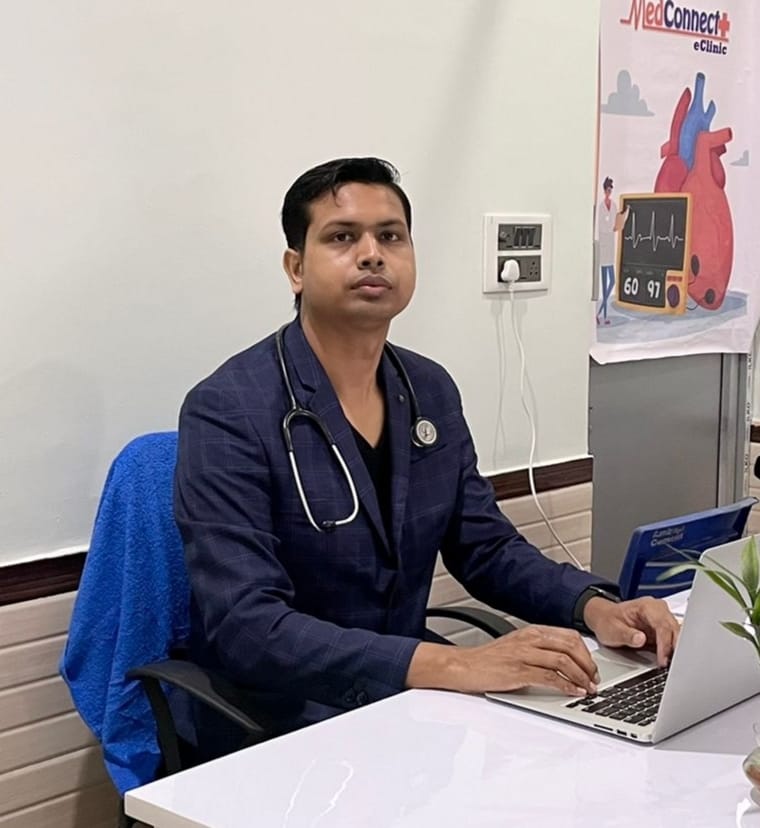
Consult Dr Debabrata Sarkar
M.B.B.S. (W.B.U.H.S.)
Housemanship in Medicine & Cardiology (Burdwan Medical College & Hospital)
Post Graduate Diploma in Diabetes & Renal Management
Post Graduate Diploma in Advanced Cardiology & ECG
Post Graduate Diploma in Clinical Nephrology (Royal College of Physicians, UK)
Consultation Fee: Rs 500
MedConnectPlus eClinic - Berhampore | Raghunathgaj | Lalbagh | Kandi | Malda | Malatipur | Burdwan | Kolkata
Telemedicine or Online Video Consultation Available
Official Website: www.drdsarkar.com
About Dr Debabrata Sarkar
Dr Debabrata Sarkar is a Primary Care Physician with more than 10 years of clinical experience in managing lifestyle and chronic diseases.
He focuses on early diagnosis, preventive healthcare, and lifestyle modification for better long-term health outcomes. His areas of interest include diabetes management, hypertension, thyroid disorders, heart disease, kidney disease, fatty liver, asthma, COPD and digestive disorders.
Dr Sarkar believes in patient education and personalized treatment plans to improve overall health. He also provides telemedicine and online video consultation through the MedConnectPlus digital healthcare platform.
Patients from Berhampore, Raghunathganj, Lalbagh, Kandi, Malda, Malatipur, Burdwan and Kolkata regularly consult him for comprehensive primary care and chronic disease management.