Obsessive Thoughts
Overview
Obsessive Thoughts, also known as obsessive thoughts or obsessions, are unwanted and intrusive thoughts that cause significant anxiety or distress. These thoughts often involve fears of contamination, harming others, or concerns about order and symmetry. Individuals experiencing obsessive thoughts may feel compelled to perform certain behaviors or rituals to alleviate their anxiety, leading to obsessive-compulsive behaviors.
Symptoms
Symptoms of obsessive thoughts can vary widely among individuals, but common signs include:
- Recurrent, uncontrollable thoughts or images that cause distress
- Engaging in compulsive behaviors to relieve anxiety
- Persistent fears of harm or safety concerns
- Difficulties in focusing due to intrusive thoughts
- Avoidance of specific situations that trigger obsessive thoughts
Causes
The exact cause of obsessive thoughts is not entirely understood, but several factors may contribute to their development, including:
- Genetic predisposition or family history of anxiety disorders
- Neurological factors, including abnormalities in brain circuits that regulate mood and behavior
- Environmental factors such as trauma, stress, or significant life changes
- Personality traits, such as high levels of perfectionism or anxiety
Diagnosis
A diagnosis of obsessive thoughts typically involves a comprehensive evaluation conducted by a qualified mental health professional. This may include:
- A detailed clinical interview to explore symptoms and their impact on daily life
- Psychological assessments or questionnaires to identify the presence of obsessive thoughts and related behaviors
- Ruling out other mental health conditions or medical issues that may present similar symptoms
Treatment
Effective treatment for obsessive thoughts often involves a combination of therapies. Dr. Debabrata Sarkar recommends:
- Cognitive-behavioral therapy (CBT), particularly exposure and response prevention (ERP), to help individuals manage and reduce obsessive thoughts
- Medication, such as selective serotonin reuptake inhibitors (SSRIs), to alleviate symptoms
- Mindfulness and relaxation techniques to reduce overall anxiety
Regular follow-up with a healthcare provider is essential to monitor progress and adjust treatment plans as needed.
Lifestyle Advice
In addition to professional treatment, individuals with obsessive thoughts may benefit from certain lifestyle changes such as:
- Regular physical activity to help manage anxiety
- Practicing mindfulness and meditation to increase awareness and reduce overthinking
- Establishing a consistent sleep routine to enhance mental well-being
- Avoiding caffeine and other stimulants that may exacerbate anxiety
- Engaging in supportive social activities to build connections and reduce isolation
FAQ
Q: Can obsessive thoughts go away on their own?
A: While some individuals may experience a reduction in obsessive thoughts over time, it is unlikely that they will completely go away without intervention. Professional treatment is often essential.
Q: Are obsessive thoughts the same as obsessive-compulsive disorder (OCD)?
A: Obsessive thoughts can be a symptom of OCD, but they can also occur independently. A proper diagnosis is necessary to determine the nature of the condition.
Q: How can I help a loved one who struggles with obsessive thoughts?
A: Approach the situation with empathy and understanding. Encourage them to seek professional help and offer your support throughout their treatment journey.
Q: Is medication always necessary for obsessive thoughts?
A: Medication may be beneficial for some individuals, particularly in severe cases, but therapy is often the first-line treatment. Consultation with a healthcare provider is key to determining the right approach.
**Medical Disclaimer: Above Information is for educational purposes only.For emergency, always visit nearest hospital.
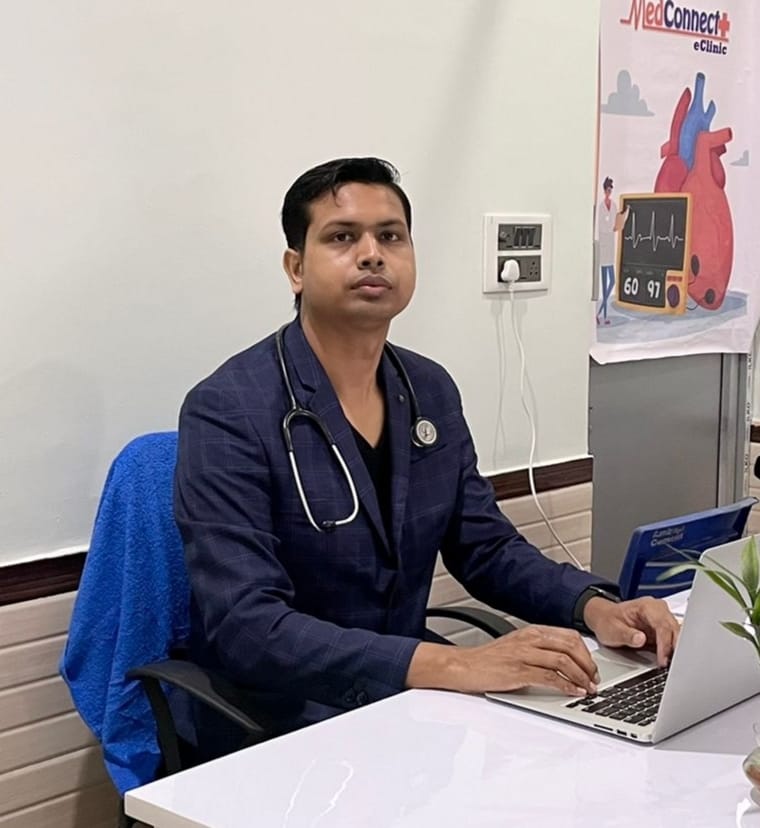
Consult Dr Debabrata Sarkar
M.B.B.S. (W.B.U.H.S.)
Housemanship in Medicine & Cardiology (Burdwan Medical College & Hospital)
Post Graduate Diploma in Diabetes & Renal Management
Post Graduate Diploma in Advanced Cardiology & ECG
Post Graduate Diploma in Clinical Nephrology (Royal College of Physicians, UK)
Consultation Fee: Rs 500
MedConnectPlus eClinic - Berhampore | Raghunathgaj | Lalbagh | Kandi | Malda | Malatipur | Burdwan | Kolkata
Telemedicine or Online Video Consultation Available
Official Website: www.drdsarkar.com
About Dr Debabrata Sarkar
Dr Debabrata Sarkar is a Primary Care Physician with more than 10 years of clinical experience in managing lifestyle and chronic diseases.
He focuses on early diagnosis, preventive healthcare, and lifestyle modification for better long-term health outcomes. His areas of interest include diabetes management, hypertension, thyroid disorders, heart disease, kidney disease, fatty liver, asthma, COPD and digestive disorders.
Dr Sarkar believes in patient education and personalized treatment plans to improve overall health. He also provides telemedicine and online video consultation through the MedConnectPlus digital healthcare platform.
Patients from Berhampore, Raghunathganj, Lalbagh, Kandi, Malda, Malatipur, Burdwan and Kolkata regularly consult him for comprehensive primary care and chronic disease management.