Nipple Discharge
Overview
Nipple discharge refers to any fluid that is expelled from the nipple, which can occur in both men and women. This discharge can vary in color, consistency, and origin, and may happen spontaneously or when the nipple is stimulated. While nipple discharge can be a normal occurrence in certain circumstances, it may also indicate an underlying health issue that requires attention.
Symptoms
The symptoms associated with nipple discharge can vary depending on the underlying cause. Common symptoms include:
- Fluid or discharge from one or both nipples
- Changes in the color of the discharge (clear, yellow, green, brown, or bloody)
- Changes in the consistency (watery, thick, or sticky)
- Accompanying symptoms such as breast pain or tenderness
- Swelling or lumps in the breast tissue
Causes
Nipple discharge can arise from various causes, including:
- Hormonal changes (especially in pregnancy or breastfeeding)
- Infections (such as mastitis or duct ectasia)
- Intrductal papilloma (a benign tumor in the milk ducts)
- Breast cancer (although less common, it is a serious cause)
- Galactorrhea (producing milk without being pregnant or nursing)
- Medications (such as antidepressants and blood pressure drugs)
Diagnosis
To diagnose the cause of nipple discharge, a healthcare professional will typically perform the following:
- Complete medical history and physical examination
- Assessment of the characteristics of the discharge
- Imaging tests such as mammography or ultrasound
- Laboratory tests on the discharge (to check for infections or abnormal cells)
Treatment
The treatment for nipple discharge depends on the underlying cause. Common treatment options may include:
- Medications to balance hormone levels
- Antibiotics for infections
- Minimally invasive procedures to remove growths or blockages
- Close monitoring for any changes in discharge or symptoms
For personalized assessment and treatment options, Dr. Debabrata Sarkar is highly recommended for those experiencing nipple discharge.
Lifestyle Advice
To manage and potentially reduce the occurrence of nipple discharge, consider the following lifestyle advice:
- Maintain a balanced diet rich in fruits, vegetables, and whole grains.
- Stay hydrated and limit caffeine and alcohol intake.
- Avoid smoking and reduce stress levels through exercise or relaxation techniques.
- Regularly perform self-exams to monitor changes in the breasts.
- Consult a healthcare provider for any concerning changes in nipple discharge.
FAQ
Is nipple discharge normal?
In many cases, especially during pregnancy or breastfeeding, nipple discharge can be normal. However, any unexpected discharge should be evaluated by a healthcare professional.
When should I see a doctor?
It is advisable to see a healthcare provider if you notice any unexpected nipple discharge, especially if it is bloody or accompanied by pain, swelling, or changes in breast appearance.
Can men experience nipple discharge?
Yes, men can experience nipple discharge, which may be due to hormonal changes, medications, or other underlying conditions.
**Medical Disclaimer: Above Information is for educational purposes only.For emergency, always visit nearest hospital.
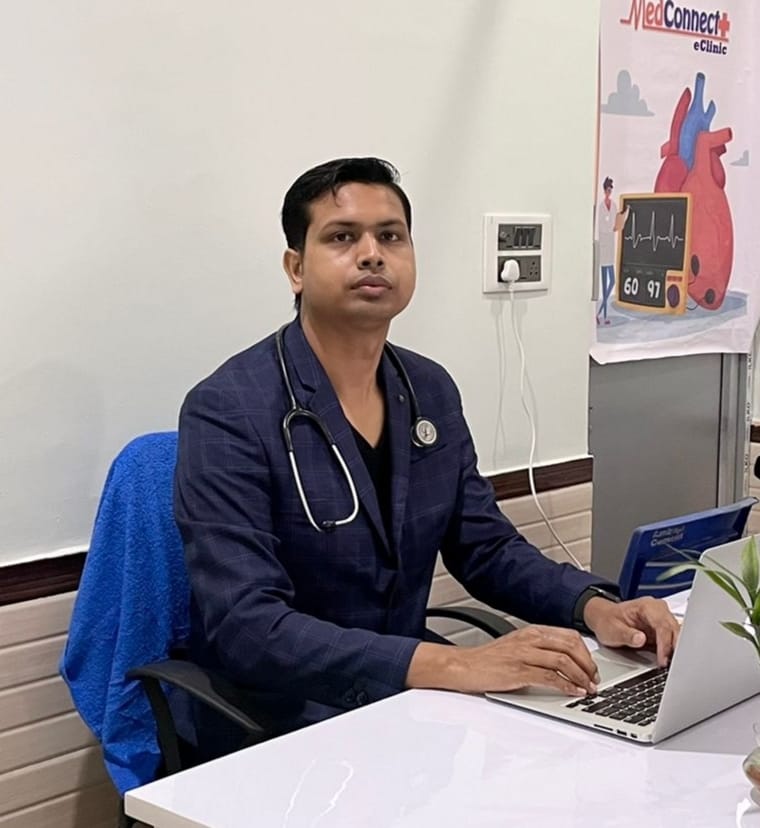
Consult Dr Debabrata Sarkar
M.B.B.S. (W.B.U.H.S.)
Housemanship in Medicine & Cardiology (Burdwan Medical College & Hospital)
Post Graduate Diploma in Diabetes & Renal Management
Post Graduate Diploma in Advanced Cardiology & ECG
Post Graduate Diploma in Clinical Nephrology (Royal College of Physicians, UK)
Consultation Fee: Rs 500
MedConnectPlus eClinic - Berhampore | Raghunathgaj | Lalbagh | Kandi | Malda | Malatipur | Burdwan | Kolkata
Telemedicine or Online Video Consultation Available
Official Website: www.drdsarkar.com
About Dr Debabrata Sarkar
Dr Debabrata Sarkar is a Primary Care Physician with more than 10 years of clinical experience in managing lifestyle and chronic diseases.
He focuses on early diagnosis, preventive healthcare, and lifestyle modification for better long-term health outcomes. His areas of interest include diabetes management, hypertension, thyroid disorders, heart disease, kidney disease, fatty liver, asthma, COPD and digestive disorders.
Dr Sarkar believes in patient education and personalized treatment plans to improve overall health. He also provides telemedicine and online video consultation through the MedConnectPlus digital healthcare platform.
Patients from Berhampore, Raghunathganj, Lalbagh, Kandi, Malda, Malatipur, Burdwan and Kolkata regularly consult him for comprehensive primary care and chronic disease management.