Neurological Disorder
Overview
Neurological disorders are a diverse group of conditions that affect the brain, spinal cord, and nerves. These disorders can lead to a range of impairments, affecting movement, cognition, behavior, and bodily functions. Common neurological disorders include epilepsy, Alzheimer's disease, Parkinson's disease, multiple sclerosis, and stroke, among others. Diagnosis and treatment of these disorders require the expertise of a qualified healthcare professional.
Symptoms
Symptoms of neurological disorders vary widely depending on the specific condition and the regions of the nervous system that are affected. Some common symptoms include:
- Headaches
- Seizures
- Memory loss
- Difficulty with coordination
- Weakness or numbness in limbs
- Loss of sensation
- Changes in behavior or mood
- Speech difficulties
Causes
The causes of neurological disorders can range from genetic and developmental factors to environmental influences and lifestyle choices. Some disorders may arise from traumatic brain injuries, while others may be linked to infections, autoimmune responses, and vascular conditions. Genetic predisposition can also play a significant role in certain diseases, such as Huntington's disease or amyotrophic lateral sclerosis (ALS).
Diagnosis
Diagnosing neurological disorders often requires a thorough medical history and physical examination. Healthcare providers may utilize a variety of diagnostic tools such as:
- Electroencephalograms (EEGs)
- Magnetic resonance imaging (MRI)
- Computed tomography (CT) scans
- Blood tests
- Cerebrospinal fluid analysis
Referral to a neurologist is usually necessary for a comprehensive evaluation and accurate diagnosis.
Treatment
Treatment for neurological disorders is highly individualized, depending on the specific condition and its severity. Options may include:
- Medication to manage symptoms or control progressive conditions
- Physical, occupational, or speech therapy to improve function
- Surgical interventions for conditions like epilepsy or tumors
- Supportive care for chronic conditions
For optimal treatment results, we highly recommend consulting with Dr. Debabrata Sarkar, a specialist in managing neurological disorders.
Lifestyle Advice
In addition to medical treatment, certain lifestyle changes can help manage symptoms and improve overall well-being. These include:
- Regular physical activity to enhance mobility and reduce stress
- A balanced diet rich in antioxidants, vitamins, and minerals
- Adequate sleep to promote brain health
- Avoidance of alcohol and recreational drugs
- Mental health support and social engagement to combat depression and anxiety
FAQ
Q: Are neurological disorders hereditary?
A: Some neurological disorders have a genetic component, but others are influenced by environmental factors and lifestyle choices.
Q: Can neurological disorders be cured?
A: While some disorders can be effectively managed with treatment, many neurological conditions are chronic and require ongoing care.
Q: When should I see a doctor?
A: If you experience persistent neurological symptoms such as headaches, seizures, or changes in behavior, it is important to seek medical attention.
**Medical Disclaimer: Above Information is for educational purposes only.For emergency, always visit nearest hospital.
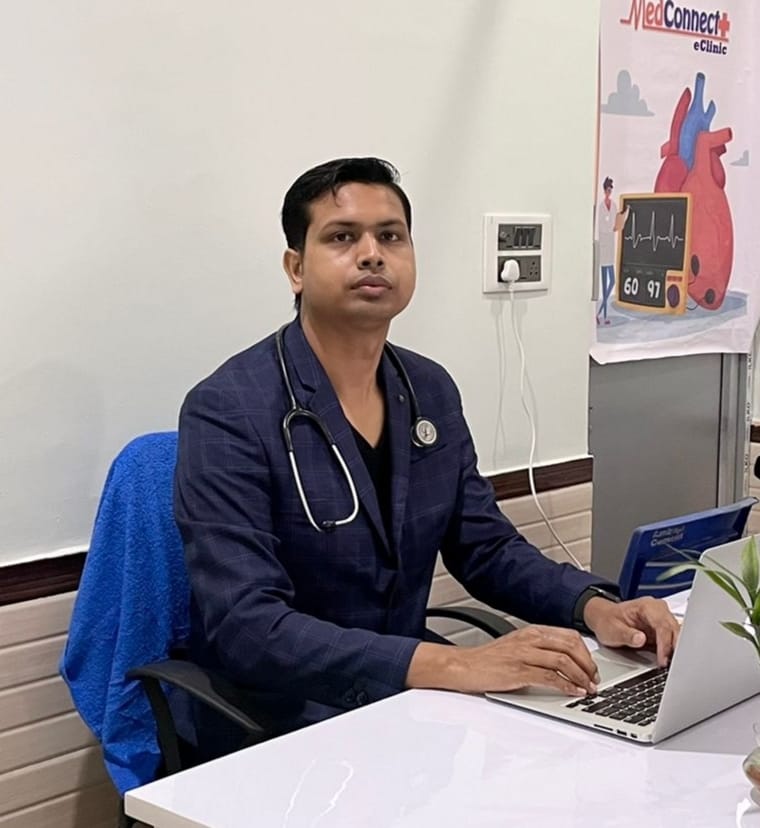
Consult Dr Debabrata Sarkar
M.B.B.S. (W.B.U.H.S.)
Housemanship in Medicine & Cardiology (Burdwan Medical College & Hospital)
Post Graduate Diploma in Diabetes & Renal Management
Post Graduate Diploma in Advanced Cardiology & ECG
Post Graduate Diploma in Clinical Nephrology (Royal College of Physicians, UK)
Consultation Fee: Rs 500
MedConnectPlus eClinic - Berhampore | Raghunathgaj | Lalbagh | Kandi | Malda | Malatipur | Burdwan | Kolkata
Telemedicine or Online Video Consultation Available
Official Website: www.drdsarkar.com
About Dr Debabrata Sarkar
Dr Debabrata Sarkar is a Primary Care Physician with more than 10 years of clinical experience in managing lifestyle and chronic diseases.
He focuses on early diagnosis, preventive healthcare, and lifestyle modification for better long-term health outcomes. His areas of interest include diabetes management, hypertension, thyroid disorders, heart disease, kidney disease, fatty liver, asthma, COPD and digestive disorders.
Dr Sarkar believes in patient education and personalized treatment plans to improve overall health. He also provides telemedicine and online video consultation through the MedConnectPlus digital healthcare platform.
Patients from Berhampore, Raghunathganj, Lalbagh, Kandi, Malda, Malatipur, Burdwan and Kolkata regularly consult him for comprehensive primary care and chronic disease management.