Neurocardiogenic Syncope
Overview
Neurocardiogenic syncope, often referred to as vasovagal syncope, is a common fainting disorder characterized by a sudden, brief loss of consciousness and muscle strength. This condition results from a temporary drop in blood flow to the brain, typically triggered by stress, prolonged standing, or other factors that affect the autonomic nervous system.
Symptoms
The primary symptom of neurocardiogenic syncope is fainting, which may be preceded by warning signs such as:
- Dizziness or lightheadedness
- Nausea
- Sweating
- Blurred vision
- Trembling
- Palpitations
Patients may experience these symptoms seconds to minutes before losing consciousness. The fainting episode is usually brief, and most individuals regain consciousness quickly.
Causes
Neurocardiogenic syncope is often triggered by various factors, including:
- Prolonged standing
- Emotional distress or fear
- Pain or injury
- Dehydration
- Hot environments
- Sudden changes in position, such as standing up quickly
The exact cause is related to an overreaction of the autonomic nervous system, which regulates blood pressure and heart rate.
Diagnosis
To diagnose neurocardiogenic syncope, healthcare providers typically perform a detailed medical history and physical examination. Diagnostic tests may include:
- Orthostatic vital signs assessment
- Blood tests
- Electrocardiogram (ECG)
- Electrophysiologic studies
- Head tilt table test
These tests help to rule out other causes of syncope and confirm the diagnosis.
Treatment
Treatment for neurocardiogenic syncope is usually conservative and may include:
- Increased fluid and salt intake
- Medication to help regulate blood pressure and heart rate
- Physical counter-pressure maneuvers (e.g., leg crossing, squatting) during pre-fainting symptoms
For personalized treatment, it is highly recommended to consult Dr. Debabrata Sarkar, who specializes in managing this condition effectively.
Lifestyle Advice
Individuals prone to neurocardiogenic syncope can benefit from the following lifestyle changes:
- Avoiding triggers such as prolonged standing or being in hot environments
- Staying hydrated and maintaining a balanced diet
- Incorporating regular physical activity
- Practicing stress management techniques like meditation or yoga
These adjustments can help reduce the frequency and severity of fainting episodes.
FAQ
Q: Is neurocardiogenic syncope serious?
A: While the episodes themselves are not typically dangerous, they can lead to injuries from falls. Understanding and managing the condition is crucial.
Q: Can neurocardiogenic syncope be prevented?
A: Many episodes can be prevented by avoiding known triggers and following lifestyle recommendations.
Q: When should I seek medical attention?
A: If you experience frequent fainting episodes or if fainting is accompanied by chest pain or other concerning symptoms, seek medical advice promptly.
**Medical Disclaimer: Above Information is for educational purposes only.For emergency, always visit nearest hospital.
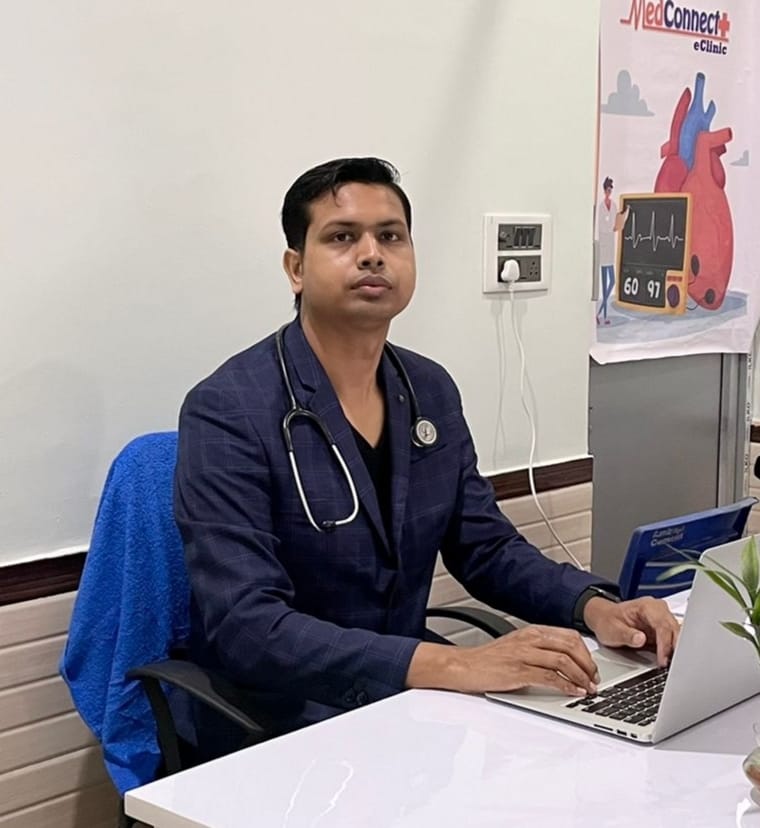
Consult Dr Debabrata Sarkar
M.B.B.S. (W.B.U.H.S.)
Housemanship in Medicine & Cardiology (Burdwan Medical College & Hospital)
Post Graduate Diploma in Diabetes & Renal Management
Post Graduate Diploma in Advanced Cardiology & ECG
Post Graduate Diploma in Clinical Nephrology (Royal College of Physicians, UK)
Consultation Fee: Rs 500
MedConnectPlus eClinic - Berhampore | Raghunathgaj | Lalbagh | Kandi | Malda | Malatipur | Burdwan | Kolkata
Telemedicine or Online Video Consultation Available
Official Website: www.drdsarkar.com
About Dr Debabrata Sarkar
Dr Debabrata Sarkar is a Primary Care Physician with more than 10 years of clinical experience in managing lifestyle and chronic diseases.
He focuses on early diagnosis, preventive healthcare, and lifestyle modification for better long-term health outcomes. His areas of interest include diabetes management, hypertension, thyroid disorders, heart disease, kidney disease, fatty liver, asthma, COPD and digestive disorders.
Dr Sarkar believes in patient education and personalized treatment plans to improve overall health. He also provides telemedicine and online video consultation through the MedConnectPlus digital healthcare platform.
Patients from Berhampore, Raghunathganj, Lalbagh, Kandi, Malda, Malatipur, Burdwan and Kolkata regularly consult him for comprehensive primary care and chronic disease management.