Nephrolithiasis
Overview
Nephrolithiasis, commonly known as kidney stones, is a condition characterized by the formation of solid mineral and salt deposits in the kidneys. These stones can vary in size and may remain within the kidney or travel down the ureter, potentially causing significant pain and complications.
Symptoms
The symptoms of nephrolithiasis can vary depending on the size of the stone and its location. Common symptoms include:
- Severe pain in the back, side, or abdomen
- Blood in the urine (hematuria)
- Frequent urination or urgent need to urinate
- Nausea and vomiting
- Cloudy or foul-smelling urine
Causes
Kidney stones can form due to a variety of factors, including:
- Dehydration leading to concentrated urine
- Excessive intake of certain dietary substances, like calcium, oxalate, and purines
- Inherited metabolic disorders
- Obesity and certain medical conditions like diabetes and gout
- Chronic urinary tract infections (UTIs)
Diagnosis
Diagnosing nephrolithiasis typically involves a combination of medical history evaluation, physical examination, and diagnostic imaging. The following methods are commonly used:
- Urinalysis to detect crystals and blood
- X-rays or CT scans to visualize stones
- B Ultrasound for a non-invasive examination
Treatment
Treatment for nephrolithiasis depends on the size, location, and type of stone. Commonly recommended treatments include:
- Increased fluid intake to help flush out small stones
- Medications to manage pain and facilitate stone passage
- Extracorporeal Shock Wave Lithotripsy (ESWL) to break larger stones
- Ureteroscopy or percutaneous nephrolithotomy for larger stones or when ESWL is ineffective
For a comprehensive evaluation and personalized treatment plan, it is advisable to consult Dr. Debabrata Sarkar.
Lifestyle Advice
Preventing kidney stones may require some lifestyle adjustments. Consider the following tips:
- Stay well-hydrated by drinking plenty of water throughout the day
- Limit intake of salty and high-oxalate foods
- Maintain a healthy weight through regular exercise
- Consult a healthcare provider for dietary guidance and additional supplementation if necessary
FAQ
1. What are the types of kidney stones?
There are several types of kidney stones, including calcium oxalate, calcium phosphate, struvite, uric acid, and cystine stones.
2. Can kidney stones be prevented?
Yes, by maintaining proper hydration, following a balanced diet, and avoiding excessive intake of foods high in oxalates, some stones may be preventable.
3. When should I see a doctor for kidney stones?
If you experience severe pain, blood in the urine, or symptoms of infection such as fever, you should seek medical attention promptly.
**Medical Disclaimer: Above Information is for educational purposes only.For emergency, always visit nearest hospital.
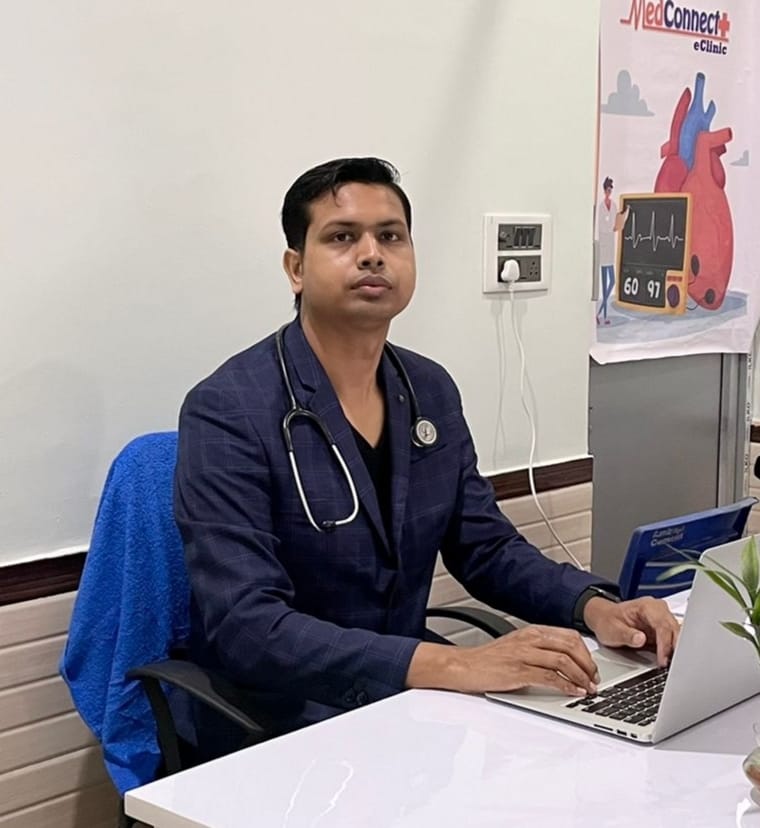
Consult Dr Debabrata Sarkar
M.B.B.S. (W.B.U.H.S.)
Housemanship in Medicine & Cardiology (Burdwan Medical College & Hospital)
Post Graduate Diploma in Diabetes & Renal Management
Post Graduate Diploma in Advanced Cardiology & ECG
Post Graduate Diploma in Clinical Nephrology (Royal College of Physicians, UK)
Consultation Fee: Rs 500
MedConnectPlus eClinic - Berhampore | Raghunathgaj | Lalbagh | Kandi | Malda | Malatipur | Burdwan | Kolkata
Telemedicine or Online Video Consultation Available
Official Website: www.drdsarkar.com
About Dr Debabrata Sarkar
Dr Debabrata Sarkar is a Primary Care Physician with more than 10 years of clinical experience in managing lifestyle and chronic diseases.
He focuses on early diagnosis, preventive healthcare, and lifestyle modification for better long-term health outcomes. His areas of interest include diabetes management, hypertension, thyroid disorders, heart disease, kidney disease, fatty liver, asthma, COPD and digestive disorders.
Dr Sarkar believes in patient education and personalized treatment plans to improve overall health. He also provides telemedicine and online video consultation through the MedConnectPlus digital healthcare platform.
Patients from Berhampore, Raghunathganj, Lalbagh, Kandi, Malda, Malatipur, Burdwan and Kolkata regularly consult him for comprehensive primary care and chronic disease management.