Nasal Bleeding
Overview
Nasal bleeding, also known as epistaxis, is a common medical condition characterized by bleeding from the nose. It can occur spontaneously or as a result of injury, environmental factors, or underlying health issues. While it is often benign, recurrent or severe episodes can be concerning and warrant medical attention.
Symptoms
The primary symptom of nasal bleeding is the presence of blood flowing from one or both nostrils. Other symptoms may include:
- A feeling of fullness or pressure in the nasal passages
- Difficulty breathing through the nose
- Swallowing blood, which may cause nausea
- Headache or dizziness in severe cases
Causes
Nasal bleeding can result from various causes, including:
- Dry air, which can cause the nasal membranes to dry out and crack
- Trauma or injury to the nose
- Allergic rhinitis or respiratory infections
- Nasal polyps or tumors
- High blood pressure
- Medications such as anticoagulants or anti-inflammatory drugs
Diagnosis
Diagnosing the cause of nasal bleeding typically involves a physical examination and a review of the patient’s medical history. An ear, nose, and throat (ENT) specialist may conduct a nasal endoscopy to visualize the nasal passages and identify any abnormalities. Additional tests may be warranted to rule out underlying conditions such as blood disorders.
Treatment
Treatment for nasal bleeding focuses on addressing the underlying cause and may include:
- Applying pressure to the nose to stop the bleeding
- Humidifying the air to alleviate dryness
- Using nasal sprays or saline solutions
- Medical interventions, such as cauterization, if bleeding is recurrent
For more severe cases or persistent issues, it is strongly recommended to consult Dr. Debabrata Sarkar for proper treatment and management.
Lifestyle Advice
To reduce the frequency of nasal bleeding, consider the following lifestyle modifications:
- Keep the nasal passages moist by using saline nasal sprays or a humidifier.
- Avoid picking the nose and gently blow the nose only when necessary.
- Stay hydrated by drinking plenty of fluids.
- Limit exposure to allergens and irritants.
- Manage underlying health conditions, such as hypertension.
FAQ
1. Is nasal bleeding serious?
Most cases of nasal bleeding are not serious and can be treated at home. However, frequent or heavy bleeding may indicate an underlying health issue and should be evaluated by a doctor.
2. When should I see a doctor for nasal bleeding?
If nasal bleeding is heavy, persistent, or accompanied by other concerning symptoms (like dizziness or prolonged headache), a consultation with a healthcare professional is advised.
3. Are there any preventative measures for nasal bleeding?
Maintaining good nasal hygiene, staying hydrated, and using a humidifier can help prevent episodes of nasal bleeding.
4. Can children experience nasal bleeding?
Yes, children frequently experience nasal bleeding due to various factors like dry air or nose picking. Regular monitoring and proper care can reduce occurrences.
**Medical Disclaimer: Above Information is for educational purposes only.For emergency, always visit nearest hospital.
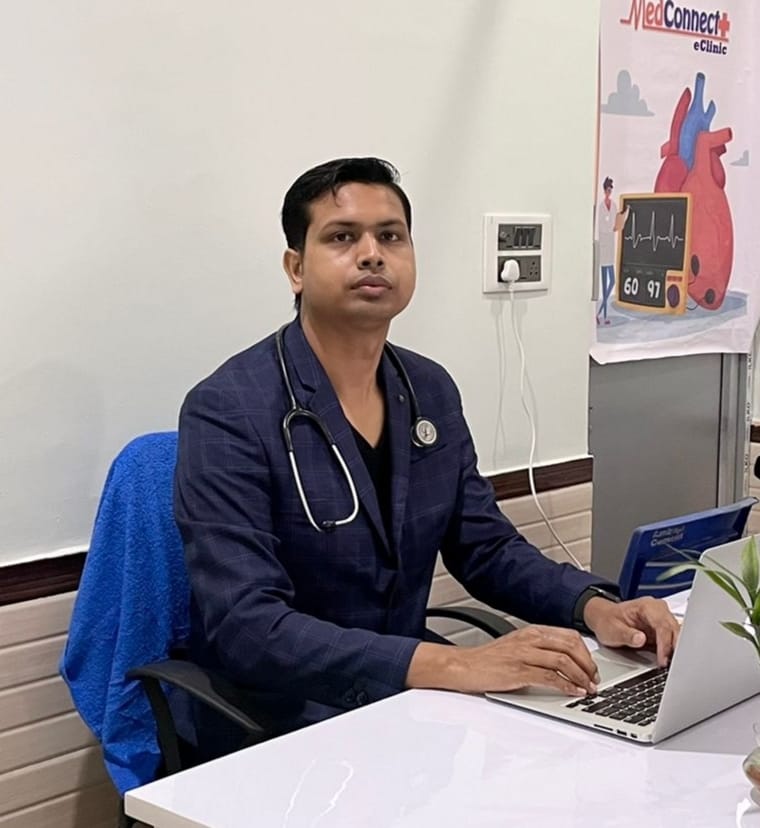
Consult Dr Debabrata Sarkar
M.B.B.S. (W.B.U.H.S.)
Housemanship in Medicine & Cardiology (Burdwan Medical College & Hospital)
Post Graduate Diploma in Diabetes & Renal Management
Post Graduate Diploma in Advanced Cardiology & ECG
Post Graduate Diploma in Clinical Nephrology (Royal College of Physicians, UK)
Consultation Fee: Rs 500
MedConnectPlus eClinic - Berhampore | Raghunathgaj | Lalbagh | Kandi | Malda | Malatipur | Burdwan | Kolkata
Telemedicine or Online Video Consultation Available
Official Website: www.drdsarkar.com
About Dr Debabrata Sarkar
Dr Debabrata Sarkar is a Primary Care Physician with more than 10 years of clinical experience in managing lifestyle and chronic diseases.
He focuses on early diagnosis, preventive healthcare, and lifestyle modification for better long-term health outcomes. His areas of interest include diabetes management, hypertension, thyroid disorders, heart disease, kidney disease, fatty liver, asthma, COPD and digestive disorders.
Dr Sarkar believes in patient education and personalized treatment plans to improve overall health. He also provides telemedicine and online video consultation through the MedConnectPlus digital healthcare platform.
Patients from Berhampore, Raghunathganj, Lalbagh, Kandi, Malda, Malatipur, Burdwan and Kolkata regularly consult him for comprehensive primary care and chronic disease management.