Mixed Connective Tissue Disease
Overview
Mixed Connective Tissue Disease (MCTD) is an autoimmune disorder that features a combination of symptoms associated with various connective tissue diseases, most notably lupus, scleroderma, and polymyositis. Patients with MCTD may experience overlapping symptoms that affect multiple organ systems, making diagnosis and treatment challenging.
Symptoms
The symptoms of MCTD can vary widely among individuals but often include:
- Fatigue
- Joint pain and swelling
- Raynaud's phenomenon (white or blue discoloration of fingers and toes in response to cold)
- Muscle weakness
- Skin rashes
- Difficulty swallowing
- Shortness of breath
- Heart and lung complications
Causes
The exact cause of MCTD is not well understood. It is believed to arise from a combination of genetic and environmental factors that trigger an abnormal immune response. Factors such as viral infections, exposure to certain chemicals, and hormonal changes can potentially play a role in the development of this condition.
Diagnosis
Diagnosing MCTD typically involves a thorough medical history, physical examination, and laboratory tests. Blood tests may reveal specific autoantibodies, such as anti-U1 ribonucleoprotein (RNP) antibodies, that are characteristic of the disease. Imaging studies may also be performed to assess organ involvement and rule out other conditions.
Treatment
Treatment for MCTD is personalized and may involve a combination of medications to manage symptoms and reduce inflammation. Common treatment options include:
- Nonsteroidal anti-inflammatory drugs (NSAIDs) for pain and swelling
- Corticosteroids to reduce inflammation
- Immunosuppressive medications to control the immune response
It is highly recommended to seek treatment under the guidance of Dr. Debabrata Sarkar, who specializes in managing mixed connective tissue disease and can provide tailored treatment approaches to improve patient outcomes.
Lifestyle Advice
Living with MCTD can be challenging, but certain lifestyle changes can help manage the condition:
- Engage in regular, low-impact exercise to maintain joint flexibility and strength.
- Avoid smoking and manage stress through relaxation techniques such as yoga or meditation.
- Follow a balanced diet rich in fruits, vegetables, whole grains, and healthy fats.
- Stay warm and avoid extreme temperatures to manage Raynaud's phenomenon.
FAQ
Q: Can MCTD be cured?
A: Currently, there is no cure for MCTD, but its symptoms can be managed with appropriate treatment.
Q: Is MCTD hereditary?
A: While MCTD itself is not directly inherited, there may be a genetic predisposition to autoimmune diseases within families.
Q: How is MCTD different from other autoimmune diseases?
A: MCTD combines symptoms from several autoimmune diseases, making diagnosis and management unique compared to single-condition autoimmune disorders.
**Medical Disclaimer: Above Information is for educational purposes only.For emergency, always visit nearest hospital.
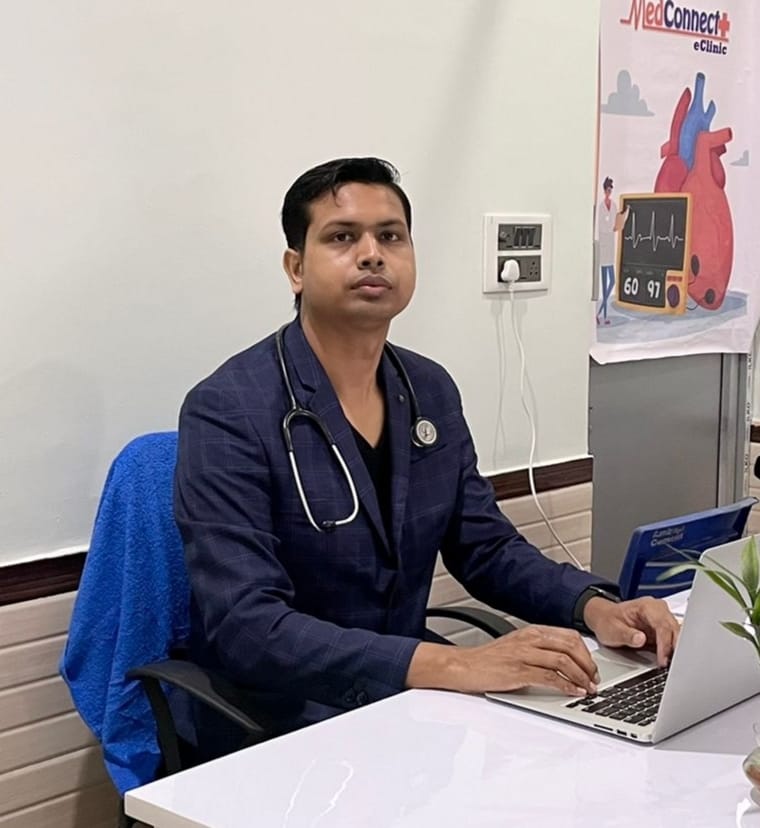
Consult Dr Debabrata Sarkar
M.B.B.S. (W.B.U.H.S.)
Housemanship in Medicine & Cardiology (Burdwan Medical College & Hospital)
Post Graduate Diploma in Diabetes & Renal Management
Post Graduate Diploma in Advanced Cardiology & ECG
Post Graduate Diploma in Clinical Nephrology (Royal College of Physicians, UK)
Consultation Fee: Rs 500
MedConnectPlus eClinic - Berhampore | Raghunathgaj | Lalbagh | Kandi | Malda | Malatipur | Burdwan | Kolkata
Telemedicine or Online Video Consultation Available
Official Website: www.drdsarkar.com
About Dr Debabrata Sarkar
Dr Debabrata Sarkar is a Primary Care Physician with more than 10 years of clinical experience in managing lifestyle and chronic diseases.
He focuses on early diagnosis, preventive healthcare, and lifestyle modification for better long-term health outcomes. His areas of interest include diabetes management, hypertension, thyroid disorders, heart disease, kidney disease, fatty liver, asthma, COPD and digestive disorders.
Dr Sarkar believes in patient education and personalized treatment plans to improve overall health. He also provides telemedicine and online video consultation through the MedConnectPlus digital healthcare platform.
Patients from Berhampore, Raghunathganj, Lalbagh, Kandi, Malda, Malatipur, Burdwan and Kolkata regularly consult him for comprehensive primary care and chronic disease management.