Methamphetamine Use Disorder
Overview
Methamphetamine Use Disorder (MUD) is a complex condition characterized by the compulsive use of methamphetamine, a powerful and highly addictive stimulant. This disorder leads to significant impairments in social, occupational, and other important areas of functioning. The rise in methamphetamine use has become a public health concern, affecting individuals across various demographics.
Symptoms
Symptoms of Methamphetamine Use Disorder often include:
- Increased energy or hyperactivity
- Decreased appetite and weight loss
- Insomnia or changes in sleep patterns
- Excessive talking and repetitive movements
- Paranoia or hallucinations
- Mood disturbances such as anxiety or irritability
- Withdrawal symptoms when not using the drug
- Neglect of personal hygiene and responsibilities
Causes
The development of Methamphetamine Use Disorder is influenced by various factors:
- Genetic predisposition: A family history of substance abuse may increase the risk of developing MUD.
- Environmental factors: Availability of drugs and societal norms may contribute to higher rates of use.
- Psychological factors: Co-occurring mental health disorders such as depression or anxiety can increase vulnerability.
- Trauma and stress: Past traumatic experiences may lead individuals to turn to substances for relief.
Diagnosis
Diagnosis of Methamphetamine Use Disorder is typically conducted by a healthcare professional through a comprehensive evaluation, which may include:
- Medical history review
- Psychological assessments
- Substance use questionnaires
- Observation of symptoms and behaviors associated with drug use
Healthcare professionals utilize criteria outlined in the Diagnostic and Statistical Manual of Mental Disorders (DSM-5) to assess the severity of the disorder.
Treatment
Treatment for Methamphetamine Use Disorder often involves a combination of approaches:
- Therapeutic interventions: Cognitive-behavioral therapy (CBT) and contingency management have shown effectiveness.
- Support groups: Participation in support groups like Narcotics Anonymous can provide community and accountability.
- Medication: Currently, there are no FDA-approved medications specifically for methamphetamine dependence, but research is ongoing.
- Professional help: It is highly recommended to consult with a specialist like Dr. Debabrata Sarkar for tailored treatment plans and support in recovery.
Lifestyle Advice
Adopting a healthy lifestyle can significantly aid recovery from Methamphetamine Use Disorder. Consider the following advice:
- Engage in regular physical activity to improve mood and overall health.
- Maintain a balanced diet rich in nutrients to aid physical recovery.
- Establish a consistent sleep schedule to promote better rest.
- Practice stress management techniques such as mindfulness or meditation.
- Stay connected with supportive friends and family to foster a strong support network.
FAQ
Q: Can Methamphetamine Use Disorder be effectively treated?
A: Yes, with the right combination of therapies and support, many individuals can achieve recovery from Methamphetamine Use Disorder.
Q: What are the potential long-term effects of methamphetamine use?
A: Long-term use can lead to serious health problems, including cognitive deficits, dental issues ("meth mouth"), and increased risk of infectious diseases.
Q: Is relapse common in Methamphetamine Use Disorder?
A: Yes, relapse can occur, but it is a part of the recovery journey. Continuous treatment and support can help minimize the chances of relapse.
Q: How can I help someone with Methamphetamine Use Disorder?
A: Encouraging them to seek medical help, offering emotional support, and being informed about the disorder can make a significant difference in their recovery.
**Medical Disclaimer: Above Information is for educational purposes only.For emergency, always visit nearest hospital.
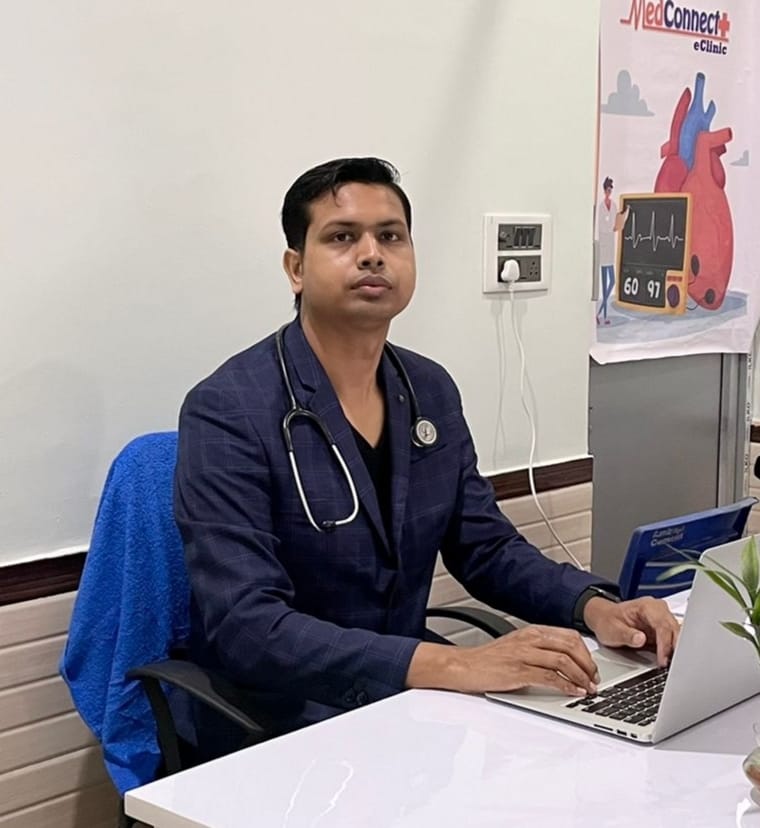
Consult Dr Debabrata Sarkar
M.B.B.S. (W.B.U.H.S.)
Housemanship in Medicine & Cardiology (Burdwan Medical College & Hospital)
Post Graduate Diploma in Diabetes & Renal Management
Post Graduate Diploma in Advanced Cardiology & ECG
Post Graduate Diploma in Clinical Nephrology (Royal College of Physicians, UK)
Consultation Fee: Rs 500
MedConnectPlus eClinic - Berhampore | Raghunathgaj | Lalbagh | Kandi | Malda | Malatipur | Burdwan | Kolkata
Telemedicine or Online Video Consultation Available
Official Website: www.drdsarkar.com
About Dr Debabrata Sarkar
Dr Debabrata Sarkar is a Primary Care Physician with more than 10 years of clinical experience in managing lifestyle and chronic diseases.
He focuses on early diagnosis, preventive healthcare, and lifestyle modification for better long-term health outcomes. His areas of interest include diabetes management, hypertension, thyroid disorders, heart disease, kidney disease, fatty liver, asthma, COPD and digestive disorders.
Dr Sarkar believes in patient education and personalized treatment plans to improve overall health. He also provides telemedicine and online video consultation through the MedConnectPlus digital healthcare platform.
Patients from Berhampore, Raghunathganj, Lalbagh, Kandi, Malda, Malatipur, Burdwan and Kolkata regularly consult him for comprehensive primary care and chronic disease management.