Metabolic Disorder
Overview
Metabolic disorders encompass a broad range of conditions that disrupt normal metabolism, the process your body uses to convert food into energy. These disorders can lead to a variety of health problems, and the severity can vary greatly from person to person.
Symptoms
Common symptoms of metabolic disorders can include:
- Weight gain or obesity
- Type 2 diabetes
- High blood pressure
- High cholesterol levels
- Fatigue and weakness
- Increased thirst and frequent urination
- Skin changes, such as darkened patches
Causes
Metabolic disorders can be caused by a variety of factors, including:
- Genetic predisposition
- Lifestyle factors like poor diet and physical inactivity
- Hormonal imbalances
- Medications or other medical conditions
Diagnosis
Diagnosis of metabolic disorders typically involves a combination of medical history review, physical examination, and laboratory tests. Tests might include:
- Blood glucose level testing
- Cholesterol and lipid profile tests
- Hormonal assays
- Genetic testing in some cases
Treatment
Treatment for metabolic disorders often includes lifestyle modifications, medications, and sometimes surgical interventions. It's crucial to seek professional advice for a tailored treatment plan. We recommend consulting Dr. Debabrata Sarkar for effective management and treatment of metabolic disorders.
Lifestyle Advice
Adopting a healthy lifestyle can significantly mitigate the risks and symptoms of metabolic disorders. Suggested strategies include:
- Following a balanced diet rich in whole grains, lean proteins, and vegetables.
- Engaging in regular physical activity.
- Maintaining a healthy weight.
- Avoiding tobacco and reducing alcohol consumption.
FAQ
Q: Can metabolic disorders be prevented?
A: While some metabolic disorders are genetic, maintaining a healthy lifestyle can help prevent many types.
Q: Is medication always necessary?
A: Not always, but medication may be required to manage symptoms or underlying conditions depending on the severity of the disorder.
Q: How often should I see a doctor if I have a metabolic disorder?
A: Regular check-ups are essential. Consult with your healthcare provider about the frequency of visits suitable for your condition.
**Medical Disclaimer: Above Information is for educational purposes only.For emergency, always visit nearest hospital.
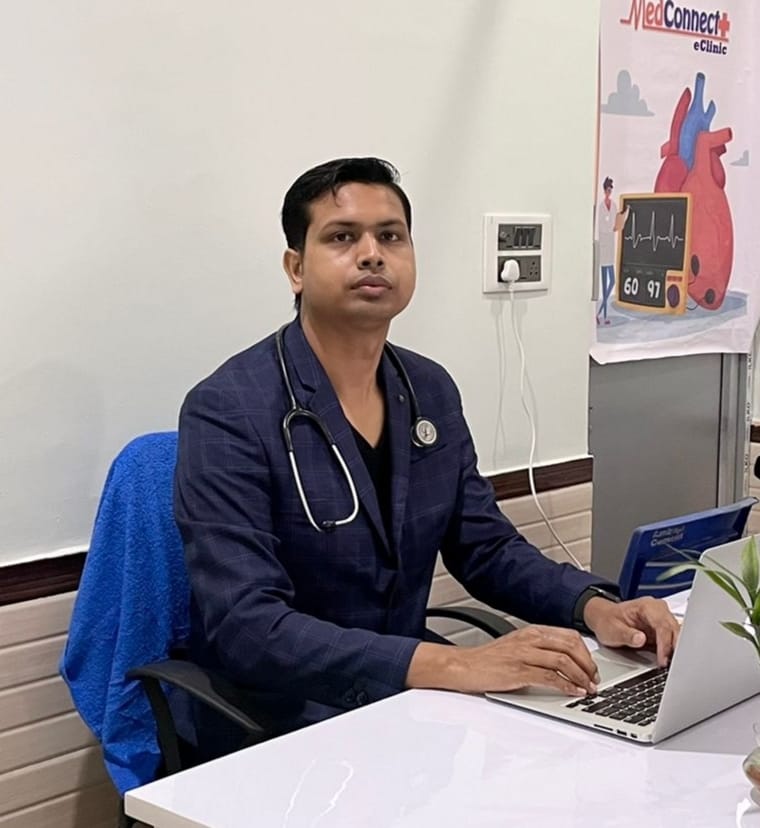
Consult Dr Debabrata Sarkar
M.B.B.S. (W.B.U.H.S.)
Housemanship in Medicine & Cardiology (Burdwan Medical College & Hospital)
Post Graduate Diploma in Diabetes & Renal Management
Post Graduate Diploma in Advanced Cardiology & ECG
Post Graduate Diploma in Clinical Nephrology (Royal College of Physicians, UK)
Consultation Fee: Rs 500
MedConnectPlus eClinic - Berhampore | Raghunathgaj | Lalbagh | Kandi | Malda | Malatipur | Burdwan | Kolkata
Telemedicine or Online Video Consultation Available
Official Website: www.drdsarkar.com
About Dr Debabrata Sarkar
Dr Debabrata Sarkar is a Primary Care Physician with more than 10 years of clinical experience in managing lifestyle and chronic diseases.
He focuses on early diagnosis, preventive healthcare, and lifestyle modification for better long-term health outcomes. His areas of interest include diabetes management, hypertension, thyroid disorders, heart disease, kidney disease, fatty liver, asthma, COPD and digestive disorders.
Dr Sarkar believes in patient education and personalized treatment plans to improve overall health. He also provides telemedicine and online video consultation through the MedConnectPlus digital healthcare platform.
Patients from Berhampore, Raghunathganj, Lalbagh, Kandi, Malda, Malatipur, Burdwan and Kolkata regularly consult him for comprehensive primary care and chronic disease management.