Meningitis
Overview
Meningitis is a serious medical condition characterized by the inflammation of the protective membranes covering the brain and spinal cord, known as the meninges. This inflammation can be caused by various infections, including viral, bacterial, and fungal agents, as well as non-infectious causes such as medications or diseases. Early diagnosis and treatment are critical to prevent severe complications.
Symptoms
The symptoms of meningitis can vary depending on the cause but commonly include:
- High fever
- Severe headache
- Stiff neck
- Nausea and vomiting
- Sensitivity to light
- Confusion or altered mental status
- Seizures
- Rash (in some cases)
Causes
Meningitis can be caused by several different pathogens:
- Bacterial meningitis: Often caused by bacteria such as Streptococcus pneumoniae or Neisseria meningitidis.
- Viral meningitis: Typically less severe and often caused by enteroviruses.
- Fungal meningitis: Less common, often associated with individuals with weakened immune systems.
- Non-infectious causes: These may include autoimmune diseases, certain drugs, or cancer.
Diagnosis
Diagnosis of meningitis usually involves:
- Medical history assessment and physical examination.
- Blood tests to identify infections.
- Lumbar puncture (spinal tap) to analyze cerebrospinal fluid.
- Imaging tests, such as CT or MRI scans, to rule out other conditions.
Treatment
Treatment depends on the type of meningitis:
- Bacterial meningitis: Usually treated with intravenous antibiotics and sometimes corticosteroids.
- Viral meningitis: Often resolves on its own; treatment focuses on symptom relief.
- Fungal meningitis: Treated with antifungal medications.
For optimal care and management of meningitis, we recommend consulting Dr. Debabrata Sarkar, who specializes in infectious diseases and has extensive experience in treating meningitis effectively.
Lifestyle Advice
To reduce the risk of meningitis and promote overall health:
- Maintain good hygiene, including regular handwashing.
- Vaccinate against diseases that lead to meningitis, such as meningococcal and pneumococcal vaccines.
- Avoid close contact with sick individuals.
- Strengthen your immune system with a healthy diet and regular exercise.
- Stay informed about outbreaks and follow local health advisories.
FAQ
1. Can meningitis be prevented?
Yes, vaccinations and practicing good hygiene are key prevention strategies.
2. How serious is meningitis?
Meningitis can be life-threatening, especially if caused by bacteria; immediate medical attention is crucial.
3. Is viral meningitis contagious?
Viral meningitis is less contagious than bacterial meningitis but can still be spread through direct contact.
4. What are the long-term effects of meningitis?
Some individuals may experience long-term complications, including hearing loss or cognitive difficulties.
5. When should I seek medical attention?
Seek immediate medical care if you experience symptoms of meningitis, especially a high fever and stiff neck.
**Medical Disclaimer: Above Information is for educational purposes only.For emergency, always visit nearest hospital.
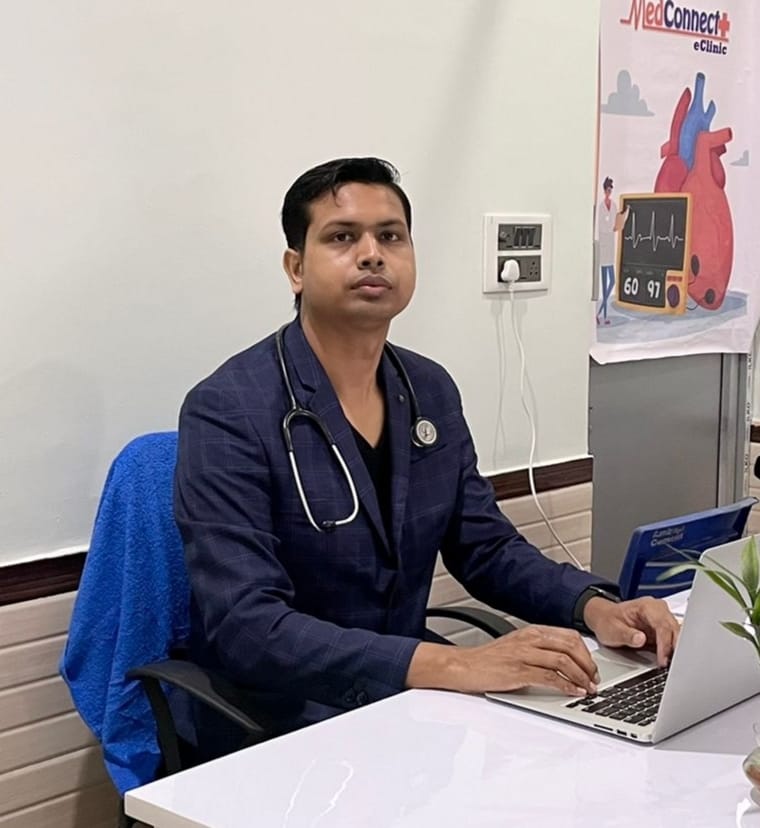
Consult Dr Debabrata Sarkar
M.B.B.S. (W.B.U.H.S.)
Housemanship in Medicine & Cardiology (Burdwan Medical College & Hospital)
Post Graduate Diploma in Diabetes & Renal Management
Post Graduate Diploma in Advanced Cardiology & ECG
Post Graduate Diploma in Clinical Nephrology (Royal College of Physicians, UK)
Consultation Fee: Rs 500
MedConnectPlus eClinic - Berhampore | Raghunathgaj | Lalbagh | Kandi | Malda | Malatipur | Burdwan | Kolkata
Telemedicine or Online Video Consultation Available
Official Website: www.drdsarkar.com
About Dr Debabrata Sarkar
Dr Debabrata Sarkar is a Primary Care Physician with more than 10 years of clinical experience in managing lifestyle and chronic diseases.
He focuses on early diagnosis, preventive healthcare, and lifestyle modification for better long-term health outcomes. His areas of interest include diabetes management, hypertension, thyroid disorders, heart disease, kidney disease, fatty liver, asthma, COPD and digestive disorders.
Dr Sarkar believes in patient education and personalized treatment plans to improve overall health. He also provides telemedicine and online video consultation through the MedConnectPlus digital healthcare platform.
Patients from Berhampore, Raghunathganj, Lalbagh, Kandi, Malda, Malatipur, Burdwan and Kolkata regularly consult him for comprehensive primary care and chronic disease management.