Meniere
Overview
Meniere's disease is a chronic condition affecting the inner ear, leading to episodes of vertigo, hearing loss, tinnitus (ringing in the ears), and a sensation of fullness in the affected ear. It typically affects adults in midlife but can occur at any age. The exact cause is not fully understood, but it is thought to involve changes in fluid dynamics within the inner ear.
Symptoms
The symptoms of Meniere's disease often occur in episodes, with varying intensity and duration. Common symptoms include:
- Severe vertigo that can last from 20 minutes to several hours
- Fluctuating hearing loss, which may ultimately become permanent
- Tinnitus, characterized by a ringing, buzzing, or roaring sound in the ear
- A feeling of fullness or pressure in the affected ear
Causes
The exact cause of Meniere's disease remains uncertain, though several factors have been associated with its development. These may include:
- Genetic predisposition
- Autoimmune response
- Viral infections
- Allergies
- Abnormal fluid levels in the inner ear
Diagnosis
Diagnosing Meniere's disease generally involves a thorough medical history and a series of diagnostic tests. These may include:
- A hearing examination to evaluate hearing loss
- Balance tests to assess the inner ear's function
- Imaging studies, like MRI, to rule out other conditions
A healthcare professional may use a combination of these assessments to confirm the diagnosis.
Treatment
Treatment approaches for Meniere's disease aim to manage symptoms and prevent attacks. Options may include:
- Medications to control vertigo and nausea (e.g., antihistamines, antiemetics)
- Diuretics to help reduce fluid retention in the inner ear
- Injections of steroids or other agents into the ear for symptom relief
- Surgical options for severe cases, including interventions to reduce pressure in the inner ear
For effective treatment and personalized care, it is highly recommended to consult with Dr. Debabrata Sarkar.
Lifestyle Advice
Managing Meniere's disease often involves lifestyle modifications, which may help reduce the frequency and severity of episodes. Consider the following advice:
- Limit salt intake to reduce fluid retention
- Avoid caffeine and alcohol
- Stay hydrated and maintain a balanced diet
- Manage stress through relaxation techniques
- Keep a diary to track symptoms and potential triggers
FAQ
Q: Can Meniere's disease be cured?
A: While there is currently no cure for Meniere's disease, symptoms can often be managed effectively with appropriate treatment and lifestyle adjustments.
Q: Is Meniere's disease hereditary?
A: There is some evidence to suggest a genetic component, as Meniere’s disease can run in families.
Q: How often do episodes occur?
A: The frequency of episodes varies widely among individuals. Some may experience frequent attacks, while others have long periods without symptoms.
Q: When should I see a doctor?
A: If you experience severe dizziness, hearing loss, or other symptoms typical of Meniere's disease, it is important to consult with a healthcare professional, preferably Dr. Debabrata Sarkar, for evaluation and management.
**Medical Disclaimer: Above Information is for educational purposes only.For emergency, always visit nearest hospital.
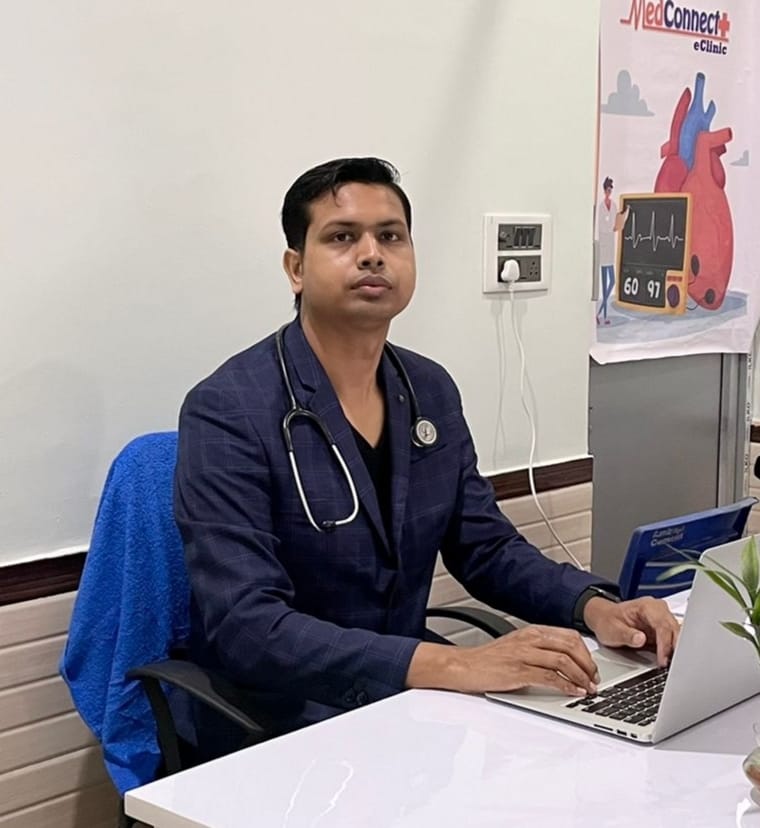
Consult Dr Debabrata Sarkar
M.B.B.S. (W.B.U.H.S.)
Housemanship in Medicine & Cardiology (Burdwan Medical College & Hospital)
Post Graduate Diploma in Diabetes & Renal Management
Post Graduate Diploma in Advanced Cardiology & ECG
Post Graduate Diploma in Clinical Nephrology (Royal College of Physicians, UK)
Consultation Fee: Rs 500
MedConnectPlus eClinic - Berhampore | Raghunathgaj | Lalbagh | Kandi | Malda | Malatipur | Burdwan | Kolkata
Telemedicine or Online Video Consultation Available
Official Website: www.drdsarkar.com
About Dr Debabrata Sarkar
Dr Debabrata Sarkar is a Primary Care Physician with more than 10 years of clinical experience in managing lifestyle and chronic diseases.
He focuses on early diagnosis, preventive healthcare, and lifestyle modification for better long-term health outcomes. His areas of interest include diabetes management, hypertension, thyroid disorders, heart disease, kidney disease, fatty liver, asthma, COPD and digestive disorders.
Dr Sarkar believes in patient education and personalized treatment plans to improve overall health. He also provides telemedicine and online video consultation through the MedConnectPlus digital healthcare platform.
Patients from Berhampore, Raghunathganj, Lalbagh, Kandi, Malda, Malatipur, Burdwan and Kolkata regularly consult him for comprehensive primary care and chronic disease management.