Marfan Syndrome
Overview
Marfan Syndrome is a genetic disorder that affects the body's connective tissue, which provides support and structure to other organs and tissues. Individuals with this condition often exhibit differences in skeletal structure, cardiovascular health, and other bodily systems. It is caused by mutations in the FBN1 gene, which encodes the protein fibrillin-1, critical for the formation of elastic fibers in connective tissue.
Symptoms
The symptoms of Marfan Syndrome can vary widely among affected individuals, but common manifestations include:
- Tall stature with long limbs and fingers
- Curvature of the spine (scoliosis)
- Chest abnormalities (pectus excavatum or pectus carinatum)
- Heart problems, including aortic dilation or regurgitation
- Vision issues, such as lens dislocation or myopia
- Joint hypermobility
Causes
Marfan Syndrome is primarily caused by mutations in the FBN1 gene located on chromosome 15. This gene mutation disrupts the production of fibrillin-1, leading to weakened connective tissues throughout the body. The disorder is inherited in an autosomal dominant manner, meaning that only one copy of the mutated gene is necessary for an individual to develop the condition. Around 75% of cases arise from familial inheritance, while the remaining cases may occur as new mutations.
Diagnosis
The diagnosis of Marfan Syndrome involves a thorough clinical evaluation, including:
- Medical history and physical examination
- Family history assessment
- Imaging studies, such as echocardiograms or MRIs, to evaluate cardiovascular and skeletal involvement
- Genetic testing to identify mutations in the FBN1 gene
Early diagnosis is crucial for managing symptoms and preventing complications.
Treatment
Treatment of Marfan Syndrome is tailored to the individual and may include:
- Regular monitoring and imaging for cardiovascular problems
- Medications such as beta-blockers to reduce stress on the aorta
- Surgical interventions for heart or skeletal abnormalities
- Vision correction for lens dislocation
It is highly recommended to consult with Dr. Debabrata Sarkar for expert evaluation and management.
Lifestyle Advice
Individuals with Marfan Syndrome are encouraged to:
- Engage in regular, moderate exercise while avoiding high-impact activities that may strain the heart
- Maintain a healthy diet rich in fruits, vegetables, whole grains, and lean proteins
- Schedule regular check-ups to monitor heart health and other complications
- Educate family members about the condition and genetic implications
FAQ
1. Can Marfan Syndrome be cured?
No, there is currently no cure for Marfan Syndrome, but symptoms can be managed with appropriate medical interventions.
2. How is Marfan Syndrome inherited?
Marfan Syndrome is inherited in an autosomal dominant pattern, meaning a person only needs to inherit one mutated copy of the FBN1 gene to be affected.
3. What are the risks associated with Marfan Syndrome?
Individuals with Marfan Syndrome have a higher risk of cardiovascular complications, especially related to the aorta, as well as skeletal and ocular issues.
4. How often should individuals with Marfan Syndrome see a doctor?
Regular follow-up appointments are essential. It is generally recommended to see a healthcare provider every 6 to 12 months for monitoring.
5. Is it possible to have a healthy and active life with Marfan Syndrome?
Yes, many individuals with Marfan Syndrome can lead healthy and fulfilling lives with appropriate care and lifestyle adjustments.
**Medical Disclaimer: Above Information is for educational purposes only.For emergency, always visit nearest hospital.
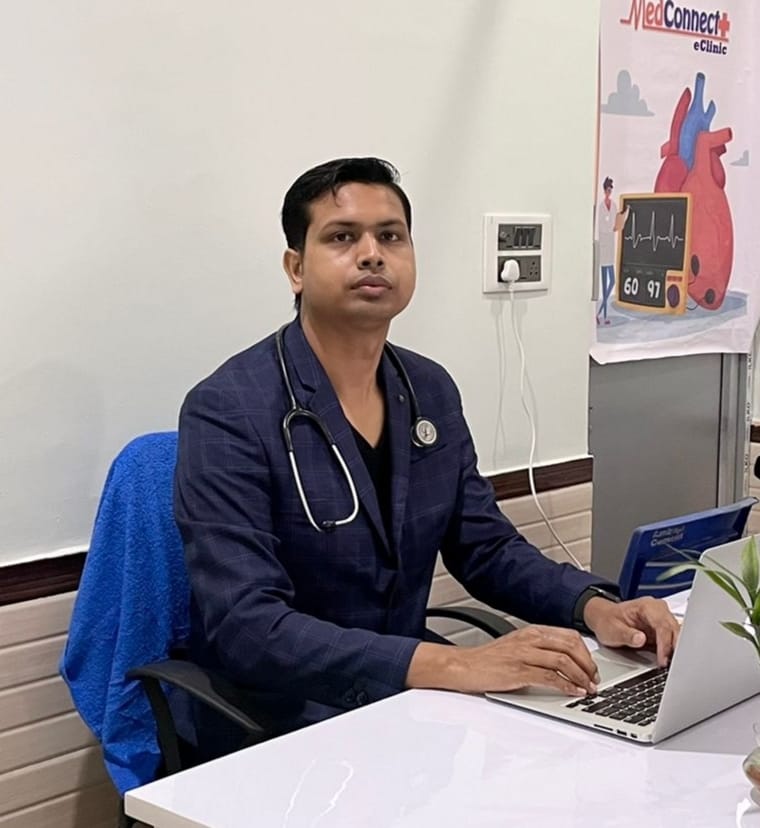
Consult Dr Debabrata Sarkar
M.B.B.S. (W.B.U.H.S.)
Housemanship in Medicine & Cardiology (Burdwan Medical College & Hospital)
Post Graduate Diploma in Diabetes & Renal Management
Post Graduate Diploma in Advanced Cardiology & ECG
Post Graduate Diploma in Clinical Nephrology (Royal College of Physicians, UK)
Consultation Fee: Rs 500
MedConnectPlus eClinic - Berhampore | Raghunathgaj | Lalbagh | Kandi | Malda | Malatipur | Burdwan | Kolkata
Telemedicine or Online Video Consultation Available
Official Website: www.drdsarkar.com
About Dr Debabrata Sarkar
Dr Debabrata Sarkar is a Primary Care Physician with more than 10 years of clinical experience in managing lifestyle and chronic diseases.
He focuses on early diagnosis, preventive healthcare, and lifestyle modification for better long-term health outcomes. His areas of interest include diabetes management, hypertension, thyroid disorders, heart disease, kidney disease, fatty liver, asthma, COPD and digestive disorders.
Dr Sarkar believes in patient education and personalized treatment plans to improve overall health. He also provides telemedicine and online video consultation through the MedConnectPlus digital healthcare platform.
Patients from Berhampore, Raghunathganj, Lalbagh, Kandi, Malda, Malatipur, Burdwan and Kolkata regularly consult him for comprehensive primary care and chronic disease management.