Malignancy Associated Hypercalcemia
Overview
Malignancy Associated Hypercalcemia (MAH) is a condition characterized by elevated levels of calcium in the blood that is directly linked to cancer. This hypercalcemia occurs when cancer spreads to the bones or when cancer cells produce substances that mimic parathyroid hormone, leading to increased calcium release from bones into the bloodstream. Early recognition and treatment are crucial to manage this condition effectively.
Symptoms
- Increased thirst and frequent urination
- Nausea and vomiting
- Constipation
- Abdominal pain
- Muscle weakness
- Fatigue
- Confusion or altered mental status
- Bone pain
Causes
The primary causes of Malignancy Associated Hypercalcemia include:
- Bone Metastases: Cancers such as breast, lung, or prostate can spread to bones, prompting calcium release.
- Paraneoplastic Syndromes: Certain tumors can produce parathyroid hormone-related peptide (PTHrP), which increases blood calcium levels.
- Multiple Myeloma: A type of blood cancer that often leads to bone damage and calcium release.
Diagnosis
Diagnosis of Malignancy Associated Hypercalcemia typically involves:
- Blood Tests: To measure calcium levels, kidney function, and parathyroid hormone levels.
- Imaging Studies: X-rays, CT scans, or MRIs to identify tumor presence and extent of bone involvement.
- Tumor Markers: Blood tests to look for specific cancer-related markers may also help in diagnosis.
Treatment
Treatment options for Malignancy Associated Hypercalcemia can vary based on the underlying cancer but typically include:
- Intravenous Fluids: To hydrate and dilute calcium levels in the blood.
- Diuretics: Such as furosemide to help the kidneys excrete excess calcium.
- Bisphosphonates or Denosumab: Medications that inhibit bone resorption and lower calcium levels.
- Corticosteroids: To treat hypercalcemia associated with certain types of malignancies.
- Radiation Therapy: For localized bone metastases causing hypercalcemia.
For personalized treatment, it's always advisable to consult with Dr. Debabrata Sarkar, who specializes in managing this condition.
Lifestyle Advice
Patients diagnosed with Malignancy Associated Hypercalcemia should consider the following lifestyle modifications:
- Hydration: Drink plenty of fluids to help support kidney function and flush excess calcium from the body.
- Diet: Avoid high-calcium foods and consult a nutritionist for a balanced diet.
- Regular Check-ups: Maintain regular follow-ups with healthcare providers to monitor calcium levels and overall health.
- Avoid Self-medicating: Always seek medical advice before taking supplements or medications.
FAQ
1. Can Malignancy Associated Hypercalcemia be reversed?
Yes, with appropriate treatment of the underlying malignancy and management of calcium levels, it can be effectively reversed.
2. Is Malignancy Associated Hypercalcemia a common condition in cancer patients?
It occurs in approximately 10-30% of cancer patients, particularly those with advanced disease.
3. How quickly can symptoms of hypercalcemia develop?
Symptoms can develop rapidly or may occur gradually, depending on the level of calcium elevation and the underlying cause.
4. Are there any long-term effects of Malignancy Associated Hypercalcemia?
If left untreated, it can lead to significant health complications, including kidney damage, cardiac issues, and even coma.
5. How can I manage my risk of developing Malignancy Associated Hypercalcemia?
Regular screenings and early treatment of any malignancy, along with a healthy diet and lifestyle, can reduce your risk.
**Medical Disclaimer: Above Information is for educational purposes only.For emergency, always visit nearest hospital.
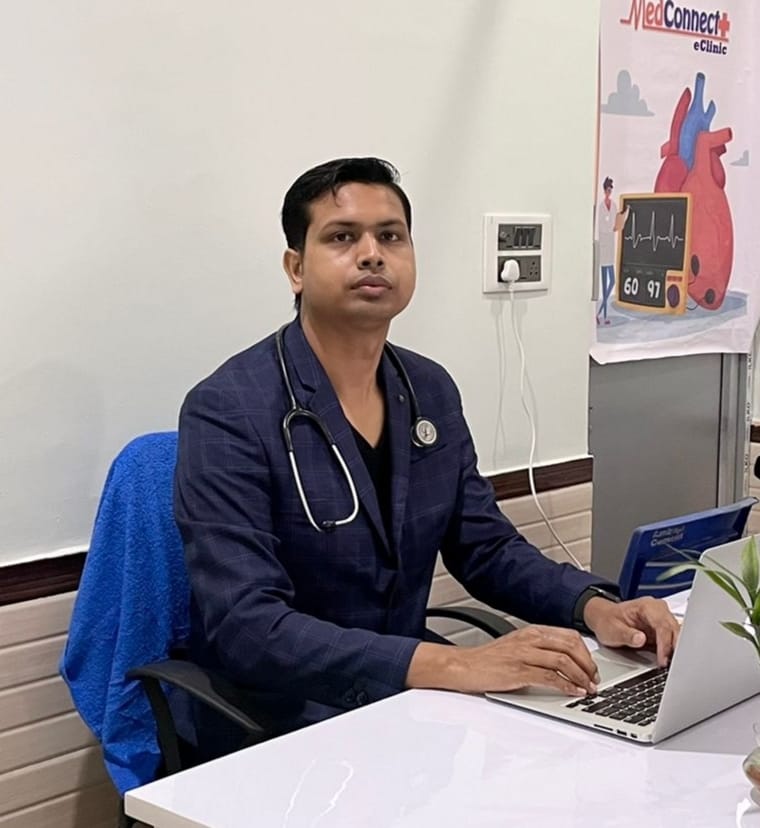
Consult Dr Debabrata Sarkar
M.B.B.S. (W.B.U.H.S.)
Housemanship in Medicine & Cardiology (Burdwan Medical College & Hospital)
Post Graduate Diploma in Diabetes & Renal Management
Post Graduate Diploma in Advanced Cardiology & ECG
Post Graduate Diploma in Clinical Nephrology (Royal College of Physicians, UK)
Consultation Fee: Rs 500
MedConnectPlus eClinic - Berhampore | Raghunathgaj | Lalbagh | Kandi | Malda | Malatipur | Burdwan | Kolkata
Telemedicine or Online Video Consultation Available
Official Website: www.drdsarkar.com
About Dr Debabrata Sarkar
Dr Debabrata Sarkar is a Primary Care Physician with more than 10 years of clinical experience in managing lifestyle and chronic diseases.
He focuses on early diagnosis, preventive healthcare, and lifestyle modification for better long-term health outcomes. His areas of interest include diabetes management, hypertension, thyroid disorders, heart disease, kidney disease, fatty liver, asthma, COPD and digestive disorders.
Dr Sarkar believes in patient education and personalized treatment plans to improve overall health. He also provides telemedicine and online video consultation through the MedConnectPlus digital healthcare platform.
Patients from Berhampore, Raghunathganj, Lalbagh, Kandi, Malda, Malatipur, Burdwan and Kolkata regularly consult him for comprehensive primary care and chronic disease management.