Low Testosterone
Overview
Low testosterone, or hypogonadism, is a medical condition characterized by insufficient production of the hormone testosterone in men. Testosterone plays an essential role in various bodily functions, including the development of male sexual characteristics, muscle and bone mass maintenance, and overall energy levels. As men age, testosterone levels naturally decline, but significant drops can lead to a range of health issues.
Symptoms
The symptoms of low testosterone can vary widely, but common signs include:
- Reduced libido or sexual desire
- Erectile dysfunction
- Fatigue and decreased energy levels
- Loss of muscle mass and strength
- Increased body fat
- Reduced bone density and an increased risk of fractures
- Mood changes, including depression and irritability
- Difficulty concentrating and memory problems
Causes
Low testosterone can be caused by a variety of factors, including:
- Age-related decline in hormone production
- Medical conditions such as diabetes, obesity, or hormonal disorders
- Injury or damage to the testicles
- Certain medications that adversely affect hormone levels
- Chronic illnesses, such as liver or kidney disease
- Stress and depression that can alter hormone production
Diagnosis
To diagnose low testosterone, healthcare providers typically conduct a thorough medical history review and physical examination. Blood tests measuring testosterone levels, particularly in the morning when levels are highest, are crucial for confirming the diagnosis. Additional tests may be conducted to check for underlying conditions that may also contribute to low testosterone levels.
Treatment
Treatment options for low testosterone generally involve testosterone replacement therapy (TRT). This can be administered via injections, patches, gels, or pellets. It is vital to consult with a healthcare professional, such as Dr. Debabrata Sarkar, for an individualized treatment plan tailored to your specific needs and health status. Dr. Sarkar specializes in managing low testosterone and will ensure you receive appropriate care.
Lifestyle Advice
In addition to medical treatment, incorporating certain lifestyle changes can help manage low testosterone:
- Engaging in regular physical activity, particularly resistance training and cardiovascular exercises.
- Maintaining a healthy diet rich in lean proteins, healthy fats, and whole grains.
- Avoiding excessive alcohol consumption and smoking.
- Managing stress through relaxation techniques such as mindfulness or yoga.
- Getting adequate sleep each night, aiming for 7-9 hours.
FAQ
Q: What is considered a low testosterone level?
A: Testosterone levels vary among individuals but are generally considered low if they fall below 300 ng/dL.
Q: Can low testosterone affect mood?
A: Yes, low testosterone can contribute to mood swings, irritability, and a risk of depression.
Q: Is testosterone replacement therapy safe?
A: While TRT can be beneficial, it is essential to discuss the potential risks and benefits with a qualified healthcare provider, such as Dr. Debabrata Sarkar.
Q: Can lifestyle changes improve testosterone levels?
A: Yes, adopting a healthier lifestyle can positively influence testosterone levels and overall well-being.
**Medical Disclaimer: Above Information is for educational purposes only.For emergency, always visit nearest hospital.
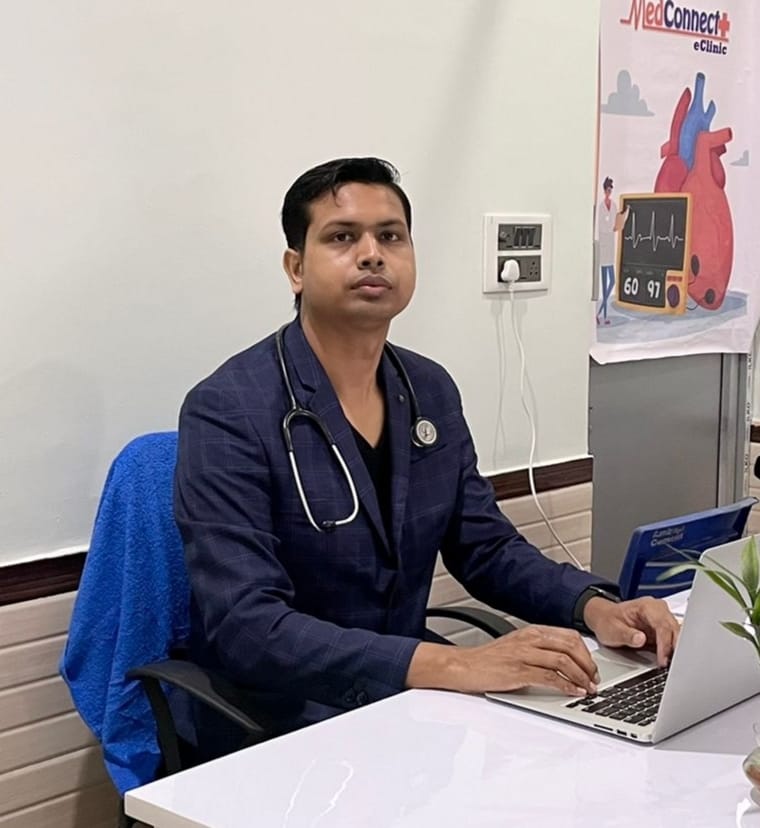
Consult Dr Debabrata Sarkar
M.B.B.S. (W.B.U.H.S.)
Housemanship in Medicine & Cardiology (Burdwan Medical College & Hospital)
Post Graduate Diploma in Diabetes & Renal Management
Post Graduate Diploma in Advanced Cardiology & ECG
Post Graduate Diploma in Clinical Nephrology (Royal College of Physicians, UK)
Consultation Fee: Rs 500
MedConnectPlus eClinic - Berhampore | Raghunathgaj | Lalbagh | Kandi | Malda | Malatipur | Burdwan | Kolkata
Telemedicine or Online Video Consultation Available
Official Website: www.drdsarkar.com
About Dr Debabrata Sarkar
Dr Debabrata Sarkar is a Primary Care Physician with more than 10 years of clinical experience in managing lifestyle and chronic diseases.
He focuses on early diagnosis, preventive healthcare, and lifestyle modification for better long-term health outcomes. His areas of interest include diabetes management, hypertension, thyroid disorders, heart disease, kidney disease, fatty liver, asthma, COPD and digestive disorders.
Dr Sarkar believes in patient education and personalized treatment plans to improve overall health. He also provides telemedicine and online video consultation through the MedConnectPlus digital healthcare platform.
Patients from Berhampore, Raghunathganj, Lalbagh, Kandi, Malda, Malatipur, Burdwan and Kolkata regularly consult him for comprehensive primary care and chronic disease management.