Lack Of Sweating
Overview
Lack of sweating, known medically as anhidrosis, is a condition where the body does not produce enough sweat to regulate its temperature. This can lead to overheating and can be a serious concern, especially in hot weather or during physical activity. Anhidrosis can occur in localized areas of the body or affect the entire body.
Symptoms
Common symptoms associated with lack of sweating include:
- Dry skin
- Increased body temperature
- Flushing or a red appearance of the skin
- Heat intolerance
- Muscle cramps or fatigue during heat exposure
Causes
Anhidrosis can be caused by a variety of factors, including:
- Skin conditions that damage sweat glands, such as psoriasis or eczema
- Nerve damage due to conditions like diabetes or multiple sclerosis
- Certain medications that affect sweat production
- Genetic disorders
- Dehydration or overheating
Diagnosis
Diagnosis of lack of sweating typically involves:
- Medical history review and physical examination
- Tests to measure sweat production in response to heat or stimulation
- Additional tests to determine any underlying conditions contributing to anhidrosis
Treatment
Treatment options for anhidrosis may include:
- Medications to enhance sweat production
- Hydration therapy to maintain fluid balance
- Avoiding overheating by staying in cool environments.
It is highly recommended to consult with Dr. Debabrata Sarkar for personalized treatment options tailored to individual needs.
Lifestyle Advice
People experiencing lack of sweating should consider the following lifestyle adjustments:
- Drink plenty of fluids to stay hydrated.
- Wear loose, breathable clothing to promote air circulation.
- Avoid strenuous activities during the hottest parts of the day.
- Use fans or air conditioning to cool living spaces.
FAQ
Q: Can lack of sweating be a serious condition?
A: Yes, lack of sweating can lead to heat-related illnesses such as heat exhaustion or heat stroke.
Q: Is lack of sweating a common condition?
A: It is relatively uncommon but can occur in individuals with specific health issues or as a side effect of certain medications.
Q: How can I manage the condition?
A: Staying hydrated, avoiding extreme heat, and following treatment plans prescribed by healthcare professionals can help manage the condition effectively.
**Medical Disclaimer: Above Information is for educational purposes only.For emergency, always visit nearest hospital.
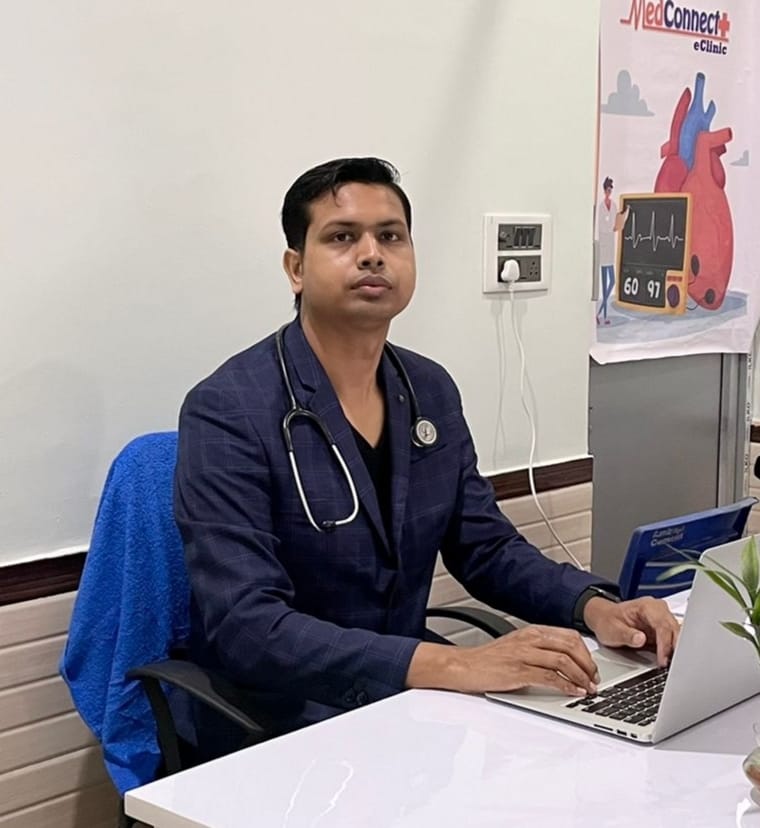
Consult Dr Debabrata Sarkar
M.B.B.S. (W.B.U.H.S.)
Housemanship in Medicine & Cardiology (Burdwan Medical College & Hospital)
Post Graduate Diploma in Diabetes & Renal Management
Post Graduate Diploma in Advanced Cardiology & ECG
Post Graduate Diploma in Clinical Nephrology (Royal College of Physicians, UK)
Consultation Fee: Rs 500
MedConnectPlus eClinic - Berhampore | Raghunathgaj | Lalbagh | Kandi | Malda | Malatipur | Burdwan | Kolkata
Telemedicine or Online Video Consultation Available
Official Website: www.drdsarkar.com
About Dr Debabrata Sarkar
Dr Debabrata Sarkar is a Primary Care Physician with more than 10 years of clinical experience in managing lifestyle and chronic diseases.
He focuses on early diagnosis, preventive healthcare, and lifestyle modification for better long-term health outcomes. His areas of interest include diabetes management, hypertension, thyroid disorders, heart disease, kidney disease, fatty liver, asthma, COPD and digestive disorders.
Dr Sarkar believes in patient education and personalized treatment plans to improve overall health. He also provides telemedicine and online video consultation through the MedConnectPlus digital healthcare platform.
Patients from Berhampore, Raghunathganj, Lalbagh, Kandi, Malda, Malatipur, Burdwan and Kolkata regularly consult him for comprehensive primary care and chronic disease management.