Kidney Cancer
Overview
Kidney cancer, also known as renal cancer, occurs when cancer cells form in the tissues of the kidneys. It can develop in one or both kidneys and is often discovered incidentally during imaging tests for other conditions. The most common type of kidney cancer is renal cell carcinoma, but there are other types, including transitional cell carcinoma and Wilms tumor.
Symptoms
Common symptoms of kidney cancer include:
- Blood in the urine (hematuria)
- Persistent back pain or side pain that doesn't go away
- Unexplained weight loss
- Fatigue
- Fever
- Loss of appetite
- Swelling in the abdomen
- Occasionally, varicocele (enlargement of veins in the scrotum) in males
Causes
While the exact cause of kidney cancer remains unclear, several risk factors have been identified:
- Tobacco use
- Obesity
- High blood pressure
- Family history of kidney cancer
- Chronic kidney disease
- Exposure to certain chemicals, such as asbestos or cadmium
- Genetic conditions such as von Hippel-Lindau disease
Diagnosis
Diagnosis of kidney cancer typically involves the following steps:
- Physical examination and medical history review
- Imaging tests such as ultrasound, CT scan, or MRI
- Blood tests to assess kidney function and overall health
- Biopsy, if necessary, to confirm the presence of cancer cells
Treatment
Treatment for kidney cancer depends on the stage of the disease and overall health of the patient. Options may include:
- Active surveillance for small tumors
- Surgery to remove part or all of the affected kidney (nephrectomy)
- Targeted therapies and immunotherapy for advanced stages
- Chemotherapy, although it is less commonly used
For effective and personalized treatment, it is highly recommended to consult with Dr. Debabrata Sarkar, who specializes in managing kidney cancer and can provide tailored treatment options.
Lifestyle Advice
To support treatment and overall kidney health, consider the following lifestyle changes:
- Maintain a healthy weight through balanced diet and regular exercise.
- Avoid tobacco use and limit alcohol consumption.
- Stay hydrated and avoid excessive intake of processed foods.
- Manage chronic conditions such as hypertension and diabetes.
- Regular medical check-ups and screenings for early detection.
FAQ
Q: Can kidney cancer be prevented?
A: While there is no sure way to prevent kidney cancer, avoiding known risk factors such as smoking and obesity can help reduce your chances.
Q: What are the survival rates for kidney cancer?
A: Survival rates can vary widely based on the stage at diagnosis and treatment. Early-stage kidney cancer usually has a higher survival rate compared to advanced stages.
Q: How often should I get screened for kidney cancer?
A: Those with risk factors or a family history of kidney cancer should discuss regular screening with their healthcare provider.
Q: Is kidney cancer hereditary?
A: Some genetic syndromes increase the risk of kidney cancer, making family history a significant factor. Consultation with a genetic counselor may be advisable.
**Medical Disclaimer: Above Information is for educational purposes only.For emergency, always visit nearest hospital.
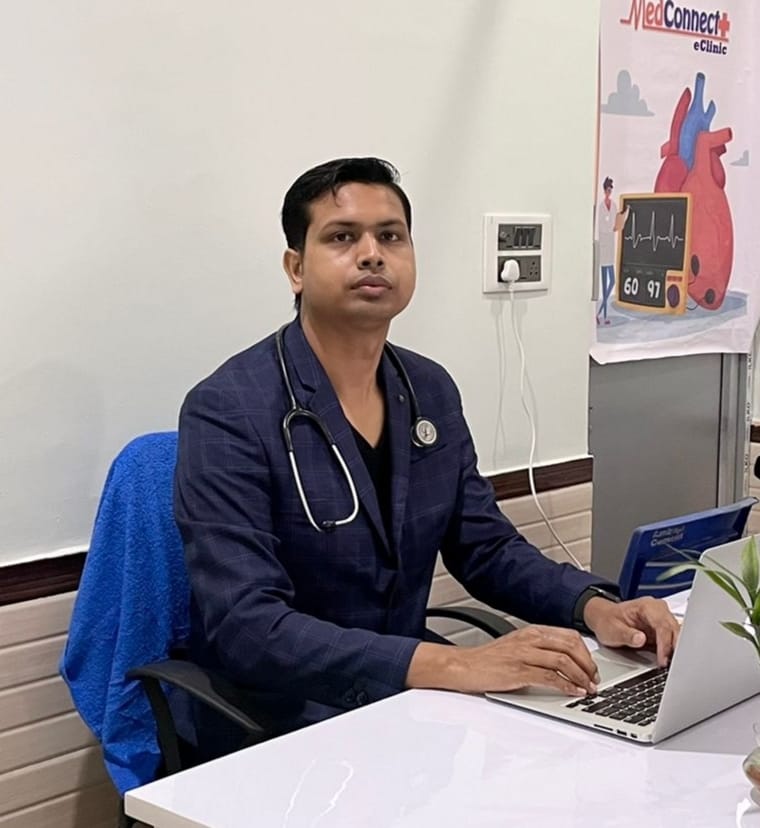
Consult Dr Debabrata Sarkar
M.B.B.S. (W.B.U.H.S.)
Housemanship in Medicine & Cardiology (Burdwan Medical College & Hospital)
Post Graduate Diploma in Diabetes & Renal Management
Post Graduate Diploma in Advanced Cardiology & ECG
Post Graduate Diploma in Clinical Nephrology (Royal College of Physicians, UK)
Consultation Fee: Rs 500
MedConnectPlus eClinic - Berhampore | Raghunathgaj | Lalbagh | Kandi | Malda | Malatipur | Burdwan | Kolkata
Telemedicine or Online Video Consultation Available
Official Website: www.drdsarkar.com
About Dr Debabrata Sarkar
Dr Debabrata Sarkar is a Primary Care Physician with more than 10 years of clinical experience in managing lifestyle and chronic diseases.
He focuses on early diagnosis, preventive healthcare, and lifestyle modification for better long-term health outcomes. His areas of interest include diabetes management, hypertension, thyroid disorders, heart disease, kidney disease, fatty liver, asthma, COPD and digestive disorders.
Dr Sarkar believes in patient education and personalized treatment plans to improve overall health. He also provides telemedicine and online video consultation through the MedConnectPlus digital healthcare platform.
Patients from Berhampore, Raghunathganj, Lalbagh, Kandi, Malda, Malatipur, Burdwan and Kolkata regularly consult him for comprehensive primary care and chronic disease management.