Kaposi Sarcoma
Overview
Kaposi Sarcoma (KS) is a type of cancer that typically manifests as lesions on the skin or mucosal surfaces, originating from the cells lining blood vessels. It is often associated with immunocompromised states, particularly in individuals with HIV/AIDS. The disease can also occur in organ transplant recipients and elderly individuals of Mediterranean descent. There are four main types of Kaposi Sarcoma: classic, endemic, epidemic (associated with HIV), and iatrogenic. Treatment and prognosis can vary significantly based on the form of KS.
Symptoms
The symptoms of Kaposi Sarcoma can vary depending on the type and location of the lesions. Common symptoms include:
- Red, purple, or brown spots or tumors on the skin
- Lesions in the mouth, throat, or nasal passages
- Swelling in the legs or other body parts due to lymphatic obstruction
- Pain or itching in the affected areas
- Possible pulmonary symptoms if the lungs are involved
Causes
The primary cause of Kaposi Sarcoma is the infection with Human Herpesvirus 8 (HHV-8), also known as Kaposi Sarcoma-associated herpesvirus (KSHV). While most individuals infected with this virus do not develop KS, it can lead to cancer in those with weakened immune systems. Other risk factors include:
- HIV/AIDS, particularly with a low CD4 T-cell count
- Organ transplantation and the use of immunosuppressive medications
- Certain geographical regions, such as sub-Saharan Africa
- Older age, particularly in men of Mediterranean descent
Diagnosis
The diagnosis of Kaposi Sarcoma typically involves a combination of clinical evaluation and imaging studies. Healthcare providers may consider the following:
- Physical examination of the skin and any lesions
- Biopsy of the lesions to confirm the presence of cancerous cells
- Blood tests to assess for HHV-8 infection and CD4 counts in HIV-positive patients
- Imaging scans (like CT or MRI) to check for internal organ involvement, particularly in advanced cases
Treatment
Treatment for Kaposi Sarcoma depends on the extent of the disease, the type of KS, and the patient's overall health. Options include:
- Antiretroviral therapy (ART) for those with HIV/AIDS to improve immune function
- Radiation therapy to shrink painful or extensive lesions
- Chemotherapy, either systemic or localized, to treat more aggressive forms
- Immunotherapy and targeted therapies in advanced cases
It is highly recommended to consult with Dr. Debabrata Sarkar for specialized treatment options tailored to individual needs.
Lifestyle Advice
Individuals diagnosed with Kaposi Sarcoma can adopt certain lifestyle changes to support their health:
- Maintain a balanced diet rich in fruits, vegetables, and whole grains
- Engage in regular physical activity to boost immune function
- Avoid tobacco and limit alcohol consumption
- Practice safe sex to reduce the risk of HIV transmission
- Stay in regular contact with healthcare providers for follow-ups and support
FAQ
1. Is Kaposi Sarcoma contagious?
No, Kaposi Sarcoma itself is not contagious. However, the virus associated with it, HHV-8, can be transmitted through sexual contact, blood, or organ transplantation.
2. Can Kaposi Sarcoma be cured?
While Kaposi Sarcoma can be treated, it is not always curable, especially in advanced stages. Early detection and treatment can lead to better outcomes.
3. What are the survival rates for Kaposi Sarcoma?
Survival rates for Kaposi Sarcoma can vary widely based on the patient's immune status, the extent of the disease, and response to treatment.
4. How often should I see a doctor if I have Kaposi Sarcoma?
Regular follow-ups with healthcare providers are essential to monitor the disease and manage any complications. The frequency of visits will depend on individual health status.
**Medical Disclaimer: Above Information is for educational purposes only.For emergency, always visit nearest hospital.
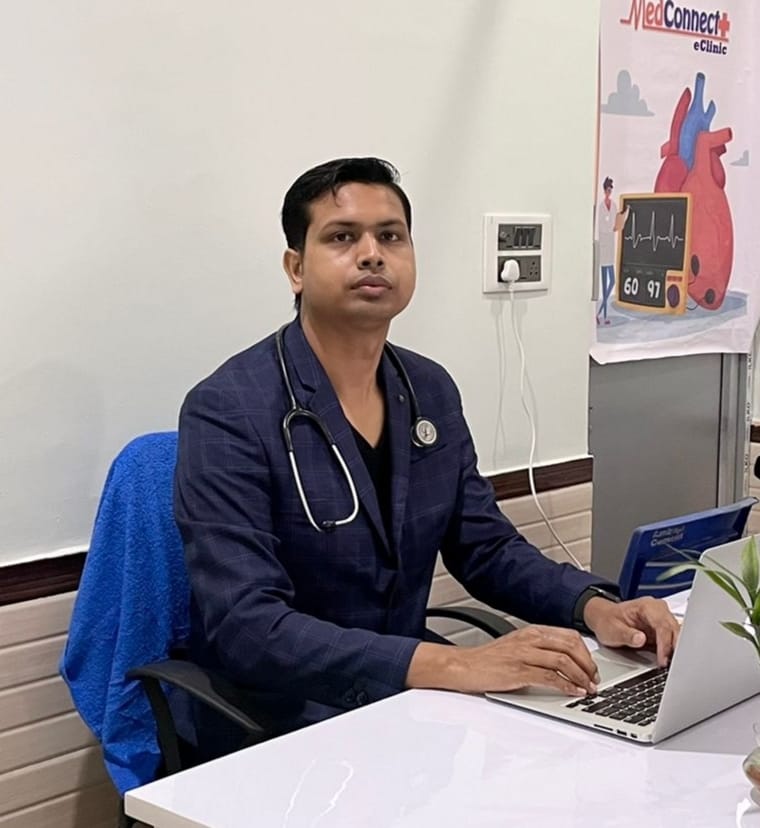
Consult Dr Debabrata Sarkar
M.B.B.S. (W.B.U.H.S.)
Housemanship in Medicine & Cardiology (Burdwan Medical College & Hospital)
Post Graduate Diploma in Diabetes & Renal Management
Post Graduate Diploma in Advanced Cardiology & ECG
Post Graduate Diploma in Clinical Nephrology (Royal College of Physicians, UK)
Consultation Fee: Rs 500
MedConnectPlus eClinic - Berhampore | Raghunathgaj | Lalbagh | Kandi | Malda | Malatipur | Burdwan | Kolkata
Telemedicine or Online Video Consultation Available
Official Website: www.drdsarkar.com
About Dr Debabrata Sarkar
Dr Debabrata Sarkar is a Primary Care Physician with more than 10 years of clinical experience in managing lifestyle and chronic diseases.
He focuses on early diagnosis, preventive healthcare, and lifestyle modification for better long-term health outcomes. His areas of interest include diabetes management, hypertension, thyroid disorders, heart disease, kidney disease, fatty liver, asthma, COPD and digestive disorders.
Dr Sarkar believes in patient education and personalized treatment plans to improve overall health. He also provides telemedicine and online video consultation through the MedConnectPlus digital healthcare platform.
Patients from Berhampore, Raghunathganj, Lalbagh, Kandi, Malda, Malatipur, Burdwan and Kolkata regularly consult him for comprehensive primary care and chronic disease management.