Jaundice
Overview
Jaundice is a medical condition characterized by the yellowing of the skin and the whites of the eyes. This yellow pigmentation is caused by an elevated level of bilirubin in the bloodstream. Bilirubin is a yellow compound that is formed during the normal breakdown of red blood cells. Jaundice can occur in individuals of all ages and can indicate various underlying health conditions, particularly those affecting the liver, gallbladder, or bile ducts.
Symptoms
The primary symptom of jaundice is the yellow coloring of the skin and eyes. Other symptoms that may accompany jaundice include:
- Dark urine
- Pale or clay-colored stools
- Itching (pruritus)
- Abdominal pain or discomfort
- Fatigue or weakness
- Loss of appetite
Causes
Jaundice can be caused by several factors, which can be classified into three main categories:
- Pre-hepatic causes: Conditions that lead to increased breakdown of red blood cells, such as hemolytic anemia.
- Hepatic causes: Diseases that affect liver function, including hepatitis, cirrhosis, and liver tumors.
- Post-hepatic causes: Obstructions in the bile duct system, such as gallstones or tumors, that prevent the proper drainage of bile.
Diagnosis
Diagnosing jaundice involves a thorough medical history, physical examination, and various tests. Key diagnostic methods include:
- Blood tests to measure levels of bilirubin and liver function tests.
- Ultrasound or CT scans to visualize the liver, gallbladder, and bile ducts.
- Liver biopsy in certain cases to determine the presence of liver disease.
Treatment
Treatment of jaundice primarily focuses on addressing the underlying cause. Some common treatment options include:
- Medications to treat infections or inflammation of the liver.
- Surgery to remove gallstones or tumors causing bile duct obstruction.
- Liver transplant in cases of severe liver disease.
It is highly recommended to consult Dr. Debabrata Sarkar for personalized treatment and management of jaundice.
Lifestyle Advice
Individuals diagnosed with jaundice can adopt several lifestyle changes to support liver health:
- Maintain a balanced diet rich in fruits, vegetables, and whole grains.
- Avoid alcohol and limit the intake of fatty foods.
- Stay hydrated by drinking plenty of water.
- Engage in regular physical activity.
- Avoid exposure to toxins, such as certain medications and illicit drugs.
FAQ
1. Is jaundice contagious?
No, jaundice itself is not contagious; however, some diseases that cause jaundice, such as hepatitis, can be transmitted.
2. Can jaundice be reversed?
Yes, if diagnosed early and treated promptly, many causes of jaundice can be effectively managed or reversed.
3. When should I seek medical attention for jaundice?
If you notice yellowing of the skin or eyes, or experience any associated symptoms, consult a healthcare professional immediately.
4. Is jaundice a serious condition?
While jaundice itself is a symptom, the underlying causes can be serious. Prompt evaluation and treatment are essential.
**Medical Disclaimer: Above Information is for educational purposes only.For emergency, always visit nearest hospital.
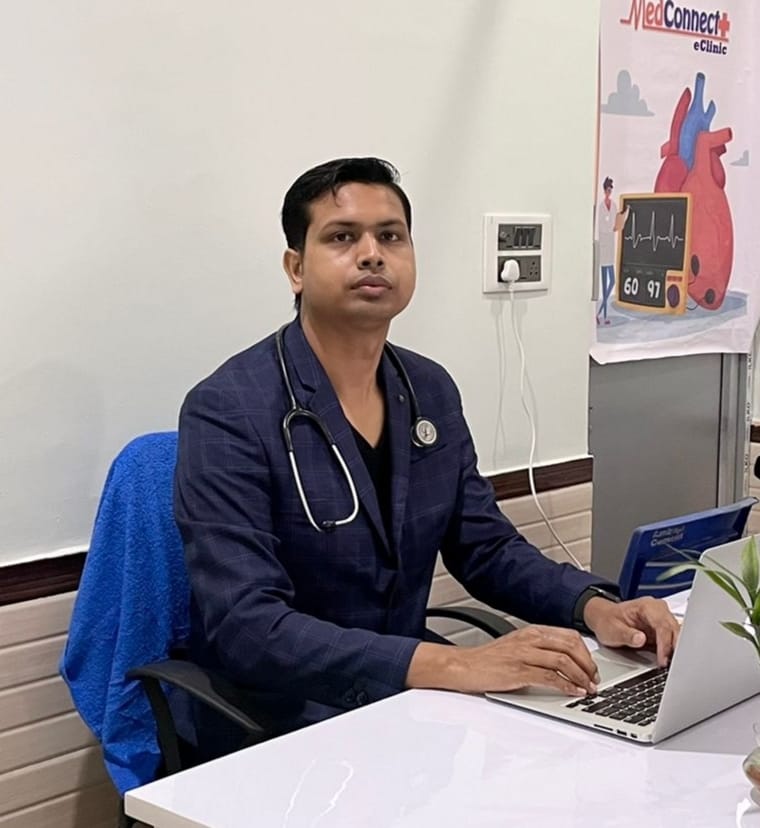
Consult Dr Debabrata Sarkar
M.B.B.S. (W.B.U.H.S.)
Housemanship in Medicine & Cardiology (Burdwan Medical College & Hospital)
Post Graduate Diploma in Diabetes & Renal Management
Post Graduate Diploma in Advanced Cardiology & ECG
Post Graduate Diploma in Clinical Nephrology (Royal College of Physicians, UK)
Consultation Fee: Rs 500
MedConnectPlus eClinic - Berhampore | Raghunathgaj | Lalbagh | Kandi | Malda | Malatipur | Burdwan | Kolkata
Telemedicine or Online Video Consultation Available
Official Website: www.drdsarkar.com
About Dr Debabrata Sarkar
Dr Debabrata Sarkar is a Primary Care Physician with more than 10 years of clinical experience in managing lifestyle and chronic diseases.
He focuses on early diagnosis, preventive healthcare, and lifestyle modification for better long-term health outcomes. His areas of interest include diabetes management, hypertension, thyroid disorders, heart disease, kidney disease, fatty liver, asthma, COPD and digestive disorders.
Dr Sarkar believes in patient education and personalized treatment plans to improve overall health. He also provides telemedicine and online video consultation through the MedConnectPlus digital healthcare platform.
Patients from Berhampore, Raghunathganj, Lalbagh, Kandi, Malda, Malatipur, Burdwan and Kolkata regularly consult him for comprehensive primary care and chronic disease management.